


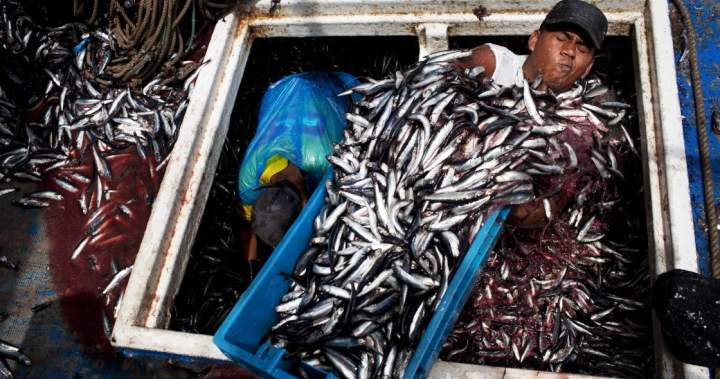
Canadian shoppers may soon notice higher prices at the seafood counter, and the culprit might surprise you: anchovies. These small, often overlooked fish play a crucial role in the global food supply chain, serving as a primary ingredient in fishmeal used to feed farmed salmon, pigs, and poultry.
The numbers paint a concerning picture for household budgets. Fish prices in Canada already climbed approximately four percent in May compared to the previous year, according to Statistics Canada. Canned salmon saw an even more dramatic increase, jumping 14.3 percent over the same period. Meanwhile, Peruvian fishmeal prices have surged 13 percent in just one month, reaching nearly US$2,400 per metric tonne by the end of May.
University of Guelph food economist Mike von Massow emphasizes that anchovies are far more important than most consumers realize. Roughly two-thirds of the fish available at grocery stores, including popular choices like salmon, comes from farms that rely on fishmeal as their primary feed source. This makes the tiny anchovy a critical link in getting protein to dinner tables across the country.
Peru, which supplies approximately one-fifth of the world’s anchovies, has been forced to implement strict fishing quotas to address overfishing concerns. In April, Peruvian authorities announced a new quota that reduced permitted catches by 36 percent compared to 2025 levels. The measure aims to protect juvenile fish populations and prevent potential extinction, but it means less supply reaching global markets in the short term.
For Canadian families already feeling the squeeze of rising food costs, this upstream supply chain disruption represents yet another challenge. While the anchovy restrictions are designed to ensure long-term sustainability of fish stocks, consumers should prepare for continued pressure on seafood prices throughout the coming months.
