


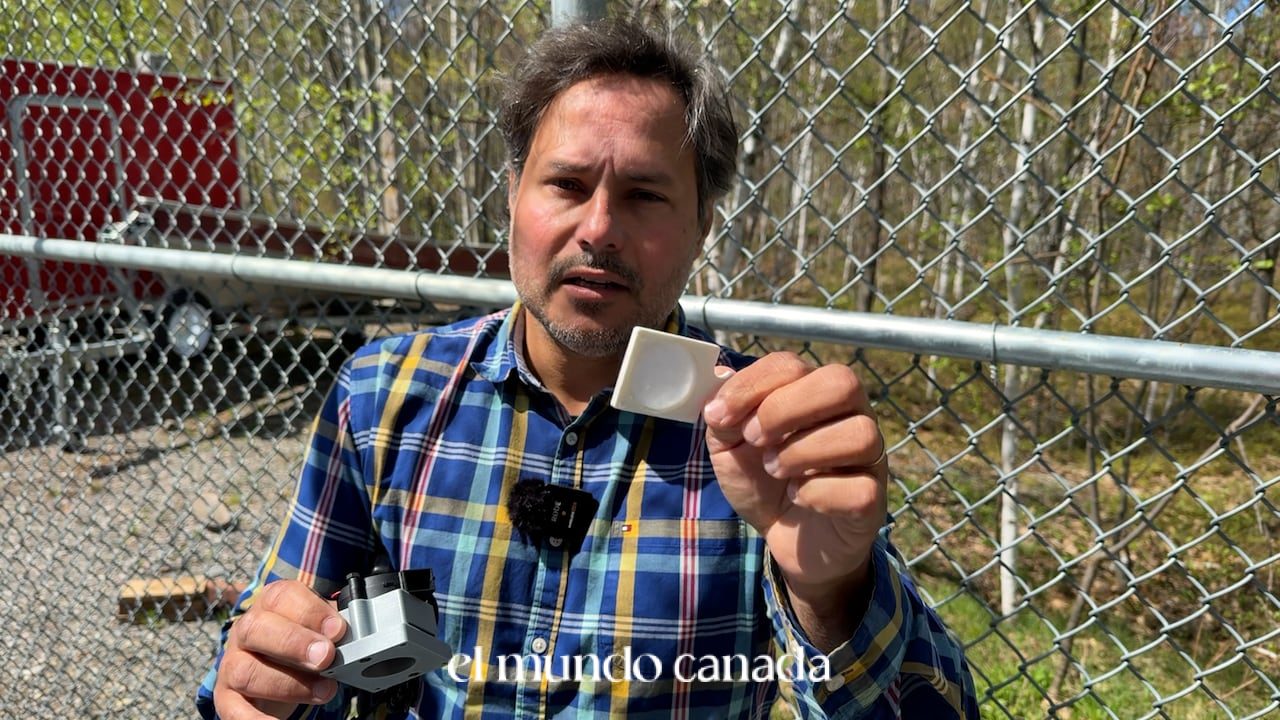
honey bees mine regreening: A groundbreaking research project at Laurentian University is transforming how scientists track environmental recovery at mining sites. Dr. Jeff Skevington, an entomologist at the Sudbury-based institution, has deployed honey bees as mine monitoring tools to assess regreening efforts at a local operation.
In this article
A single beehive can sample vegetation across an area that would take human researchers weeks to survey on foot, according to the study.
This innovative approach harnesses the natural foraging behavior of bees to collect environmental data across vast landscapes. The research offers mining companies and environmental regulators a cost-effective, scientifically robust method for evaluating ecosystem restoration progress.
honey bees mine regreening: How Honey Bees Become Environmental Detectives
The Science Behind Bee-Based Monitoring
Honey bees travel up to five kilometers from their hives in search of pollen and nectar. During these foraging trips, they inadvertently collect samples from hundreds of plant species across diverse terrain.
Dr. Skevington’s team analyzes the pollen brought back to strategically placed hives near mining operations. This pollen serves as a biological snapshot of the surrounding vegetation, revealing which plant species have successfully established themselves in previously disturbed areas.
The technique proves far more efficient than traditional ground surveys. A single hive of bees can sample an area that would take human researchers weeks to cover on foot.
Why Bees Outperform Traditional Methods
Conventional regreening assessments require teams of botanists walking predetermined transects. This approach consumes significant time and resources while potentially missing vegetation in hard-to-reach areas.
Bees, however, operate with remarkable efficiency. They naturally seek out flowering plants across the entire landscape, including steep slopes and remote corners that human surveyors might overlook.
The pollen analysis also provides quantitative data about plant diversity and abundance. Researchers can track changes over time by comparing seasonal and annual pollen collections.
Sudbury’s Unique Position for This Research
A Region Transformed by Mining and Recovery
The Sudbury Basin holds particular significance for mine rehabilitation research. Decades of nickel and copper mining left vast areas of the region ecologically damaged, prompting one of the world’s most ambitious regreening programs.
Since the 1970s, community efforts have planted millions of trees and applied lime to neutralize acidic soils. The landscape has undergone a remarkable transformation, making it an ideal laboratory for studying ecosystem recovery.
Dr. Skevington’s research builds on this legacy while introducing cutting-edge biomonitoring techniques. The honey bee approach allows scientists to measure the success of past restoration efforts and guide future initiatives.
Laurentian University’s Environmental Research Legacy
Laurentian University has long positioned itself as a leader in environmental and mining-related research. The institution’s location in the heart of mining country provides unique access to active operations and reclaimed lands.
The entomology department’s work with honey bees represents an interdisciplinary approach that combines biology, ecology, and environmental science. This research demonstrates how academic institutions can develop practical solutions for industry challenges.
The Technical Process Explained
From Hive to Laboratory
The monitoring process begins with establishing apiaries at strategic locations around mining properties. Researchers position hives to capture pollen from both disturbed and reference areas, enabling comparative analysis.
Bee colonies collect pollen throughout the growing season, typically from May through September in Northern Ontario. Research assistants regularly harvest pollen samples from specialized traps installed at hive entrances.
In the laboratory, technicians identify pollen grains using microscopy and DNA barcoding techniques. This analysis reveals not only which plants are present but also their relative abundance in the landscape.
Interpreting the Data
The pollen profiles generate valuable insights about ecosystem health. A diverse array of native plant species indicates successful restoration, while dominance by invasive or weedy species suggests areas requiring additional intervention.
Researchers compare current vegetation patterns against historical baselines and restoration targets. This information helps mining companies demonstrate compliance with environmental regulations and community agreements.
Broader Applications and Industry Impact
Scaling the Approach
The honey bee monitoring technique holds potential far beyond Sudbury. Mining operations worldwide face increasing pressure to demonstrate environmental responsibility and track rehabilitation success.
Dr. Skevington’s methodology offers a standardized, repeatable approach that companies could deploy across multiple sites. The relatively low cost of maintaining beehives makes the technique accessible even for smaller operations.
Environmental consulting firms have expressed interest in incorporating bee-based monitoring into their service offerings. This commercial potential could accelerate adoption and generate additional research funding.
Benefits for Multiple Stakeholders
Mining companies gain a credible, science-based method for documenting their environmental performance. Regulators receive objective data for assessing permit compliance and approving mine closure plans.
Local communities benefit from transparent information about environmental conditions. Indigenous groups with traditional territories near mining operations can use the data to evaluate impacts on culturally significant plant species.
The bees themselves contribute to local ecosystems by pollinating native plants, creating a positive feedback loop that supports regreening efforts.
Challenges and Future Directions
Limitations of the Approach
Bee-based monitoring does face certain constraints. The technique only captures data during the growing season when bees actively forage. Winter conditions and early spring assessments require complementary methods.
Some plant species produce limited pollen or rely on wind pollination, making them underrepresented in bee-collected samples. Researchers must account for these biases when interpreting results.
Climate change introduces additional variables, potentially altering bee behavior and plant flowering times. Long-term monitoring programs must adapt their protocols accordingly.
Expanding the Research
Dr. Skevington’s team plans to expand their monitoring network to additional mining sites across Northern Ontario. Partnerships with mining companies are providing access to diverse landscapes and funding for continued research.
Future work may incorporate additional bee products, including honey and propolis, which capture different environmental signals. These materials could provide information about air quality and trace metal contamination.
The use of honey bees for mine monitoring represents a significant advancement in environmental assessment techniques, combining natural processes with scientific rigor to track ecosystem recovery at mining sites.
