


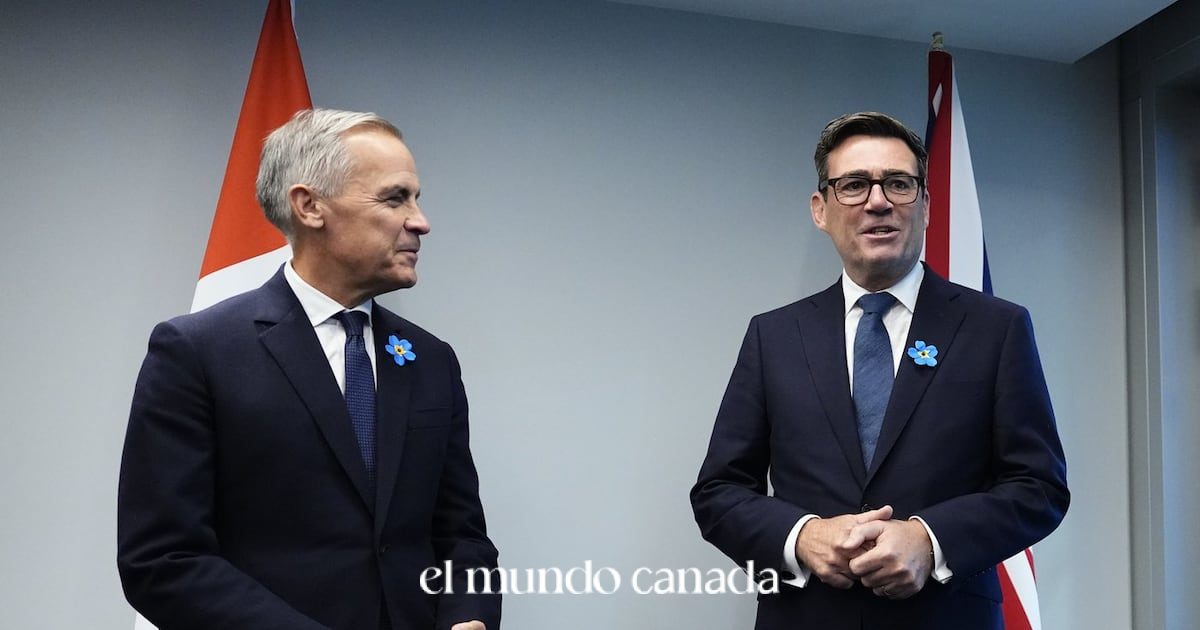
Canada is actively seeking full membership in a UK-led military alliance, marking a significant shift in the country’s defense strategy and international positioning. This diplomatic push, reported on September 16, 2026, signals Ottawa’s commitment to strengthening transatlantic security partnerships beyond traditional frameworks like NATO.
The move comes at a time when global security dynamics are rapidly evolving, with nations reassessing their defense commitments and military collaborations. For Canadians, particularly those with ties to international communities, this development could have far-reaching implications for the country’s role on the world stage and its defense spending priorities.
What Is the UK Military Coalition?
The United Kingdom has been building a network of military partnerships with allied nations, creating a coalition focused on rapid deployment capabilities and shared defense resources. This alliance operates alongside existing structures like NATO and the Five Eyes intelligence partnership, providing additional flexibility for participating nations.
Britain’s coalition emphasizes interoperability between member forces, joint training exercises, and coordinated responses to emerging security threats. The framework allows for bilateral and multilateral operations that can be deployed more quickly than traditional alliance mechanisms.
For Canada, joining this coalition would represent an expansion of existing military ties with the UK, building on the historical relationship between the two Commonwealth nations. The partnership would likely include shared intelligence, joint procurement programs, and integrated command structures for specific operations.
Why Canada Seeks Full Membership
Several factors are driving Ottawa’s push for full participation in the UK-led alliance. The Canadian government has been working to diversify its defense partnerships, particularly in light of shifting dynamics with the United States. Recent tensions over trade and international sanctions policies have prompted Canada to strengthen ties with other allies.
Defense modernization is another key driver. Canada’s military has faced criticism for aging equipment and capability gaps. Participation in the UK coalition could provide access to advanced military technology, joint procurement opportunities, and shared research and development programs.
The Arctic region remains a strategic priority for Canada, with increasing activity from Russia and China in northern waters. A stronger partnership with the UK, which has its own Arctic interests, could enhance Canada’s ability to monitor and defend its northern territories.
Additionally, the coalition offers Canada a platform to project influence in regions where it has historically maintained a lower profile, including Eastern Europe and the Indo-Pacific.
Implications for Canadian Defense Policy
Full membership in the UK-led military alliance would likely require significant adjustments to Canada’s defense policy and budget allocations. The Canadian Armed Forces may need to invest in new equipment and training to meet coalition standards and interoperability requirements.
Defense spending has been a contentious issue in Canada, with successive governments facing pressure from allies to increase military budgets. Joining an additional alliance could intensify these calls, potentially requiring billions of dollars in new investments over the coming years.
The move could also affect Canada’s relationship with NATO. While the UK coalition is not designed to replace the North Atlantic alliance, overlapping commitments could create resource allocation challenges. Canadian officials would need to balance obligations across multiple frameworks.
Read more: Matthews Commits to Leafs: What It Means
For military personnel, the expanded partnership could mean more overseas deployments, increased joint training opportunities, and potential changes to career development pathways. Canadian forces already participate in various UK-led exercises, but full membership would likely expand these commitments significantly.
International Reactions and Context
The international community is watching Canada’s military realignment closely. European allies generally welcome expanded Canadian engagement in transatlantic security, viewing it as a strengthening of the broader Western alliance network.
The United States has traditionally been Canada’s primary defense partner through NORAD and bilateral agreements. Washington’s response to Ottawa’s expanded UK ties will be closely monitored, though officials have generally supported stronger allied cooperation.
Russia and China are likely to view the development with concern, interpreting it as further consolidation of Western military capabilities. This could have implications for Canada’s diplomatic relationships with these nations and its approach to issues like Arctic sovereignty and trade relations.
The United Nations framework remains important for Canada’s international security contributions. Any new alliance commitments would need to be balanced against Canada’s traditional role in peacekeeping operations and multilateral security initiatives.
What This Means for Canadians
For everyday Canadians, the country’s push for full membership in the UK military coalition may seem distant from daily concerns. However, the implications could eventually affect government spending priorities, with potential impacts on other programs and services.
Tax dollars allocated to defense could increase if Canada commits to meeting new alliance obligations. This spending would need to be balanced against domestic priorities like healthcare, infrastructure, and social programs.
For Latin American communities in Canada, the development reflects broader questions about the country’s international positioning. Canada’s relationships with Latin American nations could be affected by its closer alignment with European military structures, particularly regarding issues like regional security cooperation and humanitarian assistance.
Employment opportunities in the defense sector could expand if Canada increases military spending and procurement. Aerospace, shipbuilding, and technology companies with defense contracts may see growth, potentially creating jobs across the country.
Veterans and military families should monitor developments closely, as expanded alliance commitments could affect deployment patterns and support services. Organizations advocating for military personnel may need to engage with policy discussions around the new partnership.
What is the UK-led military coalition Canada wants to join?
The UK-led military coalition is an alliance of nations focused on rapid deployment capabilities, shared defense resources, and coordinated security responses. It operates alongside NATO and other existing frameworks, providing additional flexibility for participating countries.
How would joining affect Canada’s defense spending?
Full membership would likely require increased defense spending to meet coalition standards and interoperability requirements. Canada may need to invest in new equipment, training programs, and personnel to fulfill alliance obligations.
Does this replace Canada’s NATO membership?
No, the UK coalition is designed to complement, not replace, existing alliances like NATO. Canada would maintain its commitments to the North Atlantic alliance while participating in the additional partnership.
What are the benefits of full membership for Canada?
Benefits could include access to advanced military technology, joint procurement opportunities, enhanced Arctic security capabilities, and a stronger platform for international influence in regions like Eastern Europe and the Indo-Pacific.
When will Canada’s membership status be decided?
The timeline for Canada’s full membership remains under discussion. Further announcements regarding negotiations and formal agreements are expected in the coming months as diplomatic talks continue between Ottawa and London.
📘 Follow El Mundo Canada on our social networks: Facebook | Twitter | Instagram
As Canada pursues this significant shift in defense strategy, citizens and policymakers alike will be watching closely. The next phase of negotiations between Canadian and British officials is expected to continue through late 2026, with formal agreements potentially announced before year’s end.
