


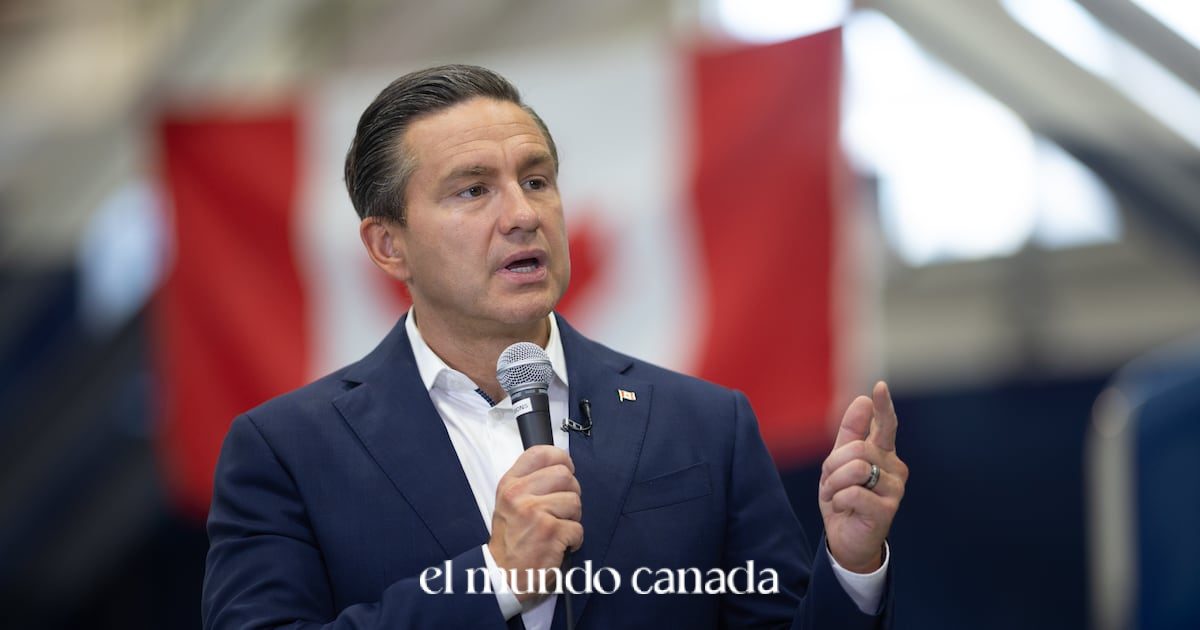
Conservative Party Leader Pierre Poilievre departed from the Conservative caucus retreat while deliberately avoiding press cameras and questions from journalists, according to reports from September 2026. The decision to bypass media interactions has raised questions about the party’s communication strategy as Canada heads toward a critical political period.
The Conservative caucus retreat concluded with Poilievre making what observers described as a calculated exit away from the assembled press corps. This departure marks a notable shift in approach for the Conservative leader, who has previously been known for engaging directly with media during major party events.
What the Caucus Retreat Means for Conservatives
The caucus retreat serves as a critical planning session for the Conservative Party of Canada. These gatherings typically bring together Members of Parliament and Senators to discuss legislative priorities, party strategy, and upcoming political battles. The retreat provides an opportunity for party leadership to align messaging and coordinate their approach to pressing national issues.
For the Latin community in Canada, understanding the dynamics of major political parties is essential. The Conservative Party has positioned itself on various immigration and economic policies that directly affect newcomers and established immigrant communities across the country.
Party retreats often generate significant media coverage, with leaders typically holding press conferences to outline their vision and respond to current events. Poilievre’s decision to avoid this traditional media interaction represents a departure from standard political practice.
Media Relations and Political Strategy
Political leaders in Canada regularly engage with the press as part of their public communication strategy. The relationship between politicians and journalists plays a crucial role in informing citizens about government activities and opposition positions. When leaders choose to avoid media interactions, it often signals a strategic calculation about the political landscape.
Poilievre has built his political brand partly through his media appearances and direct communication style. His departure from the retreat without addressing reporters contrasts with this established approach. The decision may reflect concerns about particular questions or a broader shift in how the Conservative Party plans to manage its public communications.
For Canadians following political developments, the accessibility of political leaders to media scrutiny remains an important democratic principle. Understanding these dynamics helps voters make informed decisions about representation and governance.
Read more: Carney EU Speech: Far-Right Heckler Disrupts Address
Conservative Party Direction and Leadership
The Conservative Party of Canada continues to position itself as the primary opposition force in Canadian politics. Under Poilievre’s leadership, the party has focused on issues including affordability, housing costs, and economic management. These themes resonate particularly with communities facing rising living expenses across Canadian cities.
The Latin community in Canada represents a growing demographic with increasing political influence. Understanding the positions and strategies of major political parties helps community members engage effectively in the democratic process. Whether considering immigration policy, economic opportunity, or social programs, awareness of party dynamics informs civic participation.
Political observers will likely analyze Poilievre’s retreat departure for signals about upcoming campaign strategies and the Conservative approach to media relations moving forward. The incident adds to ongoing discussions about political communication in the modern media environment.
Understanding Canada’s Political Landscape
For newcomers to Canada, navigating the political system can seem complex. The country operates under a parliamentary democracy with multiple parties competing for representation. The Conservative Party, Liberal Party, New Democratic Party, and Bloc Québécois represent the major political forces at the federal level.
Engaging with Canadian politics is an important step for immigrants building their lives in the country. Understanding party positions on issues like business registration and entrepreneurship helps community members make decisions that align with their values and interests.
The Conservative caucus retreat represents one of many political events that shape the national conversation. Following these developments provides insight into how parties prepare for legislative sessions and potential elections.
What This Means for the Community
Political accessibility matters for all Canadians, including members of the Latin community. When leaders engage openly with media, it provides opportunities for diverse voices and concerns to be addressed publicly. Conversely, when leaders avoid press interactions, it can limit public understanding of their positions.
The Conservative Party’s approach to various policy areas affects communities across Canada. From economic policy to immigration programs, the positions taken by major parties have direct implications for daily life. Staying informed about political developments helps community members advocate effectively for their interests.
Civic engagement extends beyond voting to include understanding the political process and holding leaders accountable. Events like the caucus retreat provide windows into party operations that inform broader democratic participation.
Recent political developments in Canada have included various changes in government leadership at provincial levels, demonstrating the dynamic nature of Canadian politics.
Why do political leaders hold caucus retreats?
Caucus retreats allow political parties to bring together their elected members for strategic planning, policy discussions, and coordination of legislative priorities. These gatherings help parties present unified positions on key issues.
What is the significance of avoiding press at political events?
When political leaders avoid media interactions, it can signal various strategic considerations. Press availability allows journalists to ask questions on behalf of the public, making media accessibility an important aspect of democratic accountability.
How can the Latin community stay informed about Canadian politics?
Community members can follow Canadian political news through various media outlets, attend local political events, engage with community organizations, and participate in the electoral process through voting and civic engagement.
📘 Follow El Mundo Canada on our social networks: Facebook | Twitter | Instagram
The next parliamentary session will provide opportunities to observe how the Conservative Party translates its retreat discussions into legislative action. Canadians interested in following these developments should monitor upcoming House of Commons proceedings when Parliament resumes for the fall 2026 session.
