


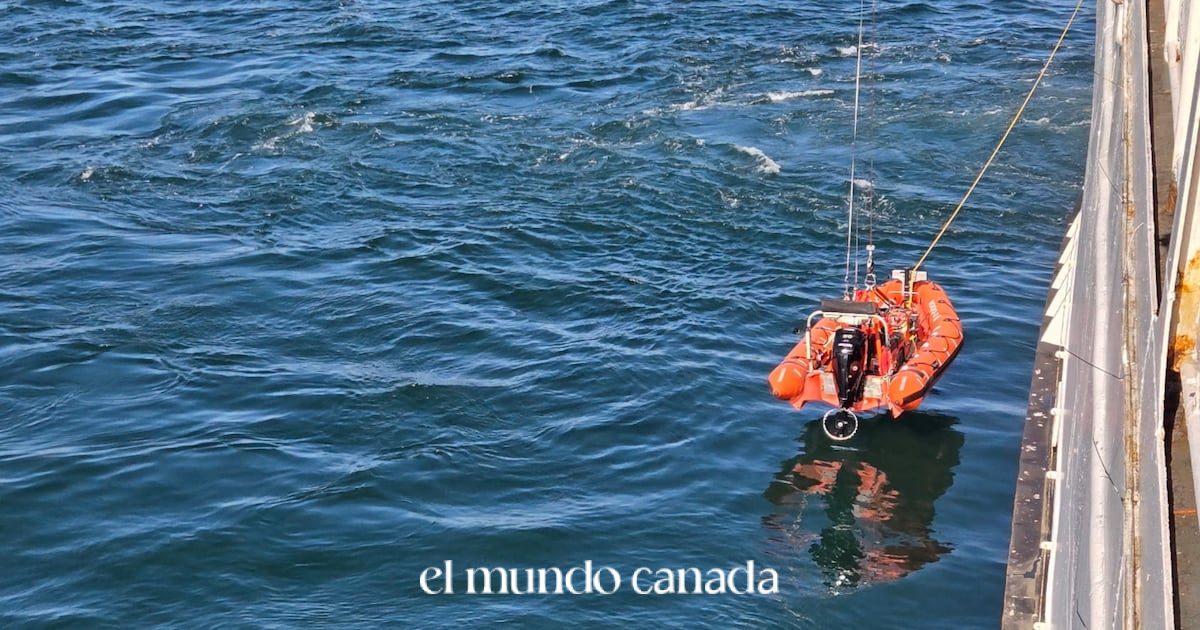
A BC ferry rescue operation successfully pulled two people from a sinking fishing boat near a British Columbia ferry terminal on September 14, 2026. The dramatic water rescue highlights the critical importance of maritime safety protocols along Canada’s Pacific coast, where fishing vessels and ferry traffic share busy waterways throughout the year.
The BC ferry rescue incident occurred when the fishing boat began taking on water in the vicinity of a ferry terminal in British Columbia. Emergency responders acted swiftly to extract both individuals from the distressed vessel before it sank beneath the surface. Neither victim suffered serious injuries during the water rescue operation.
Maritime Emergency Response in British Columbia
British Columbia’s coastline stretches over 27,000 kilometers, making it one of the longest and most complex maritime jurisdictions in North America. The Canadian Coast Guard maintains multiple stations throughout the region to respond to emergencies like this BC ferry rescue. These teams train extensively to handle sinking vessel scenarios, capsized boats, and other maritime distress situations.
The proximity of the incident to a ferry terminal likely contributed to the rapid response time. BC Ferries operates one of the largest ferry systems in the world, with vessels equipped with emergency response capabilities. Crew members receive regular training in water rescue techniques and passenger safety protocols.
For the Latin community in Canada, particularly those working in British Columbia’s fishing industry, understanding maritime safety procedures is essential. The Pacific coast fishing sector employs thousands of workers, many from immigrant communities who contribute significantly to this vital economic activity.
Fishing Industry Safety Standards
Commercial fishing remains one of the most dangerous occupations in Canada. According to Transport Canada regulations, all fishing vessels must carry essential safety equipment including life jackets, emergency beacons, and communication devices. The successful outcome of this BC ferry rescue demonstrates the value of proper safety preparedness.
Small fishing boats operating near busy maritime corridors face particular challenges. The presence of large ferry vessels creates wake patterns and traffic congestion that can affect smaller craft. Operators must maintain constant awareness of their surroundings and vessel conditions to prevent emergencies.
Weather conditions along the British Columbia coast can change rapidly, adding another layer of risk for fishing operations. Experienced mariners recommend checking forecasts multiple times daily and carrying backup communication equipment in case of emergencies.
Ferry Terminal Operations and Safety Zones
The waters surrounding BC Ferries terminals are designated as controlled navigation zones. Smaller vessels, including fishing boats, must maintain safe distances from ferry approaches and departures. These regulations exist to prevent collisions and ensure orderly maritime traffic flow.
Recreational boaters and commercial fishers alike must familiarize themselves with navigation rules specific to ferry terminal areas. The Canadian Coast Guard publishes detailed charts and guidelines for safe operation in these busy waterways. Violations can result in fines and, more importantly, dangerous situations like the one that led to this rescue.
The BC ferry rescue incident serves as a reminder that even experienced mariners can encounter unexpected problems. Mechanical failures, sudden weather changes, or hull damage can turn a routine fishing trip into a life-threatening emergency within minutes.
Read more: US Midterms 2026: 47% Poll Shift Alert
Emergency Procedures for Boaters
When a vessel begins taking on water, immediate action is critical. Transport Canada recommends the following emergency response steps:
- Activate the bilge pump immediately if equipped
- Call for help using VHF Channel 16, the international distress frequency
- Don life jackets for all passengers without delay
- Activate emergency beacon if the situation escalates
- Prepare to abandon ship if water ingress cannot be controlled
The two individuals rescued in this incident followed proper protocols, which contributed to the positive outcome. Having functional safety equipment and knowing how to use it can mean the difference between a successful rescue and tragedy.
Coast Guard officials consistently emphasize that wearing life jackets at all times while on small vessels dramatically improves survival rates. Many drowning victims are found without flotation devices, even when life jackets were available on board.
Resources for Maritime Workers in Canada
The Latin community working in British Columbia’s maritime industries can access numerous safety resources and training programs. WorkSafeBC offers multilingual materials covering fishing vessel safety, while various community organizations provide orientation sessions for new workers entering the industry.
Transport Canada requires all commercial vessel operators to complete certified training programs. These courses cover emergency response, navigation rules, and equipment maintenance. Workers can find courses offered in multiple languages across British Columbia and other coastal provinces.
For those interested in recreational boating, the Canadian Power and Sail Squadrons offer comprehensive courses on safe vessel operation. Completing these programs helps ensure that families enjoying Canada’s beautiful waterways can do so safely and confidently.
The successful BC ferry rescue of two people from a sinking fishing boat reinforces the importance of maritime preparedness along the Pacific coast. Community members working in or around the water should regularly review safety procedures and ensure their equipment meets all regulatory standards.
Transport Canada’s next scheduled review of small vessel safety regulations is set for November 2026, when officials will consider updates to emergency equipment requirements for fishing boats operating in high-traffic maritime zones like those surrounding BC Ferries terminals.
What should I do if my boat starts sinking?
Immediately activate your bilge pump, call for help on VHF Channel 16, ensure all passengers wear life jackets, activate your emergency beacon, and prepare to abandon ship if necessary. Stay calm and follow established emergency procedures.
Where can I report maritime emergencies in British Columbia?
Contact the Canadian Coast Guard on VHF Channel 16 for immediate emergencies. You can also call *16 from a cell phone to reach Joint Rescue Coordination Centre Victoria. These services operate 24 hours a day, 365 days a year.
What safety equipment is required on fishing boats in Canada?
Transport Canada requires all fishing vessels to carry life jackets for each person aboard, emergency beacons, fire extinguishers, sound signaling devices, and navigation lights. Specific requirements vary based on vessel size and operating distance from shore.
How can I access maritime safety training in British Columbia?
WorkSafeBC offers industry-specific safety courses, while Transport Canada certifies various training providers throughout the province. The Canadian Power and Sail Squadrons also offer recreational boating courses. Many programs are available in multiple languages.
📘 Follow El Mundo Canada on our social networks: Facebook | Twitter | Instagram
Follow us on Facebook and join our WhatsApp community for the latest news affecting the Latin community across Canada.
Also read:
As of September 14, 2026, both rescued individuals are reported safe, and authorities continue to review the circumstances of the incident.
