


The United States House of Representatives passed a landmark bipartisan sanctions bill targeting Russia on September 16, 2026, with a decisive vote of 262 to 159. This sweeping legislation, which had already cleared the Senate, now heads to President Donald Trump’s desk for signature. For Canadians, particularly those with ties to global trade and international affairs, this US Russia sanctions bill represents a significant shift in Western policy toward Moscow.
What the Sanctions Bill Includes
The much-anticipated legislation grants the president new powers to impose tariffs of up to 100 percent on countries that continue importing Russian energy supplies. Nations like China and India fall directly under this provision, allowing Washington to dramatically restrict the flow of funds reaching Moscow.
Beyond tariffs, the bill targets multiple pressure points in Russia’s economic infrastructure. Sanctions will be imposed on Russian officials, banking institutions, and the so-called shadow fleet of tankers that has enabled Russian energy exports to continue despite previous restrictions.
The legislation marks a historic moment, representing the first time in more than two years that the US Congress has passed legislation supporting Ukraine in its ongoing conflict with Russia.
Bipartisan Support and Opposition
The bill’s passage required an unusual coalition. Fifty-eight Democrats broke with their party’s leadership to join a majority of Republicans in supporting the measure. This cross-party collaboration demonstrates the continued bipartisan interest in countering Russian aggression.
House Democratic Leader Hakeem Jeffries opposed the legislation, raising concerns about the broad tariff authorities granted to the White House. He warned these powers could potentially be used against US allies rather than adversaries.
“The manner in which this bill has been written doesn’t require the president of the United States to impose sanctions on Russia. In fact, there are so many loopholes written into the bill, I believe, that it’s very unlikely that the sanctions relief contemplated in the legislation will ever see the light of day.”
Despite these objections, the bill passed with a comfortable margin, reflecting sustained congressional commitment to Ukraine.
The Lindsey Graham Legacy
The legislation carries special significance as a tribute to the late Republican Senator Lindsey Graham of South Carolina, who championed the bill before his sudden death in July 2026. Graham had worked to negotiate President Trump’s support for the measure.
Democratic Senator Richard Blumenthal of Connecticut, who co-authored the bill with Graham, spoke about its potential impact at a rare bipartisan news conference following the vote.
“To Vladimir Putin – we have your number. And to Ukraine – you are not alone.”
The senator expressed hope that the sanctions would help force Putin to the negotiating table and ultimately end the war.
House Speaker Celebrates Victory
House Speaker Mike Johnson celebrated the bill’s passage, emphasizing its potential to disrupt Russian President Vladimir Putin’s war machine. Johnson highlighted how the legislation addresses the financial networks that have sustained Russia’s military operations.
“For too long, Putin has bankrolled this devastating war with money and resources from countries willing to look the other way, and today, that ends. This bill sends a powerful message of American unity and gives the Administration every tool in the toolbox to help bring this war to a just end.”
Johnson announced the bill would be sent to the president’s desk following the successful vote.
Ukraine Connection and Zelenskyy’s Push
Ukrainian President Volodymyr Zelenskyy had been actively advocating for the bill’s passage. He made a direct appeal to senators shortly before they approved the legislation last month in the Senate.
The timing proves particularly significant as efforts are currently underway to arrange a meeting between Zelenskyy and Trump at the United Nations next week. This potential diplomatic encounter could shape how the new sanctions are implemented.
The bill’s passage comes amid continued Russian aggression, including recent strikes near the Polish border and deadly drone attacks near Ukraine’s front lines that killed at least five people.
Implications for Canada and the Latin Community
For Canadians, especially those in the Latin community with connections to international trade and global affairs, this US Russia sanctions bill carries several implications worth monitoring.
Canada’s close economic ties with the United States mean that shifts in American trade policy often create ripple effects north of the border. The potential for 100 percent tariffs on Russian energy importers could reshape global energy markets.
Latin American nations that maintain energy relationships with Russia may face pressure to reconsider those ties. Countries in the region will need to weigh their economic interests against potential US trade restrictions.
Canadian businesses engaged in international trade should monitor how these sanctions affect supply chains and global commodity prices in the coming months.
What Happens Next
President Trump is expected to sign the bill into law. Once enacted, the administration will have significant discretionary power in implementing the various sanctions provisions.
The legislation overcame more than a year of delays and obstacles before reaching this point. Its passage represents a significant legislative achievement that required sustained bipartisan negotiation.
Congressional supporters held a rare bipartisan news conference after the vote, with Republicans and Democrats from both the House and Senate celebrating together. This unified front aims to send a strong message to Moscow.
Global Context and Ongoing Conflict
The sanctions bill arrives as the Russia-Ukraine conflict continues with no clear end in sight. NATO has recently pledged additional support to Ukraine following Russian strikes that came dangerously close to Polish territory.
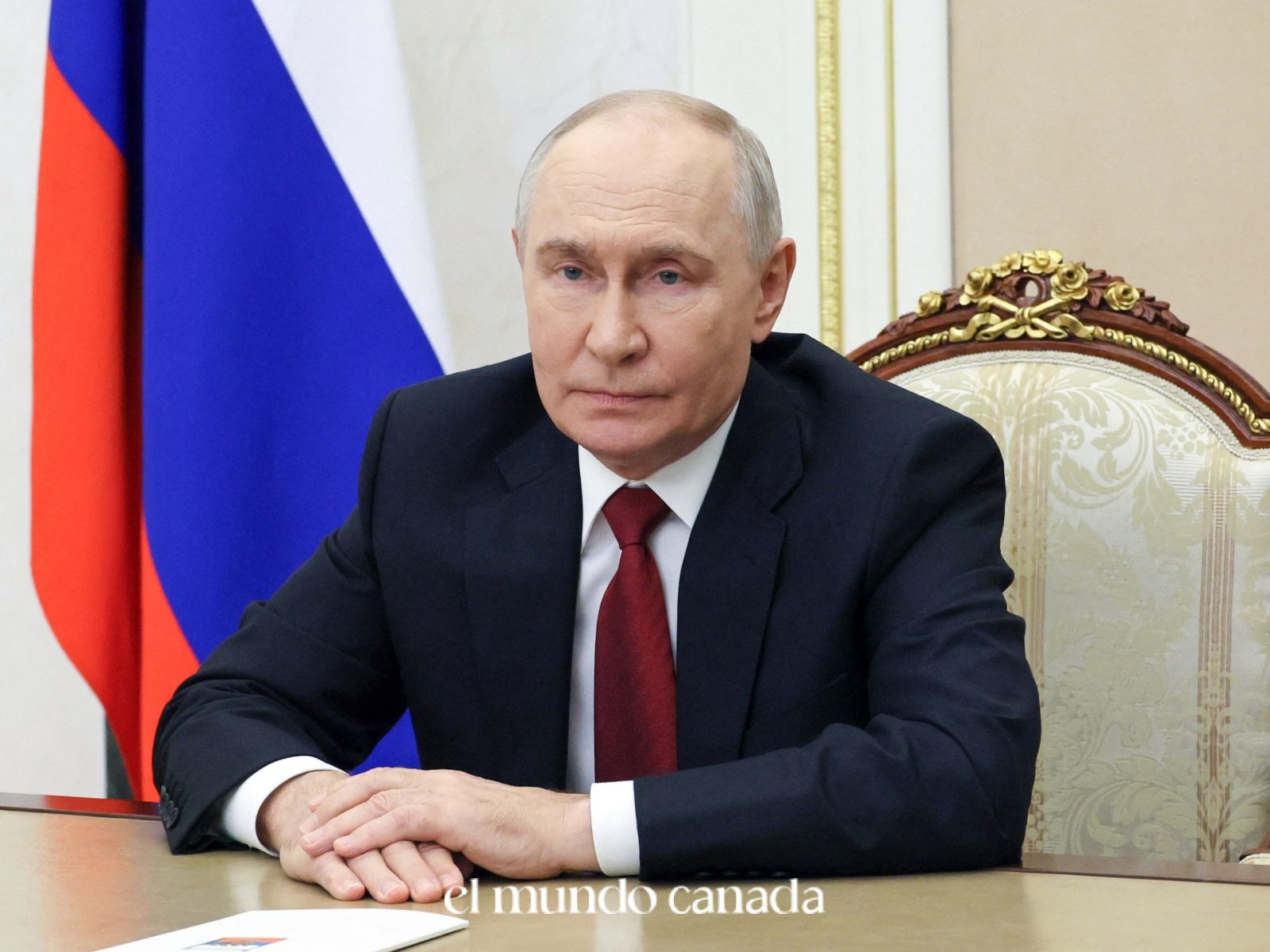
Russian President Vladimir Putin delivered a televised address from Moscow on September 16, 2026, the same day American lawmakers voted on the sanctions package. The Kremlin has not yet officially responded to the bill’s passage.
The shadow fleet of tankers specifically targeted by this legislation has been crucial in helping Russia circumvent previous sanctions. Disrupting these maritime operations could significantly impact Moscow’s ability to fund its military campaign.
Key Takeaways for Canadian Residents
Understanding the US Russia sanctions bill helps Canadians stay informed about major geopolitical developments affecting North America. The legislation demonstrates continued Western resolve against Russian aggression.
- The bill passed with 262 votes in favor and 159 against
- Tariffs of up to 100 percent can be imposed on Russian energy importers
- Fifty-eight Democrats joined Republicans to pass the measure
- The bill is named after the late Senator Lindsey Graham
- President Trump is expected to sign it into law
Canadian residents with investments in global markets or family connections in affected regions should stay informed about how these sanctions develop over the coming weeks.
What does the US Russia sanctions bill do?
The legislation grants the president authority to impose tariffs up to 100 percent on countries importing Russian energy. It also sanctions Russian officials, banks, and the shadow fleet of tankers transporting Russian oil and gas.
When will the sanctions take effect?
President Trump is expected to sign the bill into law following its passage by Congress on September 16, 2026. Implementation timelines will depend on administrative decisions once the legislation becomes law.
How might this affect Canada?
Canada’s close economic relationship with the United States means American trade policy shifts often create ripple effects. Canadian businesses should monitor how sanctions affect global energy markets and supply chains.
The bill now moves to President Trump’s desk for signature following its passage on September 16, 2026. A potential meeting between Presidents Zelenskyy and Trump at the United Nations is being arranged for next week, where implementation of these new sanctions may be discussed.
