


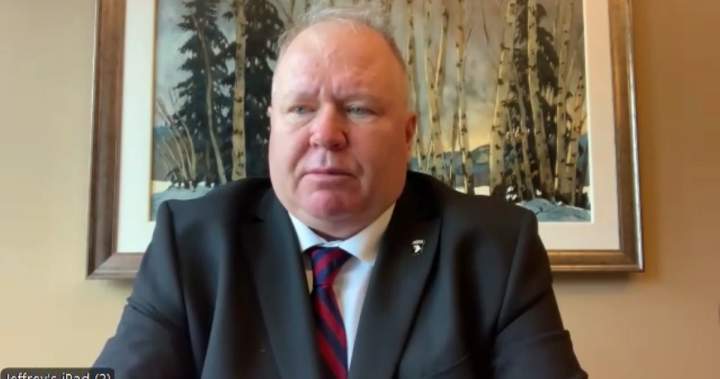
An Alberta lawyer known for his prominent role in the provincial separatist movement is now facing serious legal scrutiny as multiple First Nations communities raise alarming questions about the management of their trust funds. Jeffrey Rath, a co-founder of the Alberta Prosperity Project, finds himself at the center of escalating court battles that have resulted in extraordinary judicial measures to protect potentially mismanaged assets.
Court Orders Asset Freeze Against Rath and His Firm
On July 11, 2026, a provincial judge granted an interim Mareva order against Rath and his professional corporation, Jeffrey R.W. Rath Professional Corporation, which operates under the name Rath & Company. This type of freezing order represents an exceptional pre-judgment remedy designed to prevent defendants from transferring, concealing, or liquidating assets before a legal case reaches its conclusion.
The legal action originated from Tallcree First Nation, but court documents disclosed during those proceedings revealed troubling information that caught the attention of another Indigenous community. Justice John Gill, presiding over a hearing on July 16, 2026, extended the Mareva order until August 11 and took the additional step of granting a receivership order.
“This raises a concern about a pattern of behaviour by the respondents and the potential intermingling of trust assets,” Justice John Gill stated during the proceedings, referring to both the Tallcree and Sturgeon Lake cases.
The receivership order places an independent court officer in control of assets and records, enabling authorities to trace and protect what has been described as “missing” trust money.
Sturgeon Lake Cree Nation Raises Alarm Over $12 Million
Sturgeon Lake Cree Nation has emerged as the second Indigenous community to raise serious concerns about financial dealings with Rath’s firm. According to an affidavit filed on July 15, 2026, by Chief Sheldon Sunshine, the community is questioning approximately $12 million in withdrawals from the Sturgeon Lake Cree Nation Trust.
The breakdown of these withdrawals includes:
- More than $11 million paid to Rath & Company as administrative fees
- Approximately $575,000 attributed to legal expenses
- Funds that were meant to distribute settlement money to beneficiaries
- Shares held for minors until they reached adulthood
Rath’s firm served as the sole trustee of this fund, which was established to manage Treaty 8 settlement funds for the community and its members.
A History of Legal Disputes
The current allegations are not isolated incidents. Both Tallcree First Nation and Sturgeon Lake Cree Nation claim they have been unable to obtain proper financial statements for their respective trusts. Sturgeon Lake reports that the last complete financial statement they received covered the year 2021, with only partial “financial summaries” provided for 2022 and 2023 despite numerous requests for full documentation.
These two cases add to an already substantial list of legal challenges facing Rath. Investigative reporting has uncovered that eight other First Nations have been involved in court proceedings or Law Society complaints against the lawyer, suggesting a broader pattern of disputed business practices.
The situation with Sturgeon Lake also connects to a previous legal defeat for Rath. In February 2025, the Alberta Court of Appeal upheld an order preventing Rath from enforcing a 20 percent contract that would have entitled him to a $28.6 million fee from the nation’s Treaty 8 settlement.
What Both First Nations Allege
The complaints from both Indigenous communities share striking similarities:
- Trust fees charged without proper notification to the communities
- Financial records withheld that should have been disclosed earlier
- Difficulty obtaining basic financial information about their own trust funds
- Alleged incorrect payouts from trust accounts
- Reports of rude treatment by Rath & Company staff
- Incomplete or missing financial statements
Chief Sunshine’s affidavit reveals that Sturgeon Lake only learned about auditors questioning the $12 million in withdrawals through material filed in the Tallcree court case on July 14, 2026. This discovery through another community’s legal proceedings underscores the concerns about transparency that both nations have raised.
The Broader Context
Jeffrey Rath has built a career representing First Nations in landmark treaty settlements, making these allegations particularly significant for Indigenous communities across Alberta. His dual role as a prominent separatist voice through the Alberta Prosperity Project and as a lawyer handling substantial Indigenous trust funds presents a complex picture for observers following these developments.
As of the filing of court documents, Rath has not publicly responded to the allegations from either Sturgeon Lake Cree Nation or Tallcree First Nation. The allegations from both communities remain unproven in court, and the legal proceedings are ongoing.
The extended Mareva order will remain in effect until August 11, 2026, providing time for the court-appointed receiver to examine the financial records and trace the disputed funds. For the affected First Nations communities, this represents a critical opportunity to gain clarity about the management of funds that were meant to benefit their members for generations to come.
