


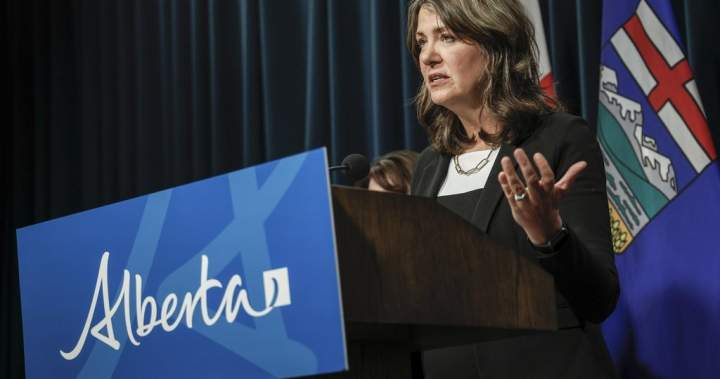
Alberta Premier Danielle Smith announced on July 25, 2026, that she will not pursue an alcohol ban against American products despite U.S. President Donald Trump’s latest threat of imposing 50 percent tariffs on Canadian goods. The decision marks a different approach from other Canadian provinces that have taken a harder stance against American imports.
Premier Smith Chooses Diplomacy Over Trade Retaliation
During her call-in radio show, Premier Smith explained that implementing an alcohol ban would be an extraordinary measure that she does not believe is warranted at this time. Instead of government intervention, Smith indicated she prefers to let market forces guide the response to the tariff threats. Retailers and consumers will decide for themselves how to stock their shelves and whether to continue purchasing American alcohol products.
“I prefer to stay calm and win the hearts and minds of Americans instead of retaliating with an alcohol ban,” Premier Smith stated during her radio program, outlining her diplomatic approach to the ongoing trade tensions.
This stance on the tariff threat represents a significant departure from measures taken by other provincial governments across Canada. The Alberta government appears to be betting on maintaining positive relationships with American counterparts rather than escalating trade conflicts through retaliatory bans.
How Other Provinces Have Responded to Tariff Threats
The Canadian response to Trump’s tariff policies has varied significantly across the country. Several provincial liquor boards took decisive action against American alcohol products in previous rounds of trade tensions. Understanding these different provincial responses helps illustrate the complexity of Canada’s approach to the ongoing tariff dispute.
- Saskatchewan initially removed American alcohol from shelves but has since returned U.S. products to stores
- Alberta similarly reinstated American beverages after a temporary removal period
- Ontario has maintained its position of not stocking U.S. alcohol products
- Quebec continues to refuse purchasing American alcohol for its provincial liquor stores
- The issue has become a significant pressure point between both major U.S. political parties
The contrast between Alberta’s current position and the approach taken by major purchasing provinces like Ontario and Quebec highlights the fractured nature of Canada’s trade response. These larger provinces represent significant market power, and their continued refusal to stock American alcohol sends a strong economic message south of the border.
What This Means for the Latin Community in Canada
For members of the Latin community living in Alberta, this decision on the tariff threat means continued access to American alcohol brands at local retailers. However, the broader implications of ongoing trade tensions between Canada and the United States could affect various sectors of the economy that employ many community members.
The tariff situation remains fluid, and future developments could impact everything from food prices to employment in industries dependent on cross-border trade. Community members working in manufacturing, agriculture, and retail should stay informed about potential changes that could affect their workplaces.
- Monitor local news for updates on tariff implementations and their effects
- Consider how personal purchasing decisions might be affected by price changes
- Stay aware of potential job market impacts in trade-dependent industries
- Understand that provincial responses to tariff threats may continue to differ
The tariff dispute also connects to broader questions about Canadian-American relations, including previous annexation comments made by the U.S. administration that prompted strong reactions across all Canadian provinces. These geopolitical tensions continue to shape policy decisions at every level of government.
The Political Landscape Surrounding Trade Tensions
Premier Smith’s decision not to implement retaliatory measures against the tariff threat comes amid a complex political environment in Alberta. Recent developments include ongoing questions about third-party political finances and a separatist petition that remains tied up in court proceedings. The premier appears to be navigating multiple political challenges while attempting to maintain economic stability.
Across provincial borders, other political leaders face their own challenges. Ontario Premier Doug Ford has seen his approval rating drop to 24 percent amid a spending scandal, which may influence how aggressively his province continues its stance against American products. The interconnected nature of Canadian provincial politics means that decisions made in Alberta could influence approaches taken elsewhere.
As the tariff situation continues to evolve, Canadians across all provinces will be watching to see whether diplomatic approaches like Premier Smith’s prove effective, or whether stronger retaliatory measures become necessary to protect Canadian economic interests from the ongoing tariff threats emanating from Washington.
