


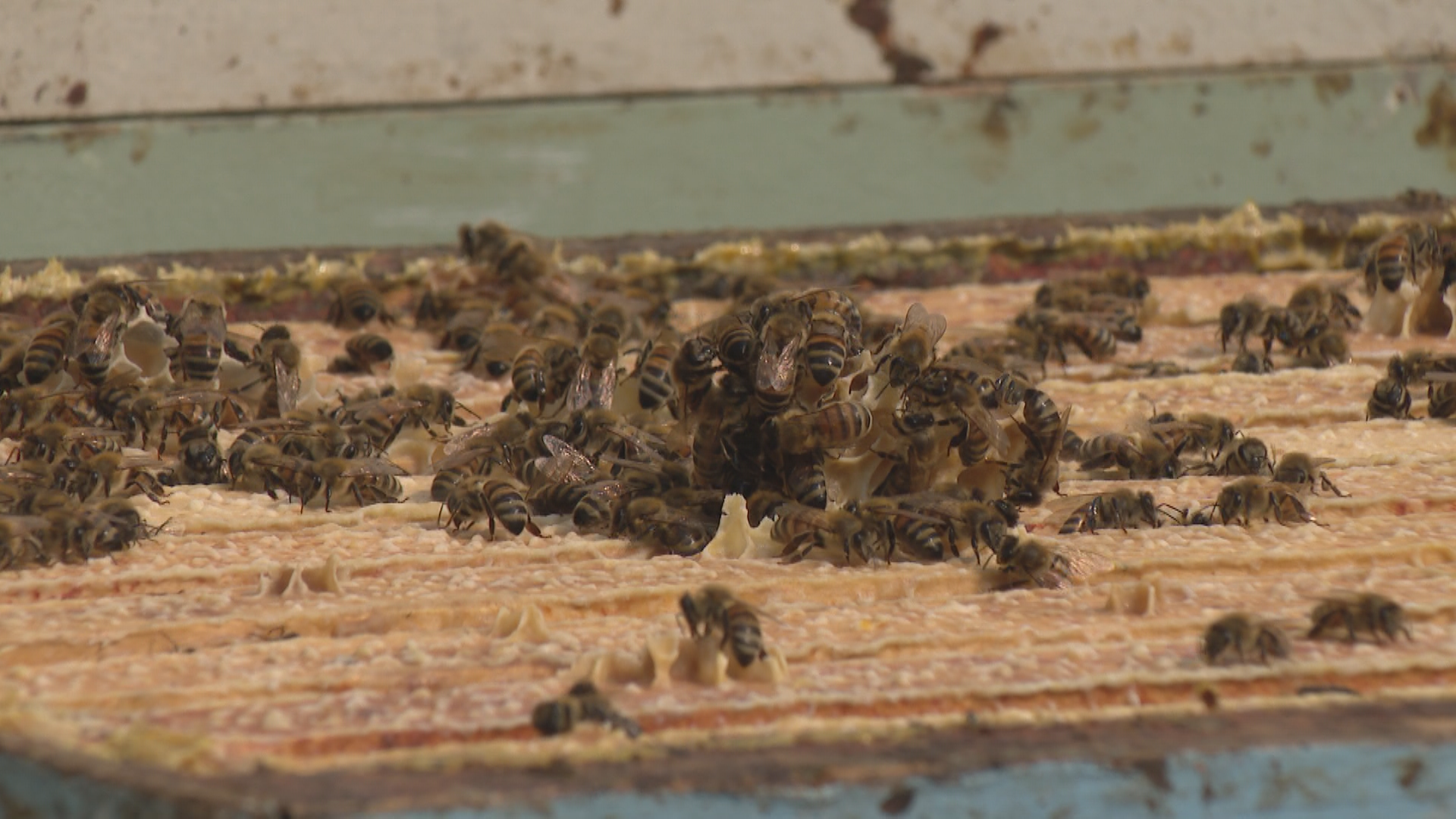
The 2026 season has brought significant challenges for beekeepers across Canada’s Prairie provinces, with a combination of weather setbacks and looming trade tensions creating uncertainty for this vital agricultural sector. As of July 27, 2026, honey producers in Saskatchewan, Alberta, and Manitoba are navigating one of the most difficult seasons in recent memory, with implications that extend to consumers and local food systems across Canada.
Weather Delays Impact Bee Populations and Honey Production
An unusually late spring has disrupted the natural cycle of bee colonies throughout the Prairie region, resulting in smaller populations than beekeepers typically see during the peak summer months. The cold weather delayed the critical period when queen bees lay eggs to build up their colonies, leaving fewer worker bees available to collect nectar from the abundant canola crops and wildflowers that characterize the Canadian Prairie landscape.
“It delayed the bees’ population build-up and so the queens didn’t lay as many eggs as fast. That resulted in fewer bees for this time of year than we normally see and that means we have fewer foragers out to go collect nectar from the canola crops and all the flowers that are out there right now,” explained Simon Lalonde, president of the Saskatchewan Beekeepers Development Commission.
Despite these setbacks, Prairie beekeepers remain cautiously optimistic. With several weeks of summer remaining, weather conditions could still improve the overall harvest. The final assessment of the 2026 honey crop won’t be complete until early September when all the honey has been collected and processed. Most producers are currently expecting an average crop at best, though conditions remain fluid.
US Tariffs Threaten Canadian Honey Exports
Beyond weather challenges, Canadian honey producers face a potentially more damaging threat in the form of proposed 50 percent tariffs from the United States, scheduled to take effect on August 19, 2026. This development has sent ripples of concern through the Prairie beekeeping community, which relies heavily on access to the American market.
Canada currently exports approximately 15 to 20 percent of its honey production to the United States, with the vast majority of this export coming from Prairie provinces. The Canadian honey industry depends on three primary markets for its product:
- Domestic sales within Canada
- Exports to the United States
- Exports to Japan
If American tariffs proceed as announced, Canadian producers would need to redirect roughly 20 percent of their current US-bound honey to either the Japanese market or seek entirely new international buyers. This represents a significant disruption to established trade patterns and could potentially flood the domestic market, affecting prices for all Canadian beekeepers.
Context and Market Realities
Industry experts note that Canadian honey represents only about two percent of total US honey consumption, which amounts to approximately 450 million pounds annually. This small market share suggests that the proposed tariffs may be more of a negotiating tactic than a genuine protective measure for American beekeepers.
Honey was previously exempt from tariffs under the Canada-United States-Mexico Agreement (CUSMA), making its inclusion in the new proposed levies particularly surprising to industry observers. The fact that honey has been grouped alongside auto parts in the tariff announcement reinforces speculation about the negotiating nature of these measures.
What This Means for Canadian Consumers
For Canadians, particularly those in the Latin community who often incorporate honey into traditional recipes and home remedies, the current situation presents both challenges and opportunities. Supporting local beekeepers has never been more important, and consumers can make a meaningful difference through their purchasing choices.
Here are practical ways to support Prairie beekeepers during this difficult period:
- Purchase honey directly from local producers at farmers’ markets
- Look for Canadian-produced honey labels at grocery stores
- Consider buying larger quantities to support local operations
- Share information about local honey sources with friends and family
- Explore honey varietals unique to Canadian Prairie regions
Canadian negotiators continue working to resolve the tariff situation before the August 19 deadline. While uncertainty remains, the beekeeping community maintains confidence that a resolution can be achieved that protects this important agricultural sector.
Looking Ahead to September
The coming weeks will prove decisive for Prairie beekeepers on multiple fronts. Weather conditions throughout August will ultimately determine the size of the 2026 honey harvest, while trade negotiations will shape the economic landscape for Canadian honey producers well into the future. For now, the industry remains resilient, adapting to challenges while calling on Canadians to recognize the value of locally produced honey and the hardworking beekeepers who make it possible.
