


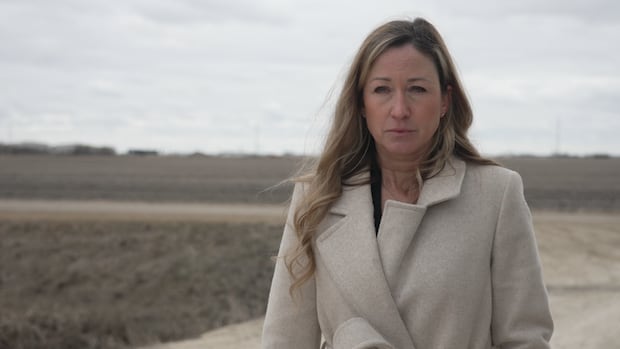
A southern Manitoba landowner has raised serious concerns about the AI data centre environmental impact that a proposed facility could bring to her rural community. Fern McFarlane, who lives near Morden, Manitoba, fears that a massive artificial intelligence data centre development could transform the quiet agricultural landscape she has called home for over three decades.
The concerns highlight a growing tension across North America as tech companies seek rural locations for energy-intensive AI infrastructure. While these facilities promise economic benefits, residents like McFarlane question whether the trade-offs are worth it.
Proposed Data Centre Raises Community Alarm
The Rural Municipality of Stanley has been in discussions regarding a potential AI data centre project that could occupy a significant footprint near existing farmland. McFarlane, whose property sits close to the proposed development zone, discovered the plans through community channels rather than official notification.
“This isn’t just about one property or one family,” McFarlane explained to local media. She emphasized that the environmental consequences of such facilities extend far beyond their physical boundaries.
Data centres supporting artificial intelligence workloads require enormous amounts of electricity and water for cooling systems. Industry reports indicate that a single large-scale AI data centre can consume as much water as a small city.
Water Usage Concerns Take Center Stage
One of McFarlane’s primary concerns involves the facility’s potential water consumption. AI data centres generate substantial heat from thousands of servers running complex computations around the clock. Cooling these systems typically requires millions of gallons of water annually.
Southern Manitoba’s agricultural community depends heavily on groundwater resources. Farmers in the region worry that a major data centre could compete directly with their irrigation needs during critical growing seasons.
“We’re already dealing with climate unpredictability,” McFarlane noted. Adding another major water consumer to the region could strain resources that local producers have relied upon for generations.
Energy Demands and Grid Stability Questions
Beyond water, the electricity requirements of AI data centres present another challenge. Manitoba Hydro currently provides some of North America’s cleanest and cheapest hydroelectric power, making the province attractive to tech developers.
However, residents question whether the existing grid can accommodate such intensive demand without impacting service reliability or rates for existing customers. A single AI-focused facility can draw power equivalent to tens of thousands of homes.
The provincial government has expressed interest in attracting technology investments, but critics argue that rushing such developments without thorough environmental assessments could create long-term problems.
Noise, Traffic, and Quality of Life
McFarlane also raised concerns about noise pollution and increased traffic that typically accompany industrial-scale data operations. Large cooling systems run continuously, generating low-frequency sounds that can travel considerable distances across flat prairie terrain.
Construction phases often bring heavy truck traffic to rural roads not designed for such loads. Ongoing operations require regular equipment deliveries and staff transportation, permanently altering the character of quiet farming communities.
“People move to rural areas for a reason,” McFarlane observed. The peaceful atmosphere that drew families to the region could disappear if industrial development proceeds without adequate planning.
Lack of Community Consultation Frustrates Residents
Perhaps most troubling to McFarlane is what she perceives as insufficient public engagement from municipal officials and developers. She argues that residents deserve detailed information about potential impacts before decisions move forward.
Transparent communication about water withdrawal permits, environmental assessments, and mitigation strategies would help community members make informed judgments. Without such openness, distrust grows.
Municipal leaders in the RM of Stanley have indicated they are exploring economic development opportunities but have released limited specifics about any active negotiations. This information gap fuels speculation and concern among longtime residents.
Economic Benefits Versus Environmental Costs
Proponents of data centre development point to job creation and tax revenue as compelling reasons to welcome such projects. Large facilities can employ hundreds of workers in technical and support roles while contributing substantially to local tax bases.
However, critics note that AI data centres are increasingly automated, requiring fewer permanent staff than traditional industrial employers. The economic benefits may not materialize as promised while environmental costs remain certain.
McFarlane and other concerned residents are not necessarily opposed to all development. They simply want assurances that proper due diligence will protect their land, water, and way of life.
The Broader Context of AI Infrastructure Expansion
Manitoba’s situation reflects a continental trend as technology companies scramble to build AI infrastructure. The explosive growth of generative AI applications has created unprecedented demand for computing power, driving developers to seek locations with cheap energy and available land.
Rural communities across Canada and the United States face similar decisions about hosting these facilities. Some have welcomed the investment, while others have pushed back against inadequate environmental protections.
The decisions made today will shape these communities for decades. McFarlane hopes that her voice, and those of her neighbors, will factor into whatever choices local officials ultimately make.
The concerns raised by Fern McFarlane underscore the complex trade-offs communities face when evaluating AI data centre proposals. While economic development opportunities hold appeal, the potential environmental impact on water resources, energy systems, and quality of life demands careful consideration. Residents deserve transparent information and meaningful input before transformative decisions reshape their communities. As AI infrastructure expands across North America, finding the right balance between progress and protection will remain a critical challenge for rural municipalities everywhere.
