


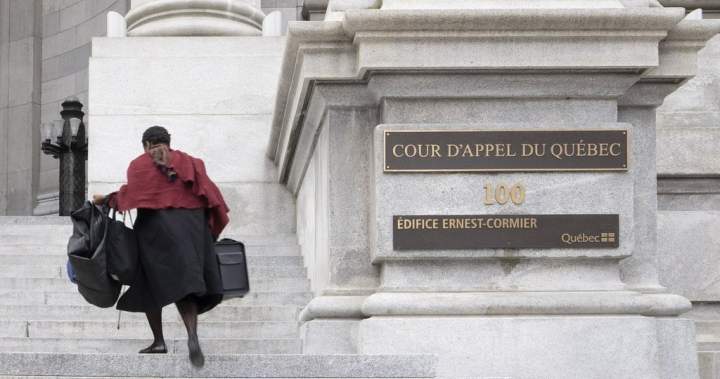
In a significant legal development, Quebec’s Court of Appeal has determined that the mandatory one-year prison sentence for distributing child sexual abuse material violates constitutional protections against cruel and unusual punishment.
The ruling emerged from a case involving a man who admitted guilt in 2018 to charges of possessing, accessing, and distributing such illegal content. The court’s three-judge panel concluded that imposing the standard 12-month incarceration would be disproportionate given the defendant’s intellectual disability and mental health challenges.
Justice Mark Schrager emphasized in the written decision that confining this particular offender would ignore the fundamental principle of individualized sentencing and demonstrate excessive harshness that could ultimately hinder his ability to reintegrate into society. The court pointed to extensive research and Supreme Court precedents showing that imprisonment causes particularly harmful effects on individuals with intellectual limitations.
The case involved disturbing details, including the defendant’s admission to possessing over 600 images and 150 videos depicting abuse of children aged three to thirteen, as well as sharing 73 files through a messaging platform. Despite the serious nature of the offenses, the court reduced the sentence to six months of community service with probation and strict conditions.
This decision follows a similar Supreme Court ruling last year that struck down mandatory minimum sentences for accessing or possessing such material. Both courts have recognized that rigid sentencing requirements can lead to constitutionally problematic outcomes when applied to vulnerable offenders with diminished mental capacity.
