


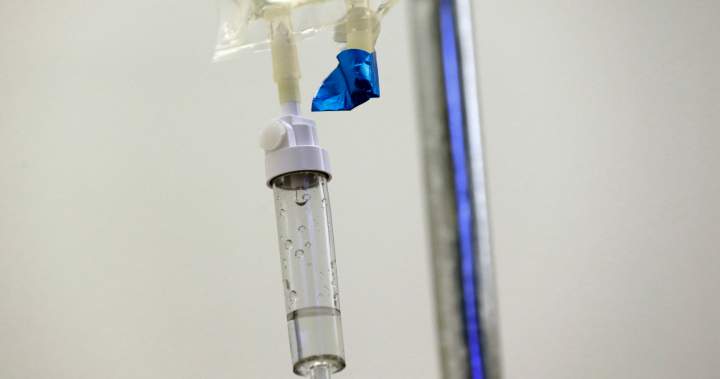
Health experts are sounding the alarm about a dramatic increase in cancer diagnoses expected over the coming decades. According to a new World Health Organization report, annual cancer cases worldwide could jump from approximately 20 million currently to nearly 35 million by 2050, creating what medical professionals are calling a ‘cancer tsunami.’
Canadian doctors are already witnessing early signs of this trend. Dr. Peter Stotland, chief of surgery at North York General Hospital, confirmed that hospitals across the country are treating growing numbers of cancer patients. The increase is being driven by an aging population, with lung, prostate, and colorectal cancers expected to rise significantly in the years ahead.
Perhaps more concerning is the emergence of cancer cases among younger populations. Medical professionals report seeing more young adults diagnosed with colorectal cancer, creating what could become a dual challenge for healthcare systems already struggling with limited resources and workforce shortages. Dr. Isabelle Soerjomataram from the WHO’s Cancer Surveillance Branch acknowledged that healthcare infrastructure is not prepared to handle the anticipated surge in demand.
The impact of cancer extends far beyond individual patients. WHO researchers estimate that approximately 92 percent of the global population is touched by cancer through family members, caregivers, or close friends. Toronto resident Nadia Headley experienced this reality firsthand when she was diagnosed with stage 3 breast cancer at age 30 while caring for her young daughter. Now cancer-free, she continues managing long-term treatment effects like lymphedema.
While prevention efforts have helped reduce certain types of cancer, rising obesity rates and other lifestyle factors continue to drive overall case numbers higher. Health authorities emphasize that increased investment in prevention, early detection, and healthcare workforce development will be critical to addressing this growing public health challenge.
