


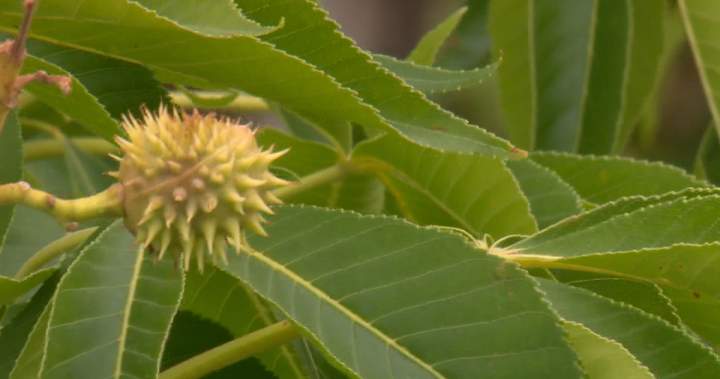
Pet owners in the northwest Calgary neighborhood of Cambrian Heights are raising alarms about a potential hazard lurking in their local dog park. Ohio Buckeye trees, planted by the city to provide shade and seasonal beauty, are producing nuts that can be toxic to dogs and other pets if consumed.
The issue came to light on July 15, 2026, as community members expressed growing frustration over what they perceive as inadequate response from municipal authorities regarding the safety of their four-legged companions in public spaces.
Community Leaders Voice Concerns About Tree Toxicity
Daryl Connolly, president of the Cambrian Heights Community Association, revealed that residents have been flagging this issue for some time. According to Connolly, the community has attempted to work with city officials to address the potential danger, but their concerns have largely been dismissed.
“Some residents have reported in the past, these trees being potentially hazardous to their dogs. We’ve passed that comment on to parks, and the response has been that their specialist in tree planting are aware of the issue but obviously don’t think it’s a major concern or concern enough to do anything about the trees.”
The Ohio Buckeye tree is known for its attractive appearance and ability to transform with the changing seasons. However, the nuts it produces contain toxins that can cause serious health problems for animals that ingest them.
Veterinarians Warn of Serious Health Risks
Dr. Julie Schell, a veterinarian at Bow Bottom Veterinary Hospital, emphasized the importance of thoughtful urban planning when it comes to vegetation in areas frequented by pets. She stressed that what appears beautiful to the human eye may pose hidden dangers to animals.
According to veterinary experts, pets that consume Ohio Buckeye nuts may experience the following symptoms:
- Vomiting and gastrointestinal distress
- Diarrhea that can lead to dehydration
- More complicated medical issues requiring emergency treatment
- Potential long-term health complications if not treated promptly
Dr. Schell advocates for a more collaborative approach to urban forestry decisions, suggesting that municipalities should consult with various specialists before planting potentially hazardous vegetation in public spaces.
“We need to be thinking thoroughly and proficiently because everything might look beautiful, to see some of these flowers. It might look safe and beautiful at certain times of the year but we have to watch what’s going to happen year round,” Dr. Schell explained. “Especially during the fall harvest when the leaves and the nuts and the berries together are on the ground, so it’s important to work together with ecologists, agriculturists, veterinarians.”
City of Calgary Responds to Safety Concerns
The City of Calgary addressed the concerns in an official statement, explaining that biodiversity is a key goal in urban forestry management. City officials acknowledged that some trees and plants have naturally occurring toxic traits but maintained that the risk of incidents is minimal.
The municipality emphasized that pet owners bear responsibility for monitoring their animals in public spaces. City representatives encouraged vigilance and discouraged pets from consuming any foreign objects, particularly in areas where diverse vegetation is present.
What Pet Owners Should Do
For residents who frequent the Cambrian Heights dog park or other areas where Ohio Buckeye trees may be present, veterinarians recommend the following precautions:
- Keep dogs on leash or under close supervision near trees
- Learn to identify Ohio Buckeye trees and their nuts
- Prevent pets from sniffing or consuming fallen nuts and debris
- Contact a veterinarian immediately if ingestion is suspected
- Be prepared to describe symptoms and timeline to veterinary staff
If a pet owner suspects their animal has eaten an Ohio Buckeye nut, Dr. Schell recommends calling their veterinarian immediately. While some symptoms can be assessed over the phone, most incidents require a visit to the clinic where professionals can induce vomiting to remove the toxins from the animal’s system.
The debate highlights the ongoing tension between urban beautification efforts and pet safety in Canadian cities. As more families include pets as integral members of their households, the demand for pet-friendly public spaces continues to grow, challenging municipalities to balance aesthetic goals with practical safety considerations.
