


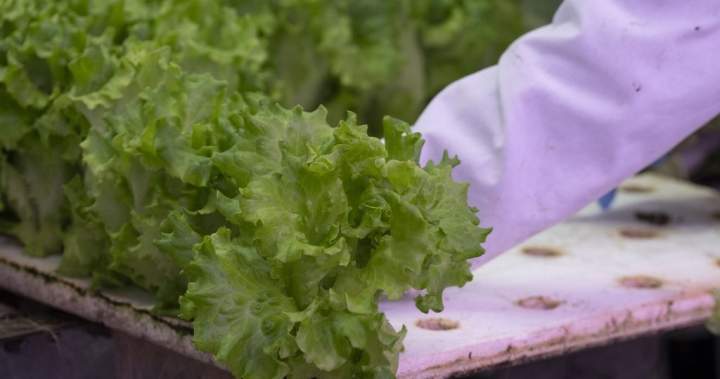
A rapidly spreading intestinal illness in the United States has prompted concerns among Canadian consumers about the safety of imported fresh produce. Cyclosporiasis, caused by the cyclospora parasite, has infected thousands of Americans in recent weeks, leading many to question whether Canada should implement restrictions on produce imports from its southern neighbor.
The Current Situation in the United States
According to data released by the Centers for Disease Control and Prevention (CDC) on July 13, 2026, a total of 1,645 laboratory-confirmed cases of cyclosporiasis have been reported across 34 American states. Of these cases, 141 individuals required hospitalization after consuming contaminated food within the United States.
The outbreak has shown alarming growth rates. Just four days earlier, on July 9, health authorities had recorded 843 cases across 31 states with 86 hospitalizations. This rapid increase has put health agencies on high alert, though the CDC acknowledges that actual case numbers are likely higher than official reports indicate.
- Michigan Department of Health and Human Services has reported 3,762 total cases
- Ohio’s Department of Health recorded 177 cases as of July 2, 2026
- 34 states have confirmed cases of the illness
- Investigations to identify the source remain ongoing
What makes this outbreak particularly concerning is that affected individuals did not report any travel during the 14 days before becoming ill, suggesting the contamination source is domestic to the United States.
Canada’s Response and Current Status
Despite the growing concern south of the border, Canadian health authorities are taking a measured approach. The Canadian Food Inspection Agency has confirmed it is not currently considering any restrictions on fresh produce imports from the United States.
“There is usually an increase in cyclospora infections acquired in Canada linked to consuming fresh fruit and vegetables imported from other countries during the spring and summer,” stated the Public Health Agency of Canada in response to media inquiries.
The Public Health Agency of Canada (PHAC) has indicated that no Canadian cyclosporiasis outbreaks are currently under investigation. However, the agency noted that cyclosporiasis is a nationally notifiable disease across all provinces and territories, with case information shared on an annual basis.
Provincial Case Reports Across Canada
A survey of provincial health departments reveals a relatively calm situation across the country, though some cases have been reported:
- Northwest Territories: No cases reported in 2026
- Nova Scotia: No cases reported in 2026
- New Brunswick: No cases reported in 2026
- Prince Edward Island: No cases reported in 2026
- Alberta: Five cases as of July 13, with no recent travel to the United States
- Nunavut: Five laboratory-confirmed cases with no evidence linking them to the US outbreak
- Ontario: Two cases reported in March 2026
- Manitoba: One case currently under investigation
Quebec media outlets have reported rising case numbers in that province, though officials have not established any clear connection to the American outbreak. The provincial health ministry has not yet provided an official statement on the matter.
Understanding Cyclosporiasis and Prevention
Cyclosporiasis is an intestinal illness caused by ingesting food or water contaminated with the cyclospora parasite. The infection is most commonly associated with fresh produce, particularly items like raspberries, basil, cilantro, and leafy greens that are difficult to wash thoroughly.
Health experts recommend several precautions for consumers concerned about the illness:
- Wash all fresh produce thoroughly under running water before consumption
- Consider the source of your fruits and vegetables when shopping
- Be aware that the parasite cannot be eliminated by freezing
- Seek medical attention if you experience watery diarrhea, loss of appetite, weight loss, or fatigue
- Remember that symptoms may appear one week or more after consuming contaminated food
For the Latin community in Canada, many of whom regularly purchase fresh produce for traditional recipes, staying informed about food safety developments remains important. While Canadian authorities have not issued any warnings or restrictions, consumers should continue practicing good food hygiene and monitor official health communications for any updates regarding this ongoing situation in the United States.
