


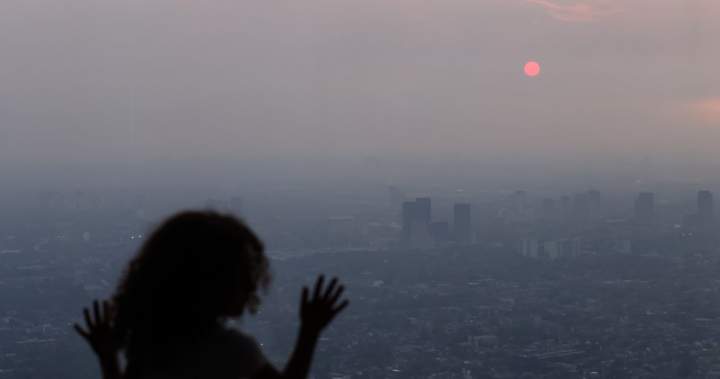
As wildfire smoke continues to blanket parts of Canada, health experts are sounding the alarm about dangers that extend far beyond respiratory issues. On July 17, 2026, researchers and medical professionals are warning that the tiny particles found in wildfire smoke can actually penetrate the brain, leading to serious cognitive consequences.
How Wildfire Smoke Reaches Your Brain
The fine particulate matter known as PM2.5 — microscopic particles measuring just 2.5 micrometers or less — poses a unique threat because of its incredibly small size. These particles are so minuscule that they can travel deep into the lungs and cross biological barriers that normally protect our most vital organs.
Dr. Bhavini Gohel, a clinical associate professor at the University of Calgary’s O’Brien Institute for Public Health, explains that these dangerous particles have multiple pathways to reach the brain. They can slip directly into the bloodstream from the lungs, or they can travel through the nasal passages and reach brain tissue directly.
“Before we were very focused on the lungs, but now we’re starting to understand more and more the effects that we’re seeing on the actual brain, and it really is sort of mainly cognitive.”
When these toxins reach brain tissue, they trigger inflammation that can manifest as brain fog, difficulty concentrating, and persistent headaches. However, the immediate symptoms are just the beginning of what could become a much more serious health crisis.
Long-Term Cognitive Consequences
The cumulative effects of repeated exposure to wildfire smoke are particularly alarming. Research published in May 2026, which examined nearly 7,000 middle-aged adults across Canada, found a troubling correlation between air pollution exposure and cognitive performance. Participants living in areas with higher levels of air pollution consistently scored worse on memory tests compared to those in cleaner environments.
Dr. Abo Akintan, medical director at multiple long-term care facilities in Toronto, emphasizes that the particles disrupt the brain’s ability to process and transfer information effectively. This disruption can lead to noticeable cognitive changes that worsen over time.
According to Dr. Akintan, prolonged exposure over weeks, months, or years has been definitively linked to the development of dementia and other serious cognitive impairments. This is particularly concerning for Canadians who may face repeated wildfire seasons with increasingly poor air quality.
Who Faces the Greatest Risk?
While everyone is vulnerable to the effects of wildfire smoke, certain populations face heightened risks due to chronic exposure patterns:
- Individuals living in lower socio-economic areas with less access to air filtration systems
- Communities located in regions prone to frequent wildfire activity
- Outdoor workers who cannot avoid prolonged exposure
- Elderly individuals, particularly those in care facilities
- People with pre-existing respiratory or cardiovascular conditions
Dr. Akintan notes that populations with greater exposure to wildfires show significantly higher rates of cognitive impairment and dementia, highlighting the urgent need for protective measures in vulnerable communities.
Protecting Yourself and Your Family
Health experts recommend several strategies to minimize exposure and protect brain health during wildfire smoke events:
- Stay indoors as much as possible when air quality warnings are in effect
- Keep windows and doors closed to prevent smoke from entering your home
- Use high-quality air purifiers with HEPA filters in living spaces
- Create a designated clean air room in your home during severe smoke events
- Wear N95 masks when outdoor exposure is unavoidable
- Monitor local air quality indices regularly through official channels
- Seek out cooling centers and clean air shelters during extended smoke events
Long-term care facilities across Toronto have already implemented protective measures, including opening cooling areas and deploying air purifiers throughout their buildings. These precautions are especially critical for elderly residents who may be more susceptible to cognitive effects.
A Growing Health Crisis
As climate change continues to intensify wildfire seasons across Canada, the health implications are becoming increasingly difficult to ignore. What was once considered primarily a respiratory concern has now expanded to include serious neurological risks that could affect millions of Canadians.
Dr. Gohel, who serves as medical lead for the Climate Health System Alliance, urges residents to take air quality warnings seriously and implement protective measures immediately when smoke is present. The invisible threat posed by PM2.5 particles demands a proactive approach to safeguarding both physical and cognitive health.
For the Latin community in Canada, many of whom work in outdoor industries or live in areas affected by poor air quality, understanding these risks and taking preventive action is essential. Protecting your brain health during wildfire season is not just about comfort — it is about preserving your cognitive function for years to come.
