


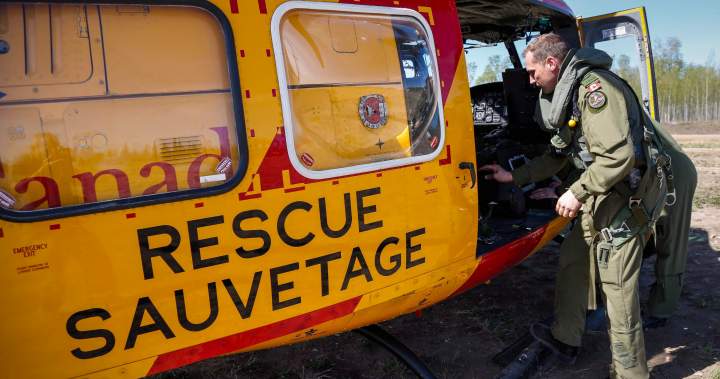
As devastating wildfires continue to ravage northern Ontario, the Canadian Armed Forces have been placed on full standby, prepared to provide critical assistance should provincial authorities request additional support. Defence Minister David McGuinty confirmed on July 17, 2026, that military personnel and equipment are ready to deploy at a moment’s notice.
Military Awaits Formal Request from Provincial Authorities
Minister McGuinty revealed that while the armed forces remain prepared for immediate action, no formal request for military intervention has been received from the province. The minister for emergency preparedness has maintained constant communication with Ontario officials for approximately two weeks, anticipating the escalating crisis.
“We’re on standby. Our personnel’s on standby. Equipment’s on standby. But we are helping under other authorities now to airlift people out, to move people out. We’re waiting for a more formalized ask.”
The Defence Minister emphasized that current assessments indicate provincial and federal emergency preparedness departments appear capable of managing the situation. However, he made clear that Canada’s military stands ready to provide direct and immediate support whenever called upon, as they have always done during national emergencies.
Devastating Impact on Northern Ontario Communities
The scope of the current wildfire crisis is staggering, with officials reporting alarming statistics across the affected regions:
- 136 active fires currently burning in the northwest region
- 63 fires classified as out of control in the northwest
- 44 additional fires burning in the northeast region
- Multiple communities forced to evacuate, including Indigenous nations
- Widespread smoke affecting air quality across multiple provinces
Among the hardest-hit communities is Namaygoosisagagun First Nation, also known as Collins First Nation, located north of Thunder Bay. The flames have already razed significant portions of this Indigenous community, forcing residents to flee their homes and seek safety elsewhere.
National Response and Interprovincial Cooperation
The crisis has prompted a coordinated national response, with multiple levels of government and neighboring provinces stepping up to provide assistance. Both the Ontario government and the Assembly of First Nations have formally called upon Ottawa to deliver immediate support to affected communities.
Alberta has already deployed firefighters and water bombers to assist with suppression efforts, demonstrating the interprovincial solidarity that characterizes Canadian emergency response. Prime Minister Mark Carney has stated that his government maintains close contact with Ontario counterparts and stands ready to provide whatever assistance becomes necessary.
Weather Conditions Offer Mixed Outlook
Meteorological developments on July 17, 2026, brought both hope and concern to firefighting efforts. Heavy rainfall began falling over some fire zones in northwest Ontario, providing temporary relief to exhausted firefighting crews. However, weather experts caution that the precipitation will not be sufficient to extinguish the blazes entirely.
The rainfall is expected to accomplish several important objectives:
- Limit the spread of existing fires
- Reduce the massive amounts of smoke affecting air quality
- Provide respite for firefighting operations
Unfortunately, the same storm systems have also produced new lightning strikes in the region, creating the potential for additional fires to ignite. This dual nature of the weather conditions underscores the unpredictable challenges facing emergency responders.
Air Quality Concerns Extend Beyond Ontario
The environmental impact of these wildfires extends far beyond the immediate fire zones. The Ontario wildfires have triggered air quality warnings as far away as Winnipeg, Manitoba, as smoke plumes drift across provincial boundaries. Environment Canada reports that hazy, smoky conditions in some areas could temporarily improve, while others may experience poor air quality persisting through the weekend.
Residents across affected regions are advised to monitor local air quality advisories and take appropriate precautions, particularly those with respiratory conditions or other health vulnerabilities. The widespread smoke serves as a stark reminder of how wildfire impacts can affect communities hundreds of kilometers from the actual flames.
For the Latin community across Canada, particularly those with family or business connections to northern Ontario, staying informed about evacuation orders and emergency resources remains essential as this crisis continues to unfold.
