


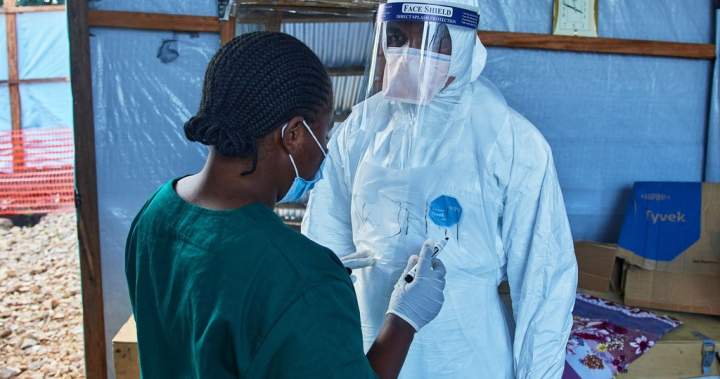
The Canadian government has taken decisive action to protect public health by implementing a temporary entry ban on foreign nationals who have visited the Democratic Republic of Congo within the past 21 days. The Public Health Agency of Canada announced this significant measure on July 19, 2026, with the restriction taking effect the following day at 11:59 p.m.
New Border Measures to Combat Ebola Spread
This latest measure represents a significant escalation from previous policies. In May, the government had required travelers from Ebola-affected regions to undergo a 21-day self-isolation period. However, the rapidly evolving situation in the DRC has prompted authorities to take more stringent action to prevent the deadly virus from reaching Canadian soil.
Under the new regulations, commercial and private air carriers are now obligated to prevent foreign nationals who have recently visited the DRC from boarding any flights destined for Canada. This creates an additional layer of protection at the point of departure rather than relying solely on arrival screening.
“Limiting entry of foreign nationals who have been in the DRC in the previous 21 days may reduce public health risks for Canadians and is intended to increase the effectiveness and sustainability of border measures that can safely process travelers arriving in Canada, including our returning humanitarian workers,” the Public Health Agency of Canada stated in its official release.
Alarming Outbreak Statistics Drive Decision
The current Ebola outbreak has become the third largest on record, but what concerns health officials most is its unprecedented rate of expansion. According to PHAC, the outbreak has spread faster in the last month than any previous occurrence of the disease.
The numbers paint a troubling picture:
- 2,181 confirmed Ebola cases have been recorded to date
- 864 deaths have been attributed to the outbreak
- Model-based forecasts predict approximately 3,200 cumulative cases by the end of July
- Up to 1,330 deaths are projected for the same period
- Case numbers are currently doubling every 21 days
Health officials noted that these figures are particularly concerning when compared to the 2018-19 outbreak, which took ten months to reach 2,000 confirmed cases. The current outbreak has reached that threshold in a fraction of the time, indicating a more aggressive spread pattern.
Challenges in Tracking and Treatment
The situation is further complicated by significant gaps in surveillance and healthcare access within the affected region. PHAC reports that more than 80 percent of cases in the DRC have been detected outside of known contact lists, making traditional contact tracing methods largely ineffective.
Additionally, close to 60 percent of deaths occurring in communities involve individuals who never received care at a healthcare facility. This suggests that many cases go unreported and untreated, potentially contributing to further transmission within local communities.
Who Can Still Enter Canada
The entry ban specifically targets foreign nationals and does not apply to all travelers. The following individuals who have visited the DRC, South Sudan, or Uganda within the past 21 days will still be permitted to enter Canada:
- Canadian citizens
- Permanent residents
- Persons registered under the Indian Act
However, these returning travelers will not be exempt from health precautions. They will receive a comprehensive health assessment upon arrival and must comply with a mandatory 21-day self-isolation period to ensure they do not develop symptoms or pose a risk to others.
Travel Patterns and Risk Assessment
Government officials have noted that approximately 350 people from the DRC, Uganda, and South Sudan arrive in Canada each week on average. The majority of these travelers land at major international airports in Toronto, Montreal, and Vancouver.
Of these arrivals, roughly 60 percent are Canadian citizens or permanent residents returning home, while approximately 40 percent are foreign nationals. The new measures specifically target this latter group while maintaining pathways for Canadians to return home safely with appropriate health monitoring.
It is worth noting that while the DRC faces the entry ban, the measure does not currently extend to South Sudan and Uganda, despite those countries remaining on the self-isolation requirement list from May. This suggests Canadian authorities are taking a proportional approach based on the specific risk levels in each region.
International Coordination on Ebola Response
Canada’s decision aligns with similar actions taken by its closest ally. The United States Centers for Disease Control and Prevention, along with the Department of Homeland Security, implemented an entry ban on May 22, 2026, affecting foreign travelers who had been in Congo, Uganda, or South Sudan within the previous 21 days.
This coordinated approach between North American nations demonstrates the seriousness with which health authorities are treating the current outbreak and their commitment to preventing international spread of the disease. For the Latin community in Canada with family or business ties to affected regions, staying informed about these evolving restrictions remains essential for travel planning and maintaining connections with loved ones abroad.
