


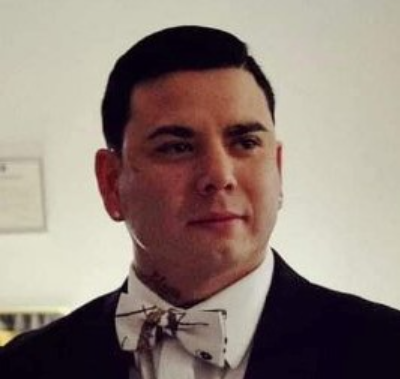
A public inquest commenced on July 21, 2026, at the Court of King’s Bench in Prince Albert, Saskatchewan, to examine the circumstances surrounding the death of a local man following a confrontation with police officers that involved multiple uses of force.
The case centers on Boden Umpherville, a 40-year-old Prince Albert resident who died after being forcibly removed from a vehicle during a traffic stop that escalated dramatically near the 1200 block of 13th Street West on April 1, 2023. Officers deployed tasers, batons, and pepper spray during the incident, which has raised significant questions about police practices and accountability.
What Happened During the Fatal Traffic Stop
According to testimony presented at the inquest, police initially stopped the vehicle because it had been reported stolen. During their investigation, officers discovered that Umpherville, who was a passenger in the vehicle rather than the driver, had outstanding warrants for his arrest related to drug charges and breach of release conditions.
The situation rapidly deteriorated when officers attempted to remove Umpherville from the vehicle. An emergency button alert was issued by one of the officers, triggering a response from every officer on duty at the time. The confrontation resulted in Umpherville sustaining severe injuries that would ultimately prove fatal.
Following the incident, Umpherville was transported to hospital where medical staff fought to save his life. Despite spending weeks on life support, he eventually succumbed to his injuries, leaving behind a grieving community and numerous unanswered questions about what transpired that day.
SIRT Investigation Findings and Testimony
Kevin Montgomery, an investigator with the Serious Incident Response Team (SIRT), was the first witness called to testify at the inquest. His description of the scene painted a picture of extreme chaos and confusion during the confrontation with Umpherville.
“Complete chaos” is how Montgomery characterized the scene, adding that “the amount of force was reflective of the amount of effort to flee.”
The SIRT investigation, which is an independent body that examines incidents involving police, originally concluded that there was no criminal wrongdoing by the officers involved. However, the public inquest represents an opportunity to examine the incident more thoroughly and potentially identify areas where police practices could be improved.
Police Department Response and Commitment to Change
Prince Albert Police Service Deputy Chief Farica Prince acknowledged the profound impact that Umpherville’s death has had on the entire community, including members of the police force themselves. Her statements suggest an openness to learning from this tragic incident.
“The death of Boden has impacted all corners of our community, including our organization. It’s been a difficult process, to even lead us here today to the start of this inquest,” stated Deputy Chief Prince. “We’re always open to exploring how policing as a profession can do better in terms of practices or policies. And if we’re able to identify some ways that we can do that this week, then we’re open to that.”
This commitment to potential reform signals that the police service recognizes the importance of the inquest process and the need to examine whether current procedures adequately protect both officers and members of the public during confrontational situations.
What to Expect as the Inquest Continues
The inquest is scheduled to continue throughout the week, with several key witnesses expected to provide testimony that will help piece together a complete picture of the events leading to Umpherville’s death. Upcoming witnesses include:
- A forensic pathologist who will provide medical testimony about Umpherville’s injuries and cause of death
- Police officers who were present during the incident and can provide firsthand accounts
- Additional investigators who examined the scene and evidence
The proceedings represent an important moment for accountability and transparency in policing within the Prince Albert community. For members of the Latin community in Canada who may have concerns about police interactions, this case highlights the importance of independent oversight mechanisms and public inquests in examining incidents involving use of force.
The outcome of this inquest could potentially lead to recommendations for changes in police training, policies, or procedures that might prevent similar tragedies in the future. Community members are watching closely as the proceedings unfold, hoping for answers and meaningful reforms that honor Umpherville’s memory.
