


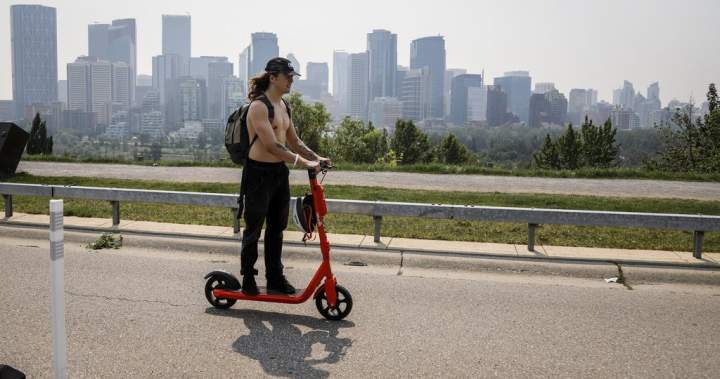
The 2026 wildfire season in Alberta is showing promising signs of improvement, with officials reporting a significant decrease in the number of active blazes compared to the previous five years. However, residents across the province continue to face challenges with poor air quality as smoke from various sources drifts through communities.
Current Wildfire Situation in Alberta
According to Alberta Wildfire’s report on July 21, 2026, the province had only 13 active wildfires. Of these, twelve were classified as under control, while one was being held, meaning authorities expect it to remain within its current boundaries. This represents a notable improvement from previous years when the province faced significantly more challenging fire conditions.
The favorable conditions have allowed Alberta Wildfire to deploy resources to assist other provinces and territories facing their own fire emergencies. This interprovincial cooperation demonstrates the collaborative approach Canadian authorities take when managing wildfire crises across the country.
“We have about 95 wildfire fighters and some aircraft in Ontario. We’ve got aircraft and about 70 crew members and support staff in the Northwest Territories and about 81 people in Quebec helping out as well,” explained Derrick Forsythe, Wildfire Information Officer with Alberta Wildfire.
Recent Rainfall Provides Relief But Air Quality Remains Problematic
Recent rainstorms sweeping through Alberta have played a crucial role in keeping many potential blazes at bay. The precipitation has helped reduce fire risk levels and provided firefighting crews with much-needed support in their containment efforts. Despite this welcome relief, air quality issues continue to plague several areas of the province.
Communities experiencing the worst air conditions include:
- Fort Chipewyan – measuring 10+ on the Air Quality Index
- Grande Prairie – also recording 10+ on the Air Quality Index
- Various other communities throughout northern Alberta
A reading of 10+ represents the highest ranking for poor air quality, indicating conditions that can be hazardous to human health, particularly for vulnerable populations such as the elderly, children, and those with respiratory conditions.
Understanding Air Quality Monitoring in Alberta
The Calgary Region Airshed Zone plays a vital role in tracking and monitoring air quality data throughout the city. The organization operates three monitoring hubs strategically placed across Calgary, measuring air quality in various environments including urban and industrial areas to capture comprehensive average readings.
While monitoring cannot change the actual air quality conditions, officials emphasize that having accurate data is essential for public safety and informed decision-making. Residents are encouraged to check air quality readings before planning outdoor activities, especially during wildfire season.
“You really do want to pay attention to that number if you’re planning to be outside. I know most sports leagues in Calgary have that at a 7, they will cancel games. That’s very proactive on their part,” stated Jill Bloor, Executive Director of the Calgary Region Airshed Zone.
What Residents Should Know Moving Forward
Forecasters predict that most affected areas will return to a low risk level 3 by Wednesday evening, providing some relief for communities currently experiencing poor air quality. The smoke is expected to drift away from populated areas in the coming days.
However, officials are urging residents not to become complacent. Despite the current favorable conditions, wildfire season is far from over, and conditions can change rapidly. Key precautions residents should consider include:
- Monitoring daily air quality reports before outdoor activities
- Keeping windows closed during high smoke periods
- Having an emergency evacuation plan ready
- Following local fire bans and restrictions
- Reporting any signs of wildfire immediately to authorities
The Latin community in Canada, particularly those living in Alberta, should stay informed about local conditions and air quality levels. For those with pre-existing health conditions, it is advisable to consult with healthcare providers about appropriate precautions during periods of poor air quality.
Looking Ahead to the Remainder of the Season
While the current statistics offer reasons for cautious optimism, authorities remind Albertans that summer and early fall typically represent the most active periods for wildfires. Climate conditions can shift quickly, and dry spells following wet periods can create dangerous fire conditions as vegetation dries out.
The deployment of Alberta firefighters to other provinces also highlights the national scope of wildfire challenges facing Canada. Communities across the country continue working together to protect lives, property, and natural resources from the devastating effects of wildfires.
