


As scorching temperatures continue to grip the Okanagan region, a pressing question emerges for thousands of British Columbia workers: at what point does the heat become too dangerous to continue working? A newly released report is demanding urgent action to protect workers from increasingly severe summer conditions.
Outdated Regulations Put Workers at Risk
According to researchers at BC Policy Solutions, the province’s heat exposure regulations have remained largely unchanged since 2005, failing to keep pace with the growing frequency and intensity of extreme heat events. The report highlights a concerning spike in heat-related workplace illness claims following the devastating 2021 heat dome, which claimed numerous lives across the province.
For outdoor workers such as roofers, construction crews, and agricultural laborers, the dangers of working under the blazing sun are a daily reality. These workers have developed their own survival strategies, but many argue that official protections are long overdue.
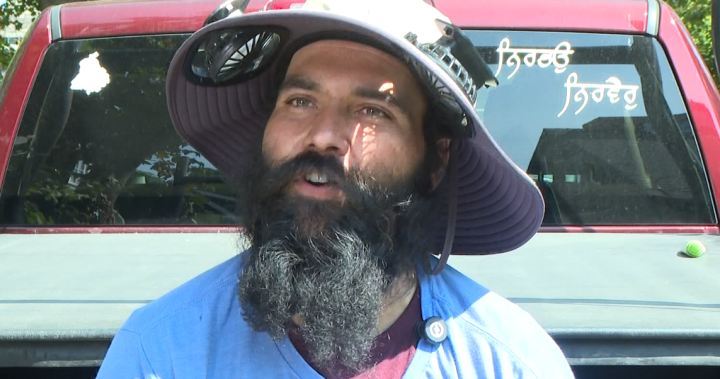
“We get really drained on the roof. We try to drink as much water as possible, or Gatorade, anything with electrolytes. We try to stay as hydrated as possible,” explained Simranpreet Singh, a senior roofer with Pinnacle Roofing in Kelowna.
Victor Neilson, a site supervisor with the same company, emphasized how quickly heat-related symptoms can develop on the job. According to Neilson, dizziness and brain fog are the most common warning signs, and nearly every member of his crew has needed to take time off this year after working through extreme heat conditions.
Key Recommendations for Worker Safety
The BC Policy Solutions report outlines a comprehensive set of recommendations designed to better protect workers when temperatures climb to dangerous levels. These proposed measures go far beyond simply setting a maximum working temperature.
- Clear temperature triggers that automatically require employers to provide protective measures
- Mandatory access to water, shade, and paid rest breaks during extreme heat
- Required heat illness training for all outdoor workers
- Acclimatization plans for new and returning workers who may be more vulnerable
- Improved access to cool drinking water and washroom facilities
- Stronger enforcement of existing workplace safety regulations
- Special protections for vulnerable worker populations
- Hazard pay during extreme heat events
- Better housing conditions for migrant workers
WorkSafeBC has acknowledged the complexity of the issue, noting that worker safety depends on multiple factors beyond ambient temperature. Air circulation, radiant heat from surfaces like rooftops, and ventilation all play significant roles in determining a worker’s actual heat exposure risk.
Workers Develop Their Own Survival Strategies
Until official regulations are updated, outdoor workers across British Columbia continue to rely on their own methods to beat the heat. Roofing crews typically start their shifts as early as possible to take advantage of cooler morning temperatures. Frequent breaks in shaded areas have become standard practice, and many workers use soaked towels around their necks to help regulate their body temperature.
Singh noted that temperatures on rooftops can be approximately 10 degrees higher than ground level readings. Without any breeze, conditions become even more unbearable. Workers have become experts at reading the warning signs of heat exhaustion, knowing that recognizing symptoms early can prevent serious injury or worse.
The Growing Urgency for Action
Climate scientists predict that extreme heat events will become more frequent and intense in the coming years, making the need for updated workplace protections increasingly urgent. The 2021 heat dome served as a wake-up call for the province, demonstrating the deadly potential of prolonged extreme temperatures.
For the Latin community in Canada, many of whom work in outdoor industries such as agriculture, construction, and landscaping, these protections are particularly vital. Ensuring safe working conditions during extreme heat is not just a matter of comfort but of basic worker safety and human rights.
As the report makes clear, the time for action is now. Workers should not have to choose between their health and their livelihood when temperatures soar to dangerous levels. Until new regulations are implemented, outdoor workers will continue to rely on their own experience and vigilance to stay safe under the summer sun.
