


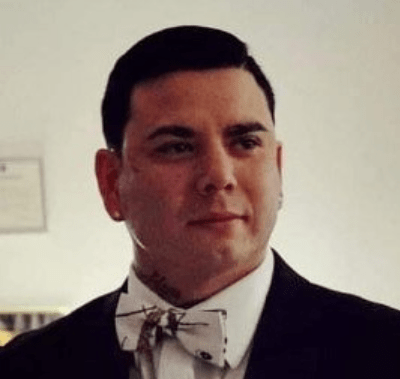
A coroner’s inquest examining the circumstances surrounding the death of a Saskatchewan man during a police arrest has concluded with significant recommendations aimed at reforming law enforcement practices. The jury delivered its findings on July 25, 2026, calling for substantial changes to how the Prince Albert Police Service conducts arrests and manages suspects in custody.
Key Recommendations from the Inquest Jury
The Saskatchewan inquest jury put forward several critical recommendations designed to prevent similar tragedies in the future. These measures focus on accountability, transparency, and improved protocols during police encounters with the public.
- Implementation of body-worn cameras for all officers during active duty
- Mandatory removal of keys from vehicles during traffic stops to prevent flight risks
- Requirement for at least one paramedic to remain with a patient upon arrival at any scene
- Review and update of internal policies regarding use of force
Prince Albert Police Service Deputy Chief Farica Prince acknowledged the gravity of the recommendations following the Saskatchewan inquest proceedings. The police leadership has committed to examining which measures can be feasibly implemented within their department.
“The SIRT investigation and now the inquest has led us to the point now where it’s going to be time to look at internal policies and to take the recommendations and see what we can implement, what’s feasible.”
Understanding the Circumstances of the Case
The Saskatchewan inquest examined the death of 40-year-old Boden Umpherville, whose passing on April 26, 2023, at Royal University Hospital in Saskatoon garnered significant public attention. The incident began during a traffic stop near the 1200 block of 13th Street West involving a reportedly stolen vehicle. What followed was captured on video and shared widely on social media, sparking community outrage and calls for accountability.
According to evidence presented during the Saskatchewan inquest, multiple officers used Tasers eleven times, deployed batons, utilized pepper spray, and employed a K9 unit during the arrest. The jury determined that Umpherville died from brain death following asphyxia and cocaine use, which caused cardiac arrest leading to significant oxygen deprivation to the brain. The means of death were classified as undetermined.
Conflicting Testimonies Raise Concerns
One of the most troubling aspects revealed during the proceedings involved contradictory accounts from witnesses. Saskatchewan’s chief forensic pathologist, Shaun Ladham, identified police use of force on April 1, 2023, as a possible contributing factor to Umpherville’s lack of oxygen. Dashcam footage showed the deceased stating “I cannot breathe” twice and calling for “help” five times without receiving medical assessment for seven minutes while restrained on his stomach.
Paramedic Chris Pacey testified that he observed Umpherville lying on his stomach with his hands cuffed behind his back, appearing to need immediate medical assistance. However, police officers testified they had rolled him onto his side after handcuffing him, creating a discrepancy in the official record.
“Any time there’s conflicting testimony, I’m concerned. And human memory can be frail, it can make mistakes, and memory can be fallible. But the video and audio doesn’t lie. We’ve got video.”
Family counsel Peter Abrametz expressed additional concerns about the Serious Incident Response Team investigation, noting that testimony appeared inconsistent regarding whether proper policies and procedures were followed during the original review.
What This Means for Communities in Canada
For Latin communities and all residents of Canada, cases like this Saskatchewan inquest highlight the importance of understanding your rights during police encounters. Knowing what to expect and how to document interactions with law enforcement can be crucial for personal safety and accountability.
- Remain calm and avoid sudden movements during traffic stops
- Clearly state any medical conditions or breathing difficulties
- Request medical attention immediately if needed
- Document encounters when safely possible
- Know your local community advocacy resources
The Saskatchewan inquest findings underscore the ongoing need for police reform across Canada. The implementation of body-worn cameras, which the jury recommended, has been shown in other jurisdictions to increase accountability and provide clearer evidence of what occurs during police encounters. For immigrant communities who may face language barriers or unfamiliarity with Canadian law enforcement practices, these reforms could provide additional protection and documentation.
Moving Forward with Policy Changes
The Prince Albert Police Service has indicated it will review its internal policies following the inquest. Family counsel Abrametz argued that such reviews should have occurred during the 2023 SIRT investigation, which found no criminal wrongdoing by police. The gap between that determination and the jury’s recommendations highlights the complex nature of police accountability in Saskatchewan and throughout Canada.
Community members interested in staying informed about police reform efforts can contact local advocacy organizations and attend public meetings where such policies are discussed. Active civic engagement remains one of the most effective ways to ensure that recommendations from inquests like this one translate into meaningful change.
