


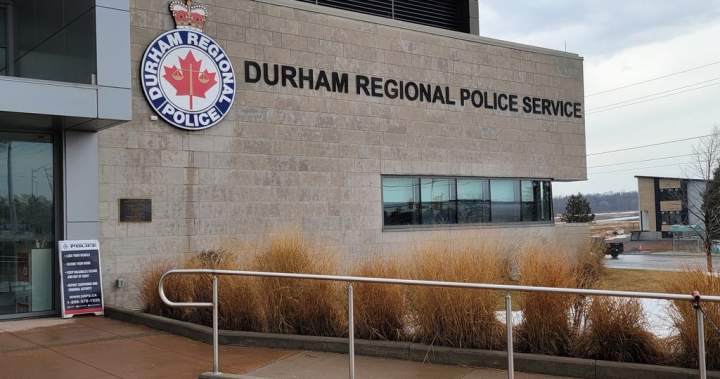
A police investigation has concluded that there are no grounds to lay criminal charges against Durham Regional Police officers who were accused of assaulting a lawyer at the Oshawa courthouse earlier this year. The decision, announced on July 29, 2026, has reignited discussions about police accountability and the treatment of racialized individuals within the Canadian justice system.
What Happened at the Oshawa Courthouse
The incident dates back to January 23, 2026, when lawyer Sudine Riley was working in an interview room at the Oshawa courthouse in Ontario. According to a statement issued through her legal counsel, uniformed Durham officers challenged her presence in the room and the situation quickly escalated into what she described as a violent confrontation.
Riley alleged that officers slammed her head on a desk and placed their knees on her back and neck. She stated she was then dragged out of the room, handcuffed, and taken to the courthouse cells, during which her headscarf was ripped off. She reported being left bleeding and swollen following the encounter.
Riley, who is Black, maintained that the treatment she received was both excessive and unjustified. Her allegations sent shockwaves through the legal community and prompted widespread calls for an independent investigation into the Durham officers involved in the incident.
The Investigation and Its Findings
Following the allegations, Durham Regional Police referred the matter to York Regional Police to conduct an independent investigation. This is a standard practice in Ontario when police officers face serious accusations, as it helps maintain objectivity and public trust in the investigative process.
After several months of investigation, York Regional Police concluded that there were no grounds to lay criminal charges against the Durham officers accused in the assault case. Durham Regional Police announced they have received these results and have now referred the matter to the Law Enforcement Complaints Agency to assess whether any misconduct occurred during the incident.
What This Means for Police Accountability in Canada
The decision not to charge the Durham officers has significant implications for ongoing discussions about police accountability across Canada. For members of racialized communities, including the Latin community, this case highlights important considerations about interactions with law enforcement.
Key points the community should understand include:
- Police investigations involving officers are typically conducted by external police services to ensure impartiality
- Even when criminal charges are not laid, misconduct investigations can still proceed through civilian oversight bodies
- The Law Enforcement Complaints Agency will now review whether the officers violated any professional standards
- Individuals who experience concerning interactions with police have the right to file formal complaints
- Legal representation is crucial when navigating disputes with law enforcement agencies
The Legal Community Response
The Criminal Lawyers’ Association, a national legal organization, was among the groups that called for an independent investigation following Riley’s allegations. The association emphasized the importance of protecting lawyers who work within the justice system and ensuring that courthouse environments remain safe for all legal professionals.
The case involving the Durham officers has drawn attention to the broader issue of how racialized professionals are treated within institutional settings. Legal experts across Canada have noted that incidents like this one, regardless of their outcome, underscore the need for continued dialogue about systemic issues within policing.
Know Your Rights When Interacting with Police
For members of the Latin community in Canada, understanding your rights during police interactions is essential. Whether you are a professional working in legal settings or a community member going about daily life, knowing how to navigate these situations can be valuable.
Important rights to remember include:
- You have the right to remain silent beyond providing basic identification
- You can ask if you are being detained or if you are free to go
- You have the right to speak with a lawyer if arrested
- You can file complaints about police conduct through civilian oversight agencies
- You have the right to document incidents and seek legal counsel afterward
As the Law Enforcement Complaints Agency begins its review of this case involving Durham officers, many will be watching to see whether any findings of misconduct emerge. For now, the criminal investigation has concluded without charges, but the full story of what happened at the Oshawa courthouse on that January day may continue to unfold through the administrative process.
