


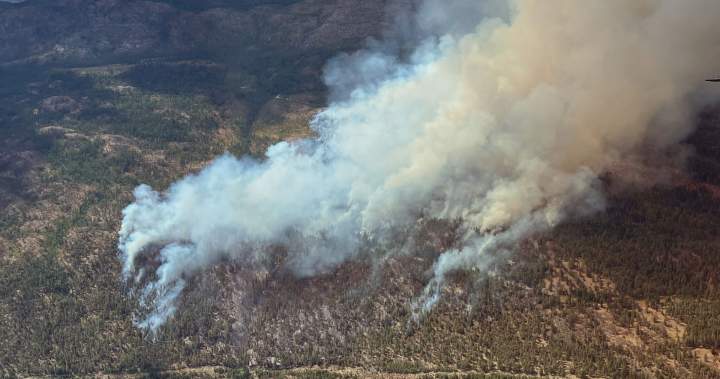
Okanagan wildfires have forced the evacuation of more than 2,200 properties as flames continue to ravage the west side and north end of Okanagan Lake in British Columbia. On August 3, 2026, emergency management officials expanded evacuation orders while the Okanagan Indian Band began assessing the devastating losses to their community.
The situation has become increasingly dire as winds gusting up to 115 kilometres per hour fanned the flames over the weekend, pushing fire to the water line and destroying homes in its path. Provincial wildfire officials have described the conditions as unprecedented due to prolonged drought in the region.
Quilpituk Creek and Bradley Creek Wildfires Drive Mass Evacuations
Central Okanagan Emergency Management issued a further evacuation order due to the Quilpituk Creek wildfire. This action brought the total number of properties evacuated under their jurisdiction to more than 2,200.
Further north along the lake, the Regional District of North Okanagan expanded evacuation orders and alerts on Sunday for dozens of additional properties threatened by the Bradley Creek wildfire.
Many residents were forced to flee rapidly over the weekend as dangerous wind conditions accelerated the fire’s spread. The combination of extreme drought and powerful gusts created a perfect storm for wildfire destruction.
Provincial Officials Report Unprecedented Fire Conditions
Cliff Chapman, director of wildfire operations for the provincial wildfire service, provided an update on Sunday highlighting the extraordinary nature of these fires.
They had never seen wildfire conditions like this because of the prolonged drought in the region.
The extended dry period has created extremely hazardous conditions across British Columbia, making fire suppression efforts increasingly challenging for crews on the ground.
Okanagan Indian Band Assesses Community Losses
Dan Wilson, Chief of the Okanagan Indian Band, announced that officials still cannot determine the full extent of the wildfire’s destruction on homes and infrastructure. He could not provide a timeline for when residents would be permitted to return to their properties.
“The fire is still active. Firefighters are still working in areas that remain dangerous. There are places where crews still can’t safely get in.”
Chief Wilson outlined several critical issues that must be addressed before residents can safely return:
- Damaged power lines requiring repair and safety assessment
- Unsafe trees that pose falling hazards
- Damaged infrastructure throughout the affected area
- Water systems that need inspection and restoration
Community Urged to Verify Information Before Sharing
Chief Wilson acknowledged that community members have been seeing disturbing images, videos, and reports circulating on social media and in news coverage. He urged patience as officials work to confirm accurate information.
“Some of what you are seeing is upsetting, some of it raises more questions than answers. We understand that, we are working to confirm information as quickly as we can and share it with our community as soon as it’s verified.”
This request highlights the importance of relying on official sources during emergency situations, particularly when misinformation can spread rapidly online.
What Residents Under Evacuation Orders Should Know
For those affected by the Okanagan wildfires evacuation orders, staying informed through official channels remains critical. Emergency management officials continue to monitor conditions and will provide updates as the situation evolves.
Key points for evacuees to remember:
- Do not attempt to return to evacuated areas until officially cleared
- Monitor official emergency management communications for updates
- Verify information before sharing on social media
- Contact local emergency services if you need assistance
The Latin community in British Columbia should stay connected with local emergency resources and community organizations that can provide support during this challenging time. As wildfires continue to impact communities across the province, being prepared and informed remains essential for all residents.
