


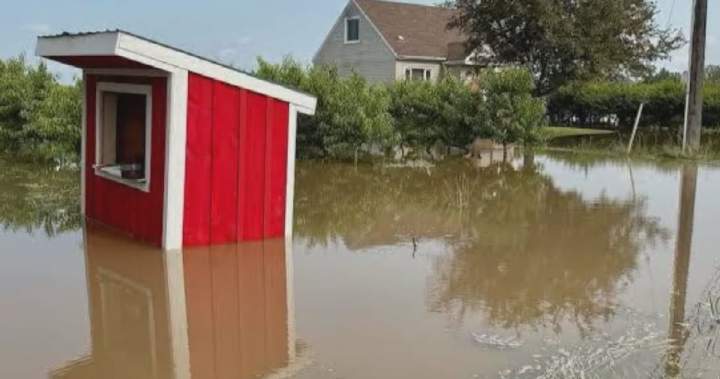
St. Catharines flooding has prompted the Ontario city to declare a state of emergency after receiving what the mayor described as a “hurricane’s worth of rain.” On August 4, 2026, residents across this Niagara Region community continue dealing with the aftermath of three extraordinary storms that overwhelmed local infrastructure and caused significant property damage.
Mayor Mat Siscoe issued the emergency declaration on Monday following a devastating series of rainfall events. The St. Catharines flooding began with the first storm on July 21, followed by another from July 27 to 28, and culminated with additional rain on Sunday. The combined impact has left homes, businesses, and city facilities underwater.
How Much Rain Caused the St. Catharines Flooding?
According to municipal officials, the city received almost 400 millimetres of rainfall across the three storms, depending on location within the city. The initial pair of storms alone brought more than 140 millimetres of rain early last week.
The storms produced two to three times the amount of rain originally forecast. By the time the second and third storms arrived, the ground was already completely saturated with no capacity left to absorb additional rainfall.
“This wasn’t one isolated weather event; this was a series of three very extraordinary rainfall events that happened in our community,” Mayor Siscoe stated during a news conference on Tuesday.
The mayor emphasized that no infrastructure could handle such extreme conditions, posting a video from his own flooded basement to illustrate the severity of the St. Catharines flooding situation.
What Infrastructure Was Affected?
The extreme rainfall overwhelmed multiple city systems, creating widespread damage across St. Catharines:
- Roads throughout the city
- Sewer systems
- Stormwater management infrastructure
- Private and public shoreline areas experiencing erosion
- Residential homes and commercial businesses
- City facilities and public buildings
The city’s emergency operations centre has been active since last Tuesday morning, coordinating response efforts and supporting decision-making throughout the ongoing recovery process.
Provincial and Federal Response to the Crisis
Premier Doug Ford announced on Monday that the province was working closely with impacted municipalities in the Niagara Region. The provincial response includes several key initiatives:
- Deploying Ontario Corps partners to assist with recovery
- Coordinating with the Salvation Army for cleaning kit delivery
- Engaging Team Rubicon for debris removal support
- Positioning provincial officials on the ground in St. Catharines
Mayor Siscoe noted that the emergency declaration gives the city additional tools to coordinate its response more quickly and strengthens its ability to seek support from both provincial and federal governments.
Current Recovery Efforts in St. Catharines
Municipal crews are actively responding to the St. Catharines flooding through multiple channels. Teams are addressing urgent calls, assessing damage throughout affected neighborhoods, and preparing for potential additional rainfall that could come later this week.
Critical cleanup work includes clearing catch basins and grates where debris has accumulated and removing obstructions from waterways to ensure proper water flow. These efforts aim to prevent further damage should more precipitation arrive.
What This Means for the Latin Community
For Latino residents in the Niagara Region, this emergency situation requires immediate attention to several practical matters. Those affected by flooding should document all damage with photographs for insurance purposes and contact their insurance providers as soon as possible.
Residents should monitor local news and official city channels for updates on road closures, available assistance programs, and any evacuation notices. The Salvation Army is coordinating cleaning kit distribution, which may be particularly helpful for families dealing with basement flooding.
Community members who can volunteer should consider contacting local emergency services, as cleanup efforts will likely require significant community support in the coming days and weeks. The emergency declaration may also open doors for provincial and federal assistance programs that affected residents should explore.
