


A widespread credit card scam has devastated transportation and auto parts businesses across Saskatchewan, with fraudsters stealing approximately half a million dollars worth of products. The scheme, which targets companies through phone orders using fraudulent credit cards, has affected more than a dozen businesses in the province and continues to expand across Western Canada.
On August 10, 2026, the Saskatchewan RCMP issued a public notice warning businesses about this large-scale fraud operation. For Latino entrepreneurs and business owners in Canada, understanding how this credit card scam works is essential to protecting their livelihoods and avoiding devastating financial losses.
How the Credit Card Scam Operates
The fraudsters behind this scheme have developed a sophisticated approach that makes their purchases appear completely legitimate. Scammers contact businesses by phone, providing what seems like authentic information including business names, personal names, email addresses, and phone numbers.
According to RCMP Sgt. William Groenen, the transactions initially process without any red flags. “It appears to be legitimate and like it’s an approved purchase,” Groenen explained in an interview. “And in some time within a day or two, the purchase is being disputed, and then the businesses are out the money that’s associated with it.”
The criminals primarily target transportation equipment companies, purchasing items such as tires, oil, and mechanical tools. These products are easy to resell and difficult to trace once they leave the business premises.
Local Business Hit with $20,000 Loss
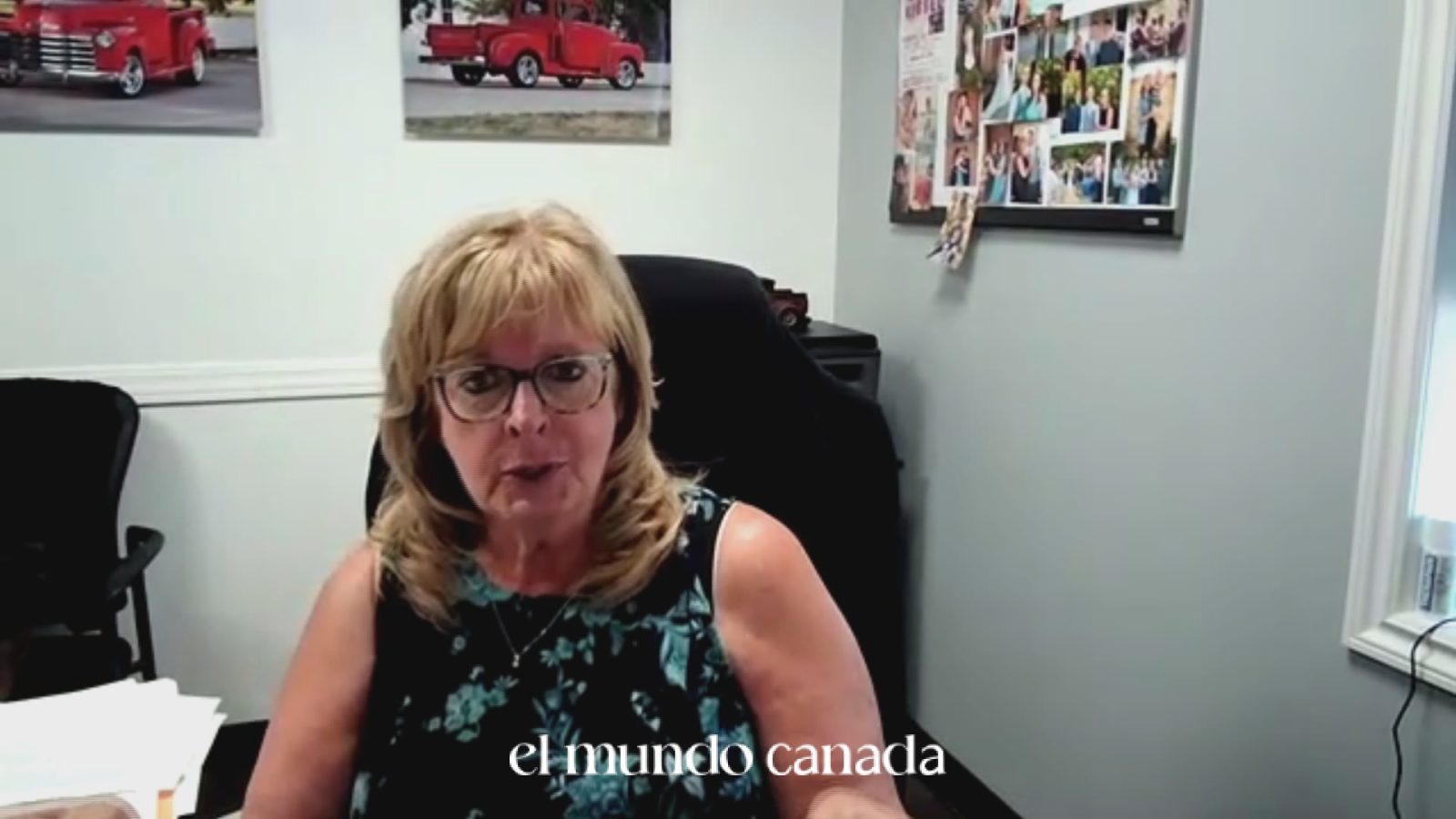
Leanne Tuntland-Wiebe, owner and manager of Great West Auto Electric in Assiniboia, Saskatchewan, discovered her business had lost approximately $20,000 to this credit card scam earlier in 2026. The fraudster made three separate purchases of power tools using fraudulent credit cards.
“He gave us a business name, gave us his personal name, gave us an email address, gave us a phone number, which sounded legit, so my guys didn’t think that much about it.” — Leanne Tuntland-Wiebe, Great West Auto Electric
The business, located nearly a two-hour drive southwest of Regina, only discovered the fraud when its bookkeeper was performing bank reconciliations. The three transactions had been charged back to their account three months later, without any prior notification.
Tuntland-Wiebe recalls that the individuals who picked up the orders were “nondescript” with unmarked vehicles. At the time, there was no indication the purchases were fraudulent since all transactions initially processed successfully.
Saskatchewan Communities Under Attack
The credit card scam has spread across multiple communities throughout Saskatchewan. Businesses in Battleford, Weyburn, Kindersley, Hudson Bay, and Moosomin have all reported falling victim to this fraud operation.
The widespread nature of these attacks suggests a coordinated criminal operation rather than isolated incidents. RCMP investigators believe the same group is responsible for all the fraudulent purchases across the province.
Additionally, authorities are aware that similar scams are occurring in other western provinces, indicating this criminal network operates across provincial boundaries. This makes tracking and prosecuting the perpetrators significantly more challenging.
Why These Scams Are Difficult to Investigate
The digital nature of these crimes creates significant obstacles for law enforcement. RCMP investigators began looking into this scam operation in March 2026, but have yet to charge anyone in connection with the fraud.
Sgt. Groenen highlighted the complexity of these investigations. “The widespread nature of the scams and the anonymous nature of the purchases are creating challenges,” he noted, adding that the perpetrators can be living almost anywhere.
“These digital types of offences continue to increase. They’re long, drawn-out investigations, and they take a lot of resources, but they’re important for us to keep trying to coordinate,” Groenen stated.
Read more: Essential Fraud Prevention Tips for Canadian Small Businesses
Businesses Struggle to Recover Losses
When Tuntland-Wiebe attempted to recover her business’s lost funds, she encountered frustrating obstacles. She was advised to contact her financial institution and point-of-sale provider, but neither organization could assist with recovering the stolen money.
The lack of notification about chargebacks compounded the problem. “We weren’t notified of the chargebacks,” Tuntland-Wiebe explained. “So, if we had been notified at the time, maybe we could have given more information to the RCMP.”
This experience highlights a significant gap in protection for small businesses facing credit card fraud. Many entrepreneurs discover they have limited recourse once fraudulent transactions are reversed.
How to Protect Your Business from Credit Card Scams
For Latino business owners in Canada, protecting against this type of fraud requires vigilance and updated security protocols. Understanding the warning signs can help prevent significant financial losses.
Tuntland-Wiebe emphasized the need for better insurance coverage. “The insurance policies have to be updated so that companies are protected for credit card fraud, wherever they’re stolen from,” she stated.
Business owners should consider implementing several protective measures:
- Verify new customers through multiple channels before processing large orders
- Request additional identification for phone orders over a certain amount
- Establish protocols for orders picked up by third parties
- Monitor bank statements daily rather than waiting for monthly reconciliations
- Contact your insurance provider about credit card fraud coverage
The RCMP encourages any business that suspects fraudulent activity to report it immediately to local police. Early reporting can help investigators track patterns and potentially prevent other businesses from becoming victims.
The Real Cost to Small Business Owners
For small businesses operating on tight margins, a $20,000 loss can be devastating. Unlike large corporations, small business owners often lack the financial cushion to absorb such significant unexpected losses.
The impact extends beyond immediate financial loss. Business owners must spend valuable time dealing with investigations, insurance claims, and implementing new security measures. The stress and uncertainty can affect business operations for months.
The half-million-dollar total stolen across Saskatchewan represents not just lost products but potentially damaged livelihoods, reduced employee hours, and delayed business growth for affected companies.
What Authorities Are Doing About It
The Saskatchewan RCMP continues coordinating its investigation with law enforcement agencies in other western provinces. The cross-provincial nature of this credit card scam requires collaboration between multiple police forces.
Authorities urge businesses to remain vigilant and report any suspicious transactions immediately. The more information investigators receive, the better their chances of identifying and apprehending the criminals responsible.
For now, businesses across Western Canada must balance customer service with enhanced security protocols. The challenge lies in protecting against fraud without creating obstacles that drive legitimate customers away.
What types of businesses are being targeted by this credit card scam?
The scam primarily targets transportation equipment companies across Saskatchewan and Western Canada. Fraudsters purchase items like tires, oil, power tools, and mechanical equipment using fraudulent credit cards over the phone.
How much money have fraudsters stolen through this scam?
According to RCMP Sgt. William Groenen, fraudsters have stolen approximately half a million dollars’ worth of products in Saskatchewan alone. The scam is also occurring in other western provinces.
What should I do if my business falls victim to credit card fraud?
Report the incident immediately to your local police and the RCMP. Contact your financial institution and point-of-sale provider, though recovery of funds is often difficult. Review your insurance policy regarding credit card fraud coverage.
How can businesses protect themselves from this type of fraud?
Verify new customers through multiple channels before processing large orders, request additional identification for phone purchases, monitor bank statements daily, and contact your insurance provider about fraud coverage options.
