


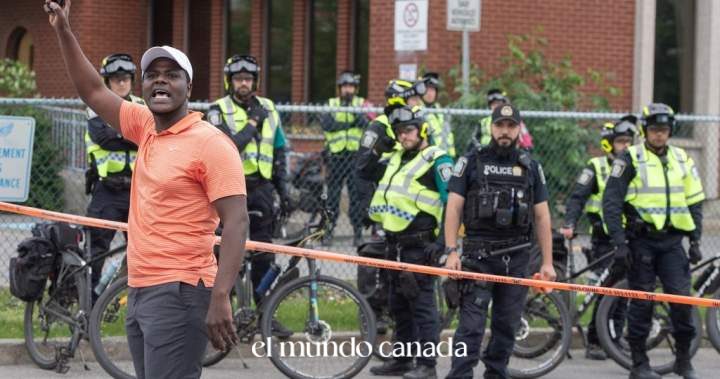
A Montreal police scandal involving allegations of racism, brutality, and misconduct has shattered community trust in one of Canada’s most diverse neighborhoods. The crisis in Montréal-Nord exposes systemic failures that have persisted for more than a decade, raising urgent questions for multicultural communities across the country.
Police Chief Fady Dagher announced in mid-June 2026 that authorities had disbanded a 16-member patrol unit following serious allegations of discrimination and reprehensible behavior. The move came after years of complaints from residents who say their concerns fell on deaf ears.
Patrol Unit Disbanded Amid Serious Allegations
The dramatic announcement came during a late Friday evening news conference when Chief Dagher revealed the extent of the misconduct. Two officers were immediately suspended and potentially face criminal charges.
The remaining 14 officers from the unit were reassigned to other tasks within the department. Dagher expressed feeling profoundly shocked about the situation and stated clearly that racism and reprehensible behavior was not acceptable within Montreal police ranks.
Internal police documents obtained by The Canadian Press through access to information legislation later revealed an update: three officers are now suspended. The department has declined to confirm this information publicly, stating they will provide updates at a public meeting scheduled for August 11, 2026.
Disturbing Trophy Hair Investigation
Among the most disturbing allegations is that some officers allegedly took locks of hair from local residents as trophies. Chief Dagher confirmed police were investigating these reports but shared few additional details about the status of those involved.
This allegation has sent shockwaves through the community and beyond. For many residents, particularly those from Black and immigrant backgrounds, the trophy allegations represent a dehumanizing practice that echoes historical atrocities.
The investigation remains ongoing, and authorities have been tight-lipped about specifics. Community members are demanding full transparency about what occurred and who was responsible.
A Decade of Ignored Complaints
Frantz Jean-Jacques, a former community support worker, remembers feeling hopeful after a meeting more than a decade ago with the commander of the Montréal-Nord police station. Over a dozen local residents attended that meeting, including young men who shared troubling stories about their interactions with police.
It was a good meeting. He had promised to investigate and ensure that kind of behaviour wouldn’t happen anymore, because it was unacceptable.
Jean-Jacques was then the head of ÉvoluJeunes, a community organization dedicated to supporting youths who had run-ins with the law. He recalled meeting a dozen young men in his office who reported experiences of police brutality by a handful of officers.
The residents came to denounce police brutality and racial profiling, pressing the station commander to take action. Jean-Jacques initiated the 2015 meeting after sending police a letter accompanied by photos showing the wounds of a young Black man who alleged he was beaten by police behind a restaurant.
Broken Promises and Continued Targeting
The man featured in those 2015 photos and letter is now 39 years old. He attended the meeting to share his story, but according to Jean-Jacques, he has continued to be targeted by local police ever since.
That tells you everything. That’s why young people are discouraged from filing complaints. Sometimes, the police seem to take the complaints, but that’s as far as it goes.
Jean-Jacques said police told victims to tell their friends what happened, as a warning. This intimidation tactic reportedly discouraged many from pursuing formal complaints.
The anti-racism lobby group Red Coalition shared a copy of the 2015 letter with The Canadian Press, helping to document the long history of allegations against officers in the area.
Read more: Your Rights Against Discrimination in Canada: Complete Guide
Community Response and New Police Measures
On August 9, 2026, Montreal police released an outline of their presentation for the upcoming public meeting. The document revealed that authorities had already deployed a new team in the community on July 13, 2026.
Police stated they were meeting with members of the community as part of rebuilding efforts. However, many residents remain skeptical given the history of unfulfilled promises.
The scandal has prompted broader discussions about police accountability in Montreal and across Canada. Community organizations are calling for independent oversight and structural reforms rather than internal investigations.
What This Means for the Latin Community in Canada
For Latin Americans and other immigrant communities in Canada, the Montreal police scandal serves as an important reminder about civil rights and available resources. Understanding your rights during police interactions is essential.
Community members who experience or witness police misconduct have several options available:
- File a formal complaint with the police department’s internal affairs division
- Contact independent civilian oversight bodies in your province
- Reach out to community organizations that provide legal support
- Document incidents thoroughly with photos, videos, and written accounts
- Seek support from anti-racism advocacy groups
The Quebec Human Rights Commission accepts complaints about racial profiling and discrimination. Federal agencies also investigate civil rights violations when provincial mechanisms fail.
Systemic Issues in Canadian Policing
The Montréal-Nord scandal is not an isolated incident. Across Canada, racialized communities have raised concerns about discriminatory policing practices for decades. Studies have documented disproportionate stops, searches, and use of force against Black, Indigenous, and other minority populations.
The disbandment of an entire patrol unit represents an unusual acknowledgment of systemic problems. Typically, police departments address misconduct as individual failures rather than structural issues.
Chief Dagher’s public expression of shock and his decisive action may signal a shift in how police leadership responds to such allegations. However, community advocates argue that meaningful change requires sustained effort and independent oversight.
Moving Forward: Demands for Accountability
Community leaders are calling for more than reassignments and suspensions. They want to see criminal prosecutions where warranted, transparent investigations, and structural reforms that prevent future abuses.
The August 11, 2026 public meeting will be closely watched by community members, media, and civil rights advocates. Many hope it will provide clarity about the scope of misconduct and the steps being taken to address it.
For residents of Montréal-Nord and diverse communities across Canada, the coming weeks will be crucial. The response to this scandal will indicate whether police institutions are truly committed to rooting out racism and building trust.
The gap between promises made in meetings like the one Jean-Jacques attended in 2015 and the reality experienced by community members must finally be closed. After more than a decade of allegations, the time for meaningful action has arrived.
What happened with the Montreal police unit in Montréal-Nord?
Police Chief Fady Dagher announced in mid-June 2026 that a 16-member patrol unit was disbanded over serious allegations of racism, discrimination, and misconduct. Two officers were suspended and potentially face criminal charges, while 14 others were reassigned. Internal documents later revealed three officers are now suspended.
What are the trophy hair allegations?
Chief Dagher confirmed police were investigating reports that some officers involved had taken locks of hair from local residents as trophies. Few additional details have been shared about the status of these investigations.
When is the public meeting about the Montreal police scandal?
Montreal police scheduled a public meeting for August 11, 2026, where they plan to provide updates about the case and their response to the allegations.
How long have complaints against these officers existed?
Community complaints date back more than a decade. A documented meeting occurred in 2015 where residents presented evidence of police brutality, including photos of a young Black man who alleged he was beaten by police. Despite promises to investigate, residents say targeting continued.
