


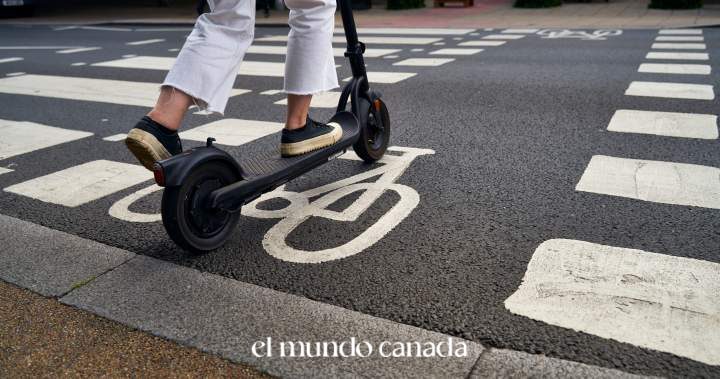
E-scooter deaths have emerged as a growing public health crisis in Canada, with 10 young people losing their lives in incidents involving personal powered micromobility devices in 2025. A new report from the Canadian Paediatric Surveillance Program (CPSP) reveals alarming data that pediatricians say represents some of the first comprehensive tracking of youth fatalities related to these increasingly popular vehicles.
The findings have prompted urgent calls from medical professionals for improved safety regulations, better injury tracking systems, and nationwide standardization of rules governing e-scooters and e-bikes. For Latino families in Canada, understanding these risks and the varying provincial regulations is essential to keeping children safe.
Alarming Statistics Revealed in CPSP Report
The CPSP report, based on a comprehensive survey of pediatricians conducted in 2025, documented 48 cases of serious injuries or deaths among young users of e-scooters and e-bikes. The breakdown of these cases paints a concerning picture of the severity of incidents involving these devices.
Among the documented cases, 26 hospitalizations lasted more than two days, indicating significant trauma requiring extended medical care. Additionally, 12 cases resulted in ICU admissions, where young patients required intensive care treatment. Nine other cases could not be classified according to the report’s categories.
Dr. Daniel Rosenfield, a key voice in this research, emphasized that the 10 deaths represent groundbreaking data.
“People don’t associate these devices with fatalities, right. As the usage of these devices goes up, which we can tell by the number of kids coming in with minor or moderate injuries, then the number of fatalities will also go up.”
The Canadian Institute for Health Information corroborated these findings with similar data showing 53 injuries requiring hospitalizations among youth ages five to 17 between 2023 and 2024.
Head Injuries Dominate Severe Cases
The CPSP data reveals that head injuries account for 47 per cent of severe cases, making them the most common type of trauma. Limb injuries follow closely at 40 per cent of reported cases.
Dr. Rosenfield stressed the long-term implications of these injuries.
“The majority of severely injured people are due to head injuries and remember these aren’t injuries that you can walk away from. These people will often have a permanent disability.”
E-scooters were identified as the most commonly used device among reported injuries and deaths. This finding is particularly relevant as these devices continue to proliferate across Canadian cities, often used by young people who may not fully understand the risks involved.
The prevalence of head injuries underscores the critical importance of helmet use, which remains one of the few consistent safety requirements across most Canadian provinces.
Youth Age Groups Most Affected
The CPSP report provides crucial demographic information about which age groups face the highest risks. Youth aged 10 to 15 represented 42 per cent of all cases reported by pediatricians and emergency physicians.
Children in the five to nine age group accounted for 18 per cent of cases, a troubling statistic given their developmental stage. The average age for incidents was between 10 and 12 years old, highlighting the vulnerability of pre-teens to these accidents.
These statistics raise important questions about parental supervision, age-appropriate use of these devices, and the adequacy of current provincial regulations in protecting younger users.
Provincial Regulations Vary Widely Across Canada
One of the challenges in addressing e-scooter and e-bike safety is the patchwork of regulations across Canadian provinces and territories. Understanding these rules is essential for families navigating micromobility safety.
For e-bikes, the regulations differ significantly:
- Ontario, Prince Edward Island, and British Columbia require riders to be 16 years or older
- Other provinces have lower limits of 15 or 14 years old, or no age limit at all
- Quebec sets the highest limit at 18 years old, though those with a Class 6D licence for mopeds can ride starting at 14
For e-scooters, the regulatory landscape is equally varied:
- Ontario, P.E.I., Saskatchewan, and B.C. maintain firm age limits of 16
- Quebec and Nova Scotia set the minimum age at 14
- Alberta and Saskatchewan ban e-scooters from public roads entirely, though municipal bylaws allow their use in specific cities like Edmonton or Saskatoon
Both Alberta and Saskatchewan leave age restrictions up to individual municipalities, creating further complexity for families.
Safety Recommendations From Medical Experts
While Dr. Rosenfield does not blame governments for the current regulatory inconsistencies, he advocates for a multi-pronged approach to improving safety. The expert emphasizes three key areas: education, enforcement, and engineering.
“There’s no amount of regulations that will make these safe and no amount of educational campaigns to get everyone to be aware of the potential risks. We have to really start at the absolute top and design a safer vehicle and create standards that mandate that across the country.”
Standardization of rules across Canada would be helpful, according to Rosenfield. However, he emphasizes that the solution must extend beyond regulation to include fundamental changes in how these devices are designed and manufactured.
For Latino families in Canada, this means taking proactive steps while awaiting broader policy changes. Helmet use remains mandatory for both youth and adults in most provinces and should be treated as non-negotiable.
Parents should also consider supervising younger children closely, teaching proper riding techniques, and familiarizing themselves with local municipal regulations that may differ from provincial rules.
The growing popularity of e-scooters and e-bikes among young people makes this issue increasingly urgent. Cities like Edmonton are already discussing rule changes for these devices, reflecting growing awareness of the safety challenges they present.
As the usage of personal powered micromobility devices continues to rise across Canadian communities, the need for comprehensive safety measures becomes more pressing. The 10 youth deaths documented in 2025 serve as a stark reminder that these convenient vehicles carry serious risks.
Community awareness and family education remain crucial components of any safety strategy. Parents should discuss the risks with their children, ensure proper safety equipment is always used, and stay informed about evolving regulations in their province and municipality.
What is the minimum age to ride an e-scooter in Ontario?
In Ontario, youth must be 16 years or older to legally ride an e-scooter. The same age requirement applies to e-bikes in the province.
Are helmets required for e-scooter riders in Canada?
Yes, helmet use is required for both youth and adults in most Canadian provinces when operating e-scooters and e-bikes. This is one of the few consistent safety requirements across the country.
What types of injuries are most common in e-scooter accidents involving youth?
Head injuries are the most common, accounting for 47 per cent of severe cases according to the CPSP report. Limb injuries represent 40 per cent of reported cases.
Can children ride e-scooters in Alberta?
Alberta bans e-scooters from public roads provincially, but allows municipal bylaws to permit their use in specific cities like Edmonton. The province does not set a specific age limit, leaving this decision to individual municipalities.
📘 Follow El Mundo Canada on our social networks: Facebook | Twitter
