


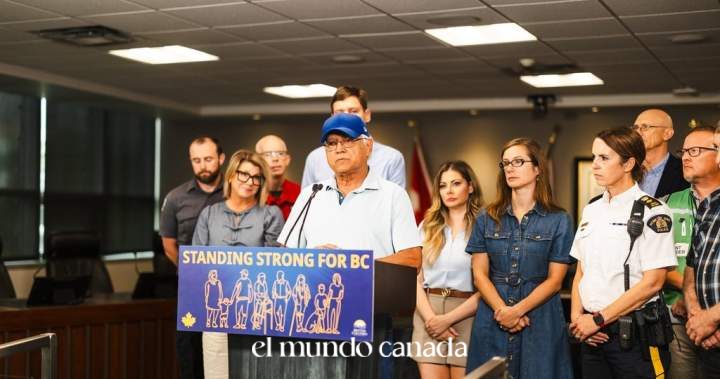
A devastating BC wildfire has displaced approximately 20,000 residents from Summerland and surrounding communities in the Okanagan region, prompting urgent calls for systemic change from Indigenous leaders. The Bald Range fire spread with alarming speed, forcing mass evacuations and cutting off the primary escape route via Highway 97.
Chief Greg Gabriel of the Penticton Indian Band has emerged as a powerful voice demanding immediate action. His community members are among those displaced by the flames. The BC wildfire situation has exposed critical vulnerabilities in British Columbia’s emergency response infrastructure.
Indigenous Leader Demands Systemic Change
Chief Greg Gabriel has made it clear that wildfires of this magnitude are not simply natural occurrences. He argues that human factors play a significant role in creating conditions for catastrophic fires. His demands focus on two key areas: reforming logging practices and addressing ongoing drought conditions.
The Penticton Indian Band chief emphasized that his people have lived on these lands for generations. They have witnessed the gradual degradation of forest health and understand the connection between land management and fire risk. His perspective offers valuable insight into long-term environmental stewardship.
Gabriel has formally requested that the provincial government establish alternative emergency routes out of communities during crises. The closure of Highway 97 left thousands of residents with limited escape options during the evacuation.
Provincial Government Response to BC Wildfire
B.C. Premier David Eby acknowledged the urgent need for secondary egress roads across the province. He confirmed that the Transportation Ministry will evaluate which routes should be prioritized for development. This represents a significant commitment to improving emergency infrastructure.
The Premier’s response indicates growing recognition that climate-related emergencies require proactive planning. British Columbia has experienced increasingly severe wildfire seasons in recent years. Communities across the province have expressed similar concerns about evacuation preparedness.
The provincial government faces mounting pressure to invest in emergency infrastructure. Building secondary roads requires significant financial resources and planning. However, the cost of inaction could prove far greater in terms of lives and property.
Impact on Evacuated Communities
The mass evacuation began on Friday when the Bald Range fire exploded across the landscape in just a matter of hours. Residents of Summerland and neighboring communities had little time to gather their belongings before fleeing. The 20,000 evacuees now await news about when they can return home.
Unfortunately, return dates remain uncertain as the fire continues burning out of control. Forecasters predict a lightning storm with erratic winds could further complicate firefighting efforts. These conditions create additional danger for the firefighters working to contain the blaze.
The Latin community in Canada should note that many agricultural workers in the Okanagan region may be affected by this disaster. The area is known for its fruit orchards and wineries, industries that employ many immigrant workers during harvest season.
What Evacuees and Residents Need to Know
If you or someone you know has been affected by the BC wildfire, here are essential steps to follow:
- Register with Emergency Social Services to access support for food, lodging, and other necessities
- Monitor official BC Wildfire Service updates for evacuation order changes
- Keep important documents and identification accessible at all times
- Maintain communication with family members about your location and status
- Follow directions from local authorities regarding road closures and safe routes
The Okanagan region has numerous emergency reception centers operating to assist displaced residents. Community organizations are providing translation services for those who need them. Do not attempt to return to evacuated areas until official all-clear notices are issued.
Climate Change and Fire Prevention Moving Forward
Chief Gabriel’s call for action reflects a broader conversation about climate adaptation in Canada. Indigenous knowledge about land management is increasingly recognized as valuable in preventing catastrophic fires. Traditional practices such as controlled burns can reduce dangerous fuel accumulation in forests.
The connection between logging practices and wildfire risk deserves serious examination. Industrial forestry can leave behind debris that acts as fuel during dry conditions. More sustainable approaches could help reduce future fire severity.
Drought conditions across British Columbia have created a tinderbox situation this season. Water conservation and watershed management play crucial roles in maintaining forest health. Addressing these issues requires coordinated action between government agencies, Indigenous communities, and private industry.
“Events such as the wildfire that forced thousands of people from their homes aren’t natural occurrences and more needs to be done to fix the problem.”
This statement from Chief Gabriel encapsulates the urgency many feel about addressing root causes of increasingly severe wildfires. The Penticton Indian Band leader’s words carry particular weight given his community’s direct experience with displacement.
For the Latin community living in fire-prone regions of British Columbia, understanding evacuation procedures is essential. Many newcomers may be unfamiliar with the wildfire risks that exist in Canadian forests. Taking time to create a family emergency plan could prove invaluable.
The ongoing Bald Range fire serves as a stark reminder that climate-related emergencies require both immediate response and long-term planning. The demands from Indigenous leaders like Chief Gabriel point toward a path of prevention rather than simply reaction.
When will evacuees be able to return to their homes?
According to officials, return dates remain uncertain as the BC wildfire continues burning out of control. An expected lightning storm with erratic winds could further delay containment efforts.
Why did Chief Gabriel say the wildfire is not a natural occurrence?
Chief Greg Gabriel argued that human factors including logging practices and failure to address drought conditions contribute to creating catastrophic fire conditions, making these events preventable rather than purely natural.
What is the government doing about emergency evacuation routes?
B.C. Premier David Eby confirmed that the Transportation Ministry will work on prioritizing which secondary egress roads should be developed to provide communities with alternative escape routes during emergencies.
📘 Follow El Mundo Canada on our social networks: Facebook | Twitter
