


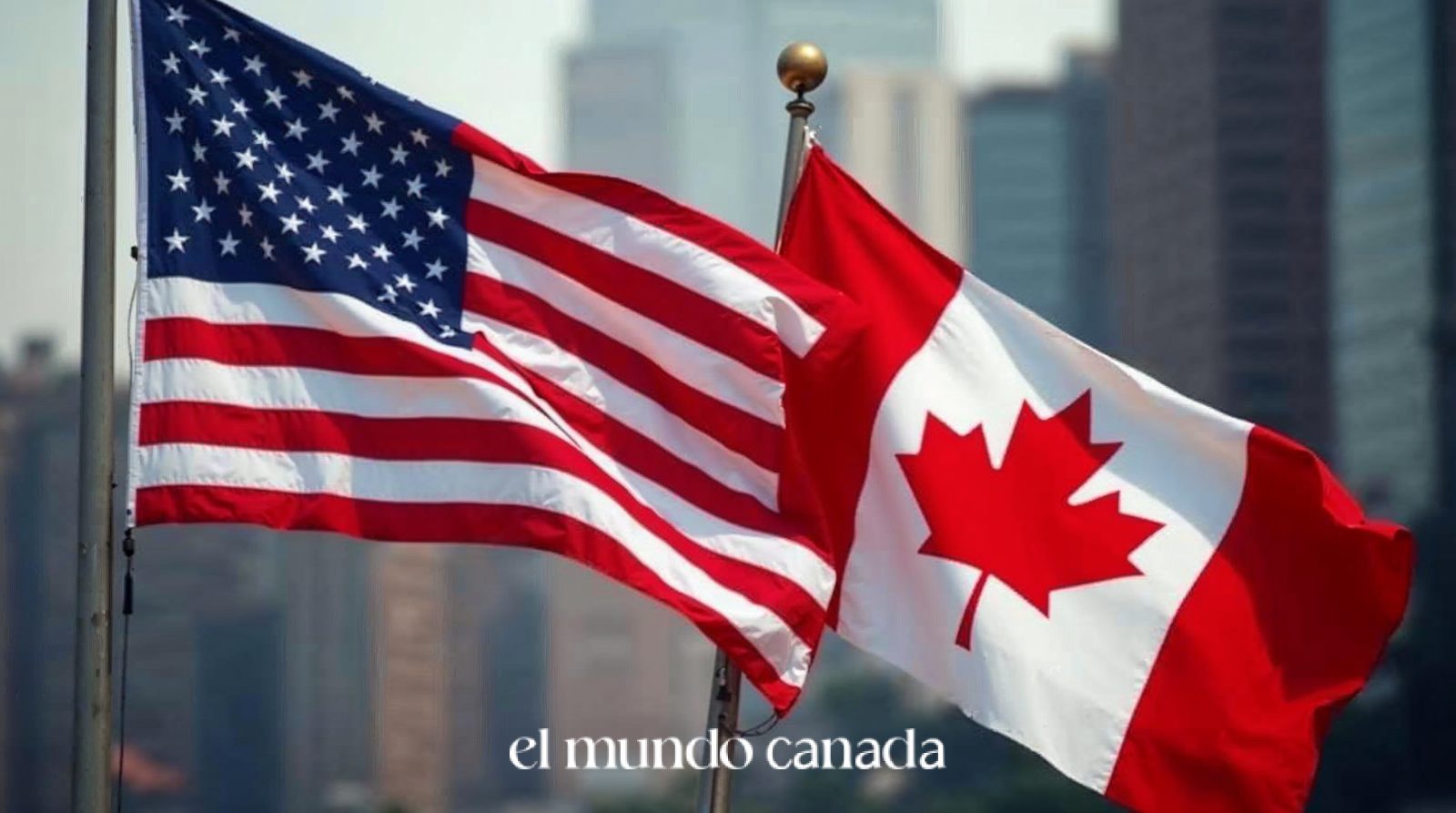
French Language Laws in Canada: New Tensions With the U.S.
The trade dispute between the United States and Canada has opened a new front that goes beyond tariffs: French language laws in Canada.
For Washington, some of these rules create barriers for U.S. companies. For Ottawa, and especially for Quebec, they help protect Canada’s cultural identity.
The issue returned to the center of trade talks after Canadian Prime Minister Mark Carney suspended negotiations with the United States on August 21.
Carney said the latest U.S. proposals were unfair. He also said Canada would not give up its right to protect the French language and Canadian culture.
The decision came as trade tensions grew. On August 21, the United States imposed 50% tariffs on about $20 billion worth of Canadian goods, according to Reuters.
Why Does Canada Protect the French Language?
The answer goes back to Canada’s history.
Canada recognizes English and French as its two official languages at the federal level. The use of both languages in Parliament and federal courts dates back to the Constitution Act of 1867.
Canada passed its first Official Languages Act in 1969. The Canadian Charter of Rights and Freedoms, adopted in 1982, later strengthened language rights.
Federal law gives Canadians the right to communicate with federal institutions in English or French in many situations. It also gives them access to certain government services in either language.
Canada updated its official language laws in 2023. The changes included new measures to support the use of French in certain federally regulated private businesses.
But there is an important difference when it comes to Quebec.
French Has Stronger Protection in Quebec
Quebec has a different language history from the rest of Canada. French is the province’s official and common language.
For decades, Quebec governments have created rules to give French a stronger role in daily life. These rules cover areas such as work, education, business and public communications.
The goal is to protect French in a country where English is widely spoken. It is also meant to preserve Quebec’s cultural identity within North America.
This is why French in Canada cannot be discussed without looking closely at Quebec.
What Do Product Labels Have to Do With It?
For a U.S. company, the issue may seem small from a business point of view. But language rules can create real costs.
Products sold in Canada may need information in both English and French. Companies may have to change their packaging, instructions and other consumer information.
Quebec has additional rules that make French-language requirements especially important.
As a result, a U.S. company cannot always use the same packaging in Canada that it uses in the United States.
Companies may need to translate and redesign their products. They may also face extra production and compliance costs.
This is one of the main differences between Ottawa and Washington.
Canada sees these rules as a way to protect its language and culture. The United States can see some of them as trade barriers that make it harder for American companies to compete in Canada.
The Conflict Has Also Reached Streaming Platforms
The debate is not limited to physical products.
Digital platforms have become another sensitive issue in the trade relationship between the two countries.
Canada has policies that support the production and promotion of Canadian content. Quebec has also introduced measures to strengthen French on digital platforms.
For Canada, the issue goes beyond the language used on a label or streaming service.
The government wants to protect French-language culture from being overshadowed by North America’s much larger English-speaking market.
The United States has a different view.
Some American technology companies argue that these rules can create additional costs and legal requirements.
This difference helps explain why the dispute has become more than an economic issue. It has also become a debate about culture and national identity.
Why Is Quebec So Important?
Quebec is Canada’s largest French-speaking province. It has spent decades debating how to protect its identity within a mostly English-speaking country.
The province is also located in a continent where English dominates much of the media, business and popular culture.
The language issue has had major political consequences.
Quebec held independence referendums in 1980 and 1995. In the second vote, the option to remain in Canada won by a very small margin.
That history still matters today.
Any trade agreement that appears to weaken Quebec’s language rules could create political problems for the Canadian government.
For many people in Quebec, protecting French is not simply a government policy. It is a way to protect a distinct culture and identity.
Why Did This Issue Become a Red Line for Carney?
Prime Minister Mark Carney has presented the trade talks as a negotiation in which Canada must defend its own interests.
After suspending the talks, Carney said Canada would not compromise its sovereignty or the protection of the French language and Canadian culture.
The issue also has a political side.
If Ottawa agreed to U.S. demands involving Quebec’s language rules, some voters could see the decision as a sign of weakness.
That could be especially sensitive in Quebec, where language and cultural issues remain politically important.
Washington has offered a different interpretation of the dispute.
The Trump administration has denied that it wants to interfere with Canadians speaking French. It has instead criticized some Canadian rules because of their impact on U.S. companies.
Reuters reported that Trump denied that French-language rules caused the talks to collapse. Carney, however, has said U.S. demands reached areas involving French and Canadian culture.
The disagreement therefore has two sides: economics and culture.
What Could Happen Next?
The trade conflict between the United States and Canada continues to develop.
Canada announced new retaliatory tariffs in response to U.S. measures. The duties will affect certain American products and are scheduled to take effect on September 8.
Ottawa also announced financial support for workers and businesses affected by the trade dispute.
The future of the negotiations remains uncertain.
What began as a dispute over tariffs has exposed a deeper disagreement.
For the United States, some Canadian rules may create trade barriers. For Canada, those same rules help protect its culture, language rights and sovereignty.
That is the key to understanding why French language laws in Canada have become so important in the trade dispute.
This is not only about the language printed on a product label. It is also about the content Canadians see on digital platforms.
For Quebec and many Canadians, the debate raises a larger question: how can a French-speaking culture preserve its identity in a mostly English-speaking North America?
Frequently Asked Questions
Why Does Canada Protect the French Language?
Canada protects French because English and French are the country’s two official languages. Language rights are also part of Canada’s legal and constitutional framework.
In Quebec, protecting French is especially important because the province considers the language central to its cultural identity.
What Laws Protect French in Quebec?
Quebec’s main language law is the Charter of the French Language. It establishes French as the province’s official language.
The law also sets rules for the use of French in areas such as government, work, education, commerce and business.
Why Do French Language Laws Affect U.S.-Canada Trade Negotiations?
Some language rules can increase costs for U.S. companies that operate in Canada.
Companies may need to change product packaging or meet additional requirements for services and digital content.
Washington has identified some of these measures as possible trade barriers. Ottawa sees them as part of its effort to protect Canada’s language rights and culture.
