


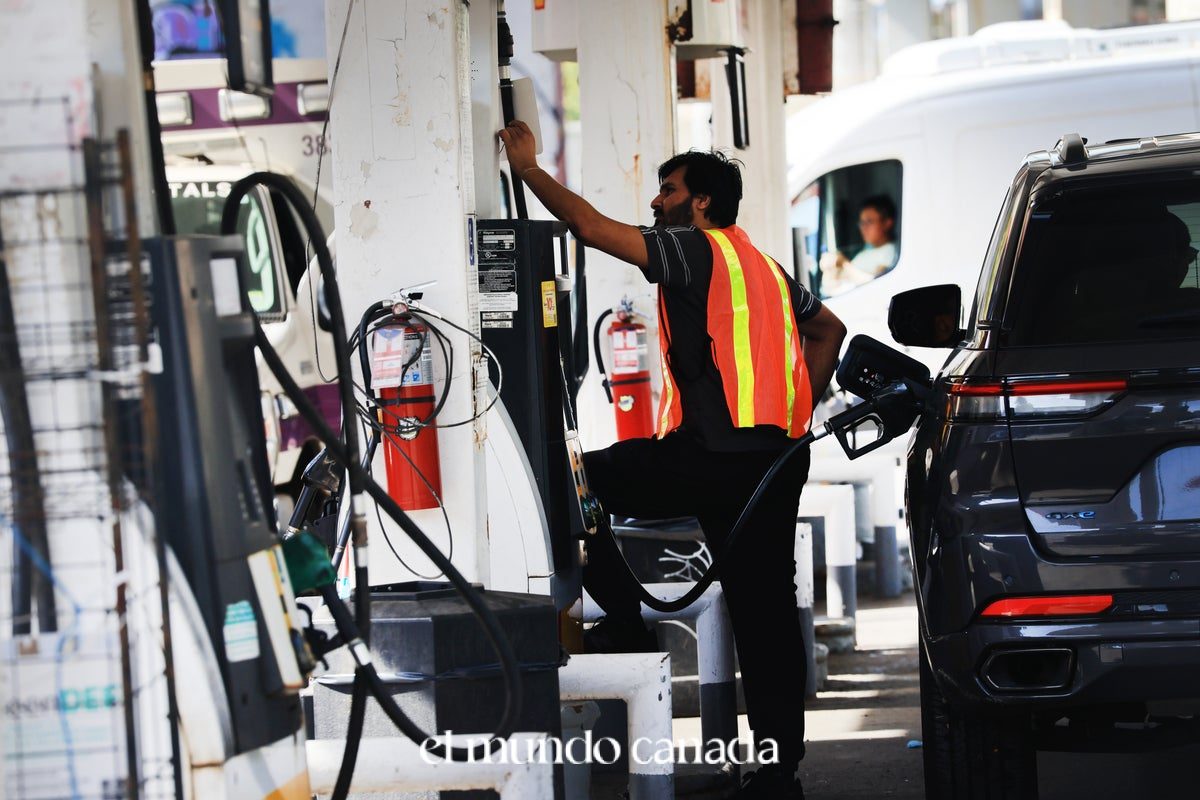
Gas prices have reached such extreme levels in California that some fuel stations can no longer display the correct cost on their digital pumps. According to a report from GasBuddy, five California gas stations have hit $9.999 per gallon for diesel — the maximum price their four-digit displays can show. This unprecedented situation reflects the ongoing fuel crisis driven by the U.S. war in Iran and the closure of the Strait of Hormuz.
California Diesel Prices Reach Display Limits
Patrick De Haan, the head of petroleum analysis at GasBuddy, reported the alarming discovery based on the company’s tracking data. The specific cities and stations were not identified in his report, though he shared a screenshot of the reported prices. GasBuddy is widely recognized for monitoring gas prices at stations across the United States.
As of September 9, California’s average diesel price stood at $7.76 per gallon, according to the U.S. Energy Information Administration. This represents a 55-cent increase from just one week prior and an astonishing $2.81 jump compared to the same period last year. The dramatic surge comes as global oil supplies remain constrained.
The situation has left many California drivers struggling to afford basic transportation costs. With diesel serving as the lifeblood of commercial transportation, these elevated prices are rippling through the entire economy, affecting everything from grocery costs to shipping rates.
Nationwide Diesel Hits Record Highs
Diesel fuel has also reached historic levels across the entire United States. The national average for diesel hit a record $5.87 per gallon, surpassing the previous high of $5.81 set in June 2022. This marks a significant milestone in the ongoing fuel price crisis.
According to the U.S. Energy Information Administration, national diesel prices increased 3.7 cents week over week and rose $1.97 year over year. These figures demonstrate the sustained upward pressure on fuel costs that shows no signs of abating in the near term.
For Canadians traveling to the United States or monitoring cross-border economic impacts, these gas prices represent a significant consideration. The growing Buy Canadian movement amid trade tensions may become even more relevant as fuel costs continue affecting North American supply chains.
Extreme Pricing at Individual California Stations
Reports of extraordinarily high gas prices at individual California stations have been emerging for months. At one station in Fenner, California, prices for regular gas were reportedly $9.69 per gallon, according to CBS 12 News.
In May, a Chevron station in downtown Los Angeles was reportedly charging $8.89 per gallon for diesel and $8.29 for regular gasoline. These prices, while below the current maximums, foreshadowed the crisis that has now fully materialized.
California regulators have reportedly launched an investigation into extreme fuel pricing at individual stations in the San Bernardino and Los Angeles areas. However, no alleged outliers have been proven at this time. The investigation remains ongoing as officials attempt to determine whether price gouging is occurring.
Read more: Canada Digital Sovereignty: Trade Talks Key Issues
War in Iran Drives Global Fuel Supply Crisis
The primary driver behind the skyrocketing gas prices is the ongoing U.S. war in Iran, which has severely disrupted global oil supplies. The closure of the Strait of Hormuz — a critical chokepoint for global oil shipments — has limited supply and sent prices soaring worldwide.
President Donald Trump, whose military action in Iran has been a major factor in high fuel prices, has acknowledged that relief is unlikely to come soon. The conflict, which began when the United States joined Israel in striking Iran in early spring, continues to dominate global energy markets.
“Right after the election, oil prices are going to be tumbling downward. They’re going to be tumbling down, and we’ll get them down. I think for gasoline we’ll get them below $2 a gallon.”
The President has been insisting since early spring that gas prices would decrease when the war ends. However, by June, he expressed frustration that prices were not falling quickly enough.
“Customers are being ‘gouged.’ Gasoline prices better start going down a lot faster than what I’m seeing!”
Despite these statements, fuel prices have remained elevated since his post and show no signs of decreasing in the immediate future.
Strategic Petroleum Reserve Measures Deployed
President Trump has taken extraordinary measures to try to force U.S. gas prices lower ahead of the midterm elections. He has authorized tapping the Strategic Petroleum Reserve, the emergency stockpile of crude oil maintained by the United States for crisis situations.
The president authorized the release of 172 million barrels of oil from the reserve earlier this year. According to Department of Energy data, the reserve fell by approximately 1.2 million barrels last week to 285.4 million barrels. This represents a significant drawdown of America’s emergency oil supplies.
The use of the Strategic Petroleum Reserve underscores the severity of the current fuel crisis. Originally established to protect the nation during supply emergencies, the reserve is now being depleted in an attempt to provide temporary relief from high gas prices.
For Latin Americans living in Canada, monitoring these developments is crucial. The North American energy market is interconnected, and extreme fuel price volatility in the United States often influences Canadian gas prices as well. Understanding these dynamics helps communities prepare for potential economic impacts.
What Drivers Should Know About Gas Prices
The current fuel price crisis shows no immediate signs of resolution. Here are key facts that drivers and consumers should understand:
- California diesel has reached $9.999 per gallon at five stations — the maximum displayable price
- National diesel average hit a record $5.87 per gallon
- California’s average diesel stands at $7.76 per gallon
- Prices increased $2.81 compared to one year ago
- The Strategic Petroleum Reserve has been reduced to 285.4 million barrels
The White House has indicated that significant price relief is not expected until after the midterm elections. Until then, consumers across North America should budget accordingly and consider fuel efficiency measures to manage rising transportation costs.
Why are gas prices so high in California?
California gas prices have reached extreme levels due to the ongoing U.S. war in Iran and the closure of the Strait of Hormuz, which has limited global oil supply. The state’s average diesel price reached $7.76 per gallon as of September 9.
What is the maximum price gas station displays can show?
Gas station digital displays typically only show four digits, meaning the maximum price they can display is $9.999 per gallon. Five California stations have reportedly hit this limit for diesel fuel.
Will gas prices go down soon?
According to President Trump, oil prices are not likely to fall until at least after the midterm elections. He has stated that after the election, prices will “tumble downward” with a goal of reaching below $2 per gallon for gasoline.
What is being done to address high fuel prices?
The U.S. government has authorized the release of 172 million barrels from the Strategic Petroleum Reserve. Additionally, California regulators have launched an investigation into extreme fuel pricing at individual stations in the San Bernardino and Los Angeles areas.
📘 Follow El Mundo Canada on our social networks: Facebook | Twitter | Instagram
The midterm elections remain the key timeline that President Trump has referenced for potential fuel price relief. Until then, drivers in California and across the United States face continued pressure from historically high gas prices, with the situation at pumps maxed out at $9.999 serving as a stark symbol of the ongoing energy crisis.
Also read:
As of September 14, 2026, California drivers continue to face record prices at the pump, with no relief expected in the immediate term.
