


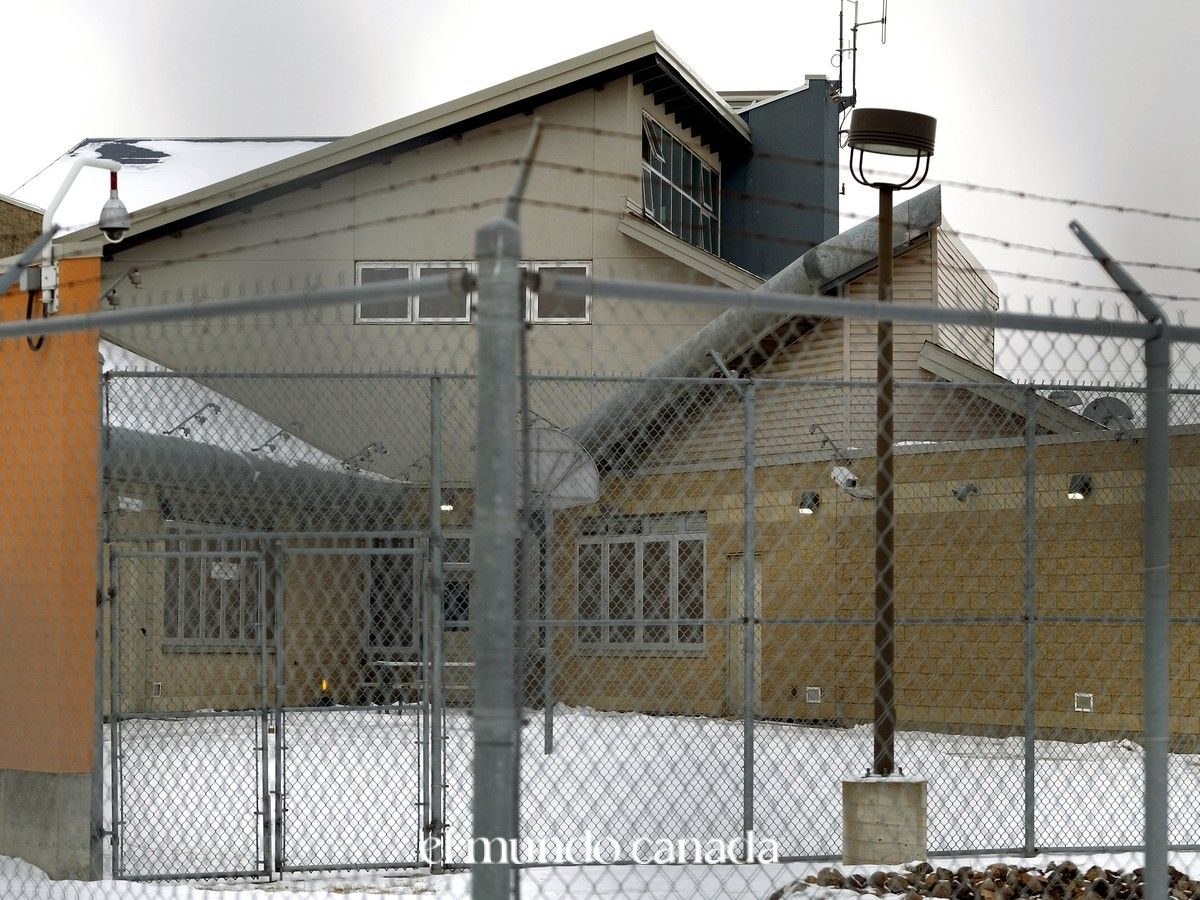
The Canadian federal government has filed a legal defense arguing that housing transgender inmates in women’s prisons does not violate the Canadian Charter of Rights and Freedoms, even in cases where female inmates have been sexually assaulted. The controversial position has ignited fierce debate about trans prison policy in Canada and the fundamental rights of incarcerated women.
In court documents, the government specifically avoided using the term “female,” instead opting for “cisgender woman” throughout its statement of defence. According to the filing, this terminology choice was made for “clarity and accuracy” to avoid “mischaracterizing or misgendering gender diverse inmates.” The case centers on the Edmonton Institution for Women and broader policies at Correctional Service of Canada facilities.
Government’s Defense and Terminology Choices
The federal government’s legal position explicitly states that Canada’s accommodation of the needs of gender diverse inmates does not infringe the rights guaranteed to cisgender women under either the Canadian Charter of Rights and Freedoms or the Canadian Bill of Rights. This stance has drawn sharp criticism from women’s rights advocates and legal experts across the country.
The government’s defence document explains its language preference by stating that using the term “female” to refer solely to cisgender women “risks mischaracterizing or misgendering gender diverse inmates.” Critics argue this linguistic approach effectively erases biological sex as a meaningful legal category in Canadian correctional policy.
Section 7 of the Charter guarantees that “everyone has the right to life, liberty and security of the person.” However, the government’s position suggests this protection does not extend to preventing biological males who identify as women from being housed with female inmates, regardless of any resulting safety concerns.
Lawsuit and Constitutional Challenge
The government was compelled to file its defence after the Justice Centre for Constitutional Freedoms (JCCF) helped launch a lawsuit challenging the Correctional Service of Canada’s policy. The policy in question allows trans-identifying male inmates to be housed in women’s prisons based on their gender identity rather than their biological sex.
The JCCF lawsuit argues that this policy exposes female inmates to heightened risk of sexual assault and violence. The case represents one of the most significant constitutional challenges to gender identity policies in Canadian corrections history. Legal observers note this could set important precedents for how Charter rights are balanced against gender identity accommodations.
The contrast in how Canadian courts have handled different Charter claims has not gone unnoticed. While one judge has ruled that bike lanes receive Charter protection, the federal government argues that women at risk of sexual abuse in prison do not merit the same constitutional consideration when it comes to trans prison policies.
UN Special Rapporteur’s Criticism
The Canadian government’s position stands in stark contrast to international guidance on protecting women’s rights. In 2025, UN Special Rapporteur on Violence Against Women and Girls Reem Alsalem produced a report condemning gender ideology for what she described as “deleting women from society.”
“The erosion of women and sex specific language, the conflation of sex, gender and gender identity”
Alsalem warned in her speech that such policies were weakening protection for mothers, women, and girls globally. Her observations appear particularly relevant to the Canadian prison context, where biological sex has historically been a primary consideration in housing decisions for inmate safety.
Implications for Women Inmates in Canada
The policy affects federal women’s prisons across Canada, including facilities that house some of the country’s most vulnerable female populations. Many incarcerated women have histories of trauma, abuse, and violence, making their living environment particularly significant for their mental health and rehabilitation.
Critics of the policy argue that placing biological males in women’s facilities fundamentally compromises the safety and dignity of female inmates. They point to documented cases of sexual assault as evidence that the policy creates unacceptable risks for incarcerated women.
Supporters of the current approach contend that transgender women face significant dangers in men’s prisons and that gender identity should be respected in housing decisions. The debate reflects broader tensions in Canadian society about balancing trans rights with women’s sex-based protections.
Read more: US Midterms 2026: 47% Poll Shift Alert
What Happens Next in This Legal Battle
The constitutional challenge brought by the JCCF will proceed through Canadian courts, with significant implications for corrections policy nationwide. Legal experts anticipate the case could eventually reach the Supreme Court of Canada, given the fundamental Charter questions at stake.
The outcome could reshape how Canada balances gender identity recognition with sex-based protections in federal institutions. Other jurisdictions facing similar debates are watching closely, as Canada’s approach may influence international standards on transgender inmate housing.
For the Latin community in Canada, this case raises important questions about how Charter rights apply in institutional settings and whether biological sex remains a relevant legal category. The case also highlights ongoing debates about gender policy that affect families, communities, and institutions across the country.
The JCCF lawsuit continues to advance through the Federal Court system, with the next significant procedural steps expected in the coming months. The government’s defence filing marks a critical juncture in what promises to be a lengthy and closely-watched constitutional battle over trans prison policy in Canada.
What is the Canadian government’s position on trans inmates in women’s prisons?
The federal government argues that housing transgender inmates in women’s prisons based on gender identity does not violate the Canadian Charter of Rights and Freedoms, even if female inmates experience sexual assault.
Why does the government use “cisgender woman” instead of “female”?
According to the government’s defence, the term “cisgender woman” is used for “clarity and accuracy” to avoid “mischaracterizing or misgendering gender diverse inmates” in legal proceedings.
Who filed the lawsuit challenging Canada’s trans prison policy?
The Justice Centre for Constitutional Freedoms (JCCF) helped launch the lawsuit challenging Correctional Service of Canada’s policy of allowing trans-identifying male inmates to be housed in women’s prisons.
What does the UN say about gender identity policies affecting women?
UN Special Rapporteur Reem Alsalem produced a 2025 report criticizing gender ideology for eroding women’s rights and weakening protections for mothers, women, and girls through the conflation of sex and gender identity.
📘 Follow El Mundo Canada on our social networks: Facebook | Twitter | Instagram
The case is expected to see significant legal developments as it moves toward a Federal Court hearing scheduled for later in 2026, where judges will weigh the competing Charter claims at the heart of Canada’s trans prison policy debate.
