


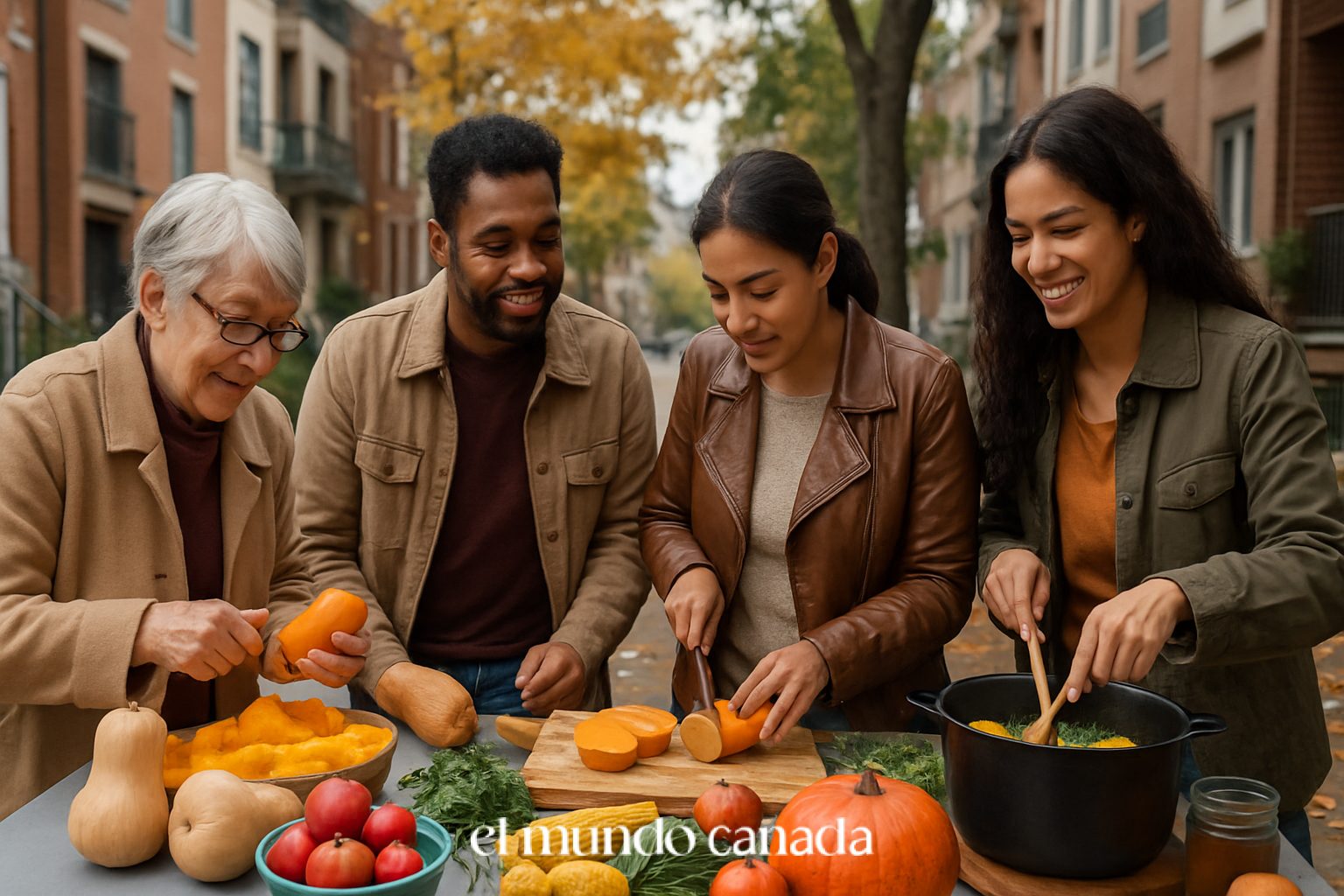
When the crisp autumn air sweeps across Canada and leaves transform into brilliant shades of orange and gold, kitchens everywhere begin to fill with the comforting aromas of fall recipes using Canadian produce with a Latin twist. For Latino immigrants navigating their first or fifth Canadian harvest season, this time of year presents an extraordinary opportunity to blend cherished culinary traditions from home with the exceptional bounty that Canadian farms produce between September and November. From butternut squash transformed into creamy sopas to root vegetables roasted with chimichurri, the possibilities for creating fusion dishes that honor both cultures are endless.
Understanding Canadian Seasonal Produce: Your Fall Shopping Guide
Canada’s fall harvest season delivers an impressive variety of fruits and vegetables that align beautifully with traditional Latin American cooking. According to Canadian Food Focus, autumn markets brim with squash varieties, sweet potatoes, carrots, beets, rutabagas, turnips, cabbage, leeks, red onions, and garlic—all of which form the foundation of countless Latin dishes. Shopping at local farmers’ markets in cities like Toronto, Vancouver, Calgary, and Montreal not only ensures freshness but also supports Canadian agricultural communities.
The transition period from late September through early October offers a unique advantage: you can still find late-summer crops like corn, green beans, radishes, and blueberries alongside heartier fall vegetables. This overlap creates perfect conditions for dishes that bridge the seasons, such as an autumn potato salad that celebrates the best of both worlds. Understanding this seasonal rhythm helps you plan meals that maximize flavor and nutritional value while keeping grocery costs manageable.
Storage vegetables like potatoes, squash, and root vegetables maintain their quality for weeks when stored properly in cool, dark spaces. This characteristic made them staples in both Canadian pioneer cooking and Latin American rural cuisine, creating natural bridges between these culinary traditions. Purchasing these items in bulk during peak season—typically October—ensures you’ll have quality ingredients well into the winter months.
Butternut and Acorn Squash: Latin American Preparations
Canadian-grown squash varieties reach their peak sweetness after the first frost, making them ideal candidates for traditional Latin preparations. Butternut squash, with its creamy texture and nutty flavor, transforms beautifully into a crema de calabaza—a velvety soup enriched with cumin, chipotle peppers, and a swirl of Mexican crema. The natural sugars in Canadian squash caramelize wonderfully when roasted, concentrating flavors that pair perfectly with bold Latin spices.
For a heartier dish, consider preparing calabaza en tacha, a traditional Mexican candied squash dessert typically served during Día de los Muertos celebrations in early November. Using Canadian acorn squash or sugar pumpkin, simmer pieces in a piloncillo syrup infused with cinnamon sticks and orange peel. The result is a glossy, tender treat that honors Mexican traditions while showcasing local produce. Piloncillo, the unrefined cane sugar essential to this recipe, is readily available at Latin grocery stores across major Canadian cities.
Stuffed squash offers another avenue for fusion cooking. Hollow out roasted acorn squash halves and fill them with a mixture of Canadian wild rice, black beans, corn, poblano peppers, and queso fresco. This dish combines Indigenous Canadian ingredients with Latin flavors, creating a visually stunning centerpiece for autumn gatherings. Top with pepitas (pumpkin seeds) for added texture and a nod to Mexican culinary traditions.
Root Vegetables with Adobo, Chimichurri, and Mole
Canadian root vegetables—including carrots, parsnips, beets, turnips, and rutabagas—develop remarkable sweetness as temperatures drop. These humble vegetables become extraordinary when paired with Latin sauces and seasonings. A simple sheet pan of roasted roots, tossed with adobo seasoning before cooking and drizzled with chimichurri after, creates a side dish that bridges continents.
For a more elaborate preparation, try root vegetable mole. Roast cubed rutabaga, sweet potato, and carrots until caramelized, then simmer in a simplified mole sauce made with dried chilies, Mexican chocolate, toasted almonds, and warm spices. This vegetarian main course showcases how Canadian produce can stand up to one of Mexico’s most complex sauces. Serve over fluffy rice with a sprinkle of sesame seeds.
Beets, often overlooked in Latin cooking, take on new life when prepared escabeche-style. Roast Canadian beets until tender, then slice and marinate in a mixture of apple cider vinegar, olive oil, oregano, bay leaves, and jalapeño. This pickled beet preparation works wonderfully as part of a taco spread, adding color and acidity that cuts through rich meats.
Potato and Sweet Potato Creations with Latin Flair
Canadian potatoes and sweet potatoes form the backbone of countless comfort foods in both Canadian and Latin American cuisines. Papas a la huancaína, a beloved Peruvian dish, adapts beautifully to Canadian fall cooking. Boil Yukon Gold potatoes—a Canadian variety developed in Ontario—until tender, then serve with a creamy sauce made from ají amarillo paste, queso fresco, evaporated milk, and crackers. The buttery Canadian potatoes provide the perfect canvas for this bold, slightly spicy sauce.
Camotes (sweet potatoes) offer tremendous versatility in Latin-Canadian fusion cooking. Prepare camote fries seasoned with cumin, smoked paprika, and lime zest, serving them alongside a chipotle mayo for dipping. Alternatively, mash roasted Canadian sweet potatoes with coconut milk, cinnamon, and a touch of maple syrup—combining iconic Canadian and Latin ingredients in one harmonious dish.
For special occasions, sweet potato empanadas filled with a mixture of mashed Canadian sweet potato, black beans, caramelized onions, and goat cheese create an unforgettable appetizer. The natural sweetness of autumn sweet potatoes balances the savory filling, while the flaky pastry provides satisfying texture. These freeze well, making them perfect for batch cooking during the busy fall season.
Cabbage, Leek, and Onion: Building Flavor Foundations
Alliums and brassicas reach their prime during Canadian fall, offering essential building blocks for Latin-inspired dishes. Red onions, leeks, and garlic form the aromatic base for countless preparations, while cabbage provides bulk and nutrition. Curtido, the Salvadoran fermented cabbage relish, made with Canadian green cabbage, carrots, and red onions, adds probiotic benefits and tangy crunch to any meal.
Leeks, though not traditional in most Latin American cuisines, adapt wonderfully to familiar preparations. Slice Canadian leeks and sauté them with poblano peppers and corn for a rajas con crema variation that highlights local produce. The mild, sweet flavor of fall leeks complements the roasted pepper without overpowering it. Serve this mixture in warm tortillas or alongside grilled meats.
Cabbage soups and stews appear in both Canadian and Latin traditions, making fusion versions feel natural rather than forced. A caldo de res made with Canadian beef, cabbage, carrots, potatoes, and corn on the cob, seasoned with cilantro and lime, embodies the spirit of fall comfort food. According to Dairy Farmers of Canada, warming soups and stews represent some of the most popular fall recipes among Canadian families—a preference shared by Latino communities who bring their own soup traditions to the country.
Apple Harvest: Canadian Orchards Meet Latin Sweetness
Canadian apple orchards produce dozens of varieties during fall, from crisp Honeycrisp to tart Granny Smith. These apples inspire Latin-Canadian dessert creations that honor both heritages. Empanadas de manzana filled with cinnamon-spiced Canadian apples and drizzled with cajeta (Mexican caramel) offer a handheld treat perfect for autumn festivals and family gatherings.
For a simpler preparation, baked apples stuffed with dulce de leche, walnuts, and dried cranberries combine Canadian and Latin elements in one elegant dessert. The natural pectin in fall apples creates a luscious texture when baked, while the caramel filling adds indulgent richness. Serve warm with a scoop of vanilla ice cream or a dollop of whipped cream.
Apple-based beverages also deserve attention. Ponche de manzana, a warm spiced apple drink, brings together fresh-pressed Canadian apple cider, piloncillo, cinnamon, star anise, and guava. This aromatic punch warms guests at autumn gatherings while showcasing the exceptional quality of Ontario and British Columbia apple harvests.
Read more
Discover more about life in Canada for Latino immigrants and how to navigate your new home while preserving your cultural traditions.
What are the best Canadian vegetables for Latin cooking in fall?
The most versatile Canadian fall vegetables for Latin cooking include butternut squash, sweet potatoes, Yukon Gold potatoes, carrots, cabbage, beets, and onions. These ingredients appear in both Canadian and Latin American culinary traditions, making fusion cooking feel natural. Look for these items at peak freshness in farmers’ markets from late September through November.
Where can I find Latin ingredients in Canada?
Major Canadian cities have numerous Latin grocery stores and supermarkets carrying essential ingredients like dried chilies, piloncillo, masa harina, Mexican chocolate, and ají amarillo paste. Stores like Perola’s Supermarket in Toronto, Sabor Latino in Vancouver, and Tienda Latina in Calgary offer comprehensive selections. Many mainstream grocery chains now stock Latin staples in their international food aisles.
How do I store fall vegetables to last through winter?
Root vegetables and squash store well in cool, dark, dry locations with temperatures between 10-15°C. Keep them in breathable containers or paper bags—never plastic, which traps moisture and encourages rot. Potatoes should be stored away from onions, as they release gases that accelerate spoilage. Properly stored, most fall vegetables last several months.
As Canadian Thanksgiving approaches on October 12, 2026, and Día de los Muertos celebrations follow on November 1-2, 2026, the autumn season offers perfect opportunities to experiment with fall recipes using Canadian produce with a Latin twist. Whether you’re preparing calabaza en tacha for an altar, roasting root vegetables for a Thanksgiving spread, or simply enjoying a warm bowl of crema de calabaza on a chilly evening, these fusion dishes create meaningful connections between your heritage and your new home. Visit your local farmers’ market before the season ends in late November to stock up on the finest seasonal ingredients Canada has to offer.
📘 Follow El Mundo Canada on our social networks: Facebook | Twitter | Instagram
