


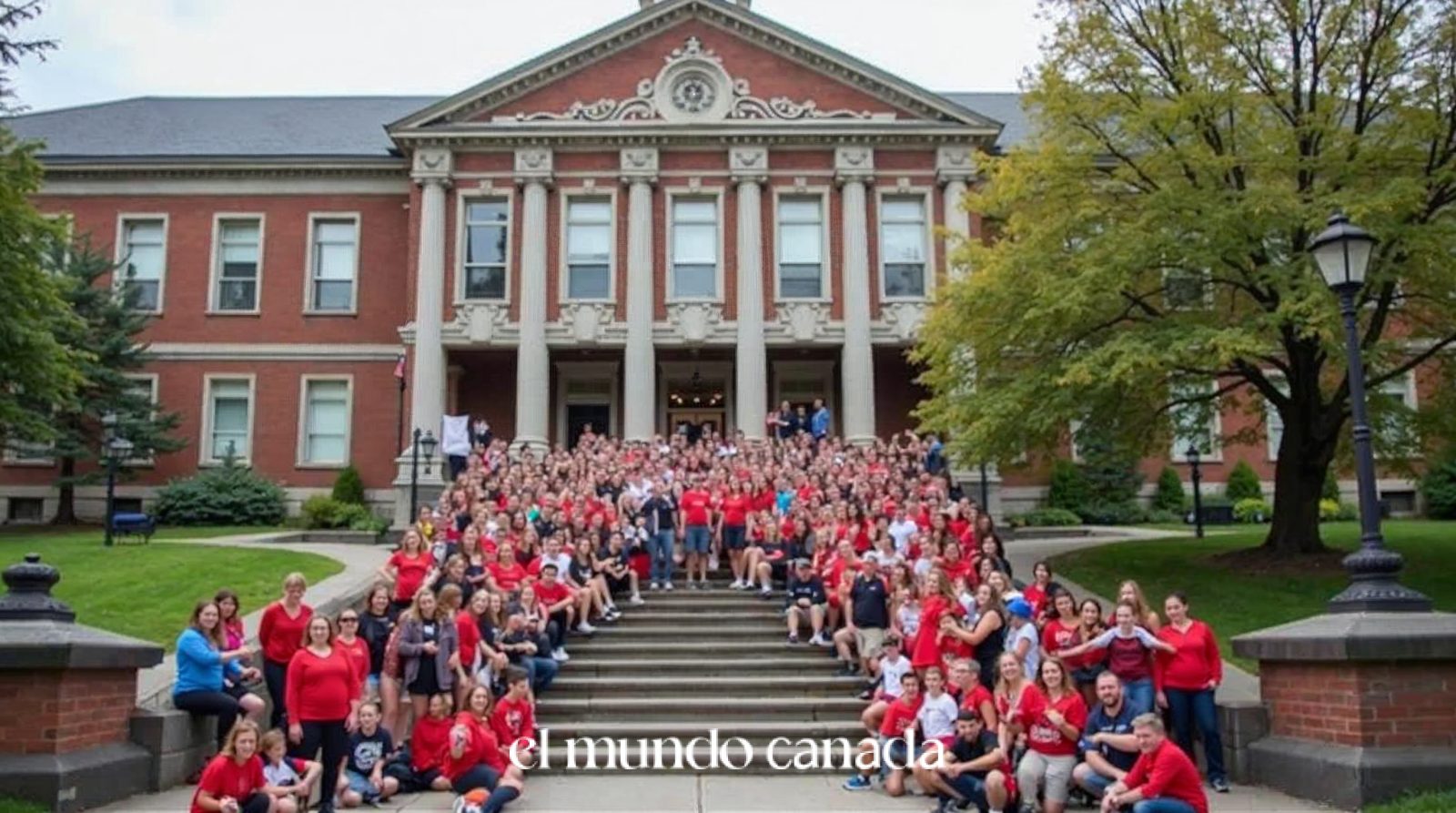
Guelph homecoming violence erupted at the University of Guelph on September 28, 2026, prompting Mayor Cam Guthrie to demand accountability from the institution after a chaotic celebration devolved into fights, fires, and widespread vandalism. The gathering in the Chancellors Way area resulted in multiple arrests and criminal charges, leaving local businesses with smashed windows and property damage while emergency responders faced hostile crowds throwing objects at them.
The Guelph Police Service confirmed the homecoming gathering was significantly larger than in recent years, generating serious public-safety concerns that required substantial law enforcement intervention. Officers responded to incidents involving objects being thrown, people climbing buildings and other structures, along with reports of shoplifting and vandalism affecting nearby businesses throughout the university district.
Mayor’s Response: Taxpayers Should Not Foot the Bill
Mayor Guthrie, who is currently serving his third and final term as Guelph’s mayor, expressed profound frustration with the annual costs associated with homecoming events. The former Guelph city councillor has witnessed the city receive bills ranging from $10,000 to upwards of $100,000 depending on the year, placing a significant burden on local taxpayers who have no connection to the university celebrations.
“I am beyond upset seeing videos of our emergency services getting bottles thrown at them and worse.”
The mayor revealed he had previously attempted to hold the university accountable, sending a bill to the institution when it was under different leadership. However, that effort never went anywhere, leaving Guelph taxpayers to absorb the costs of cleanup, emergency response, and property damage year after year.
Criminal Charges and Injuries Reported
While no serious injuries have been reported at the time of the police release, emergency responders treated multiple people for injuries including cuts and lacerations. Medical personnel also responded to a number of intoxication-related medical calls throughout the chaotic evening as the celebration spiraled out of control.
The Guelph Police Service confirmed officers laid several criminal and provincial offence charges, including charges for causing a disturbance and numerous alcohol-related offences. Investigators continue to review reported incidents, video evidence, and other materials, with additional charges potentially forthcoming as the investigation progresses.
“I have heard from businesses today that I’ve been speaking with that had their windows smashed out and other property damage. And then there’s the garbage and then like, lighting of fires, and my goodness gracious.”
University President Responds to Chaos
Dr. Rene Van Acker, President and Vice Chancellor of the University of Guelph, posted a statement on the school’s website addressing the disturbing events. The university leadership expressed deep disappointment and made clear that such incidents cannot happen again on their campus or in the surrounding community.
The university president highlighted a concerning trend that complicated the situation: individuals who are not University of Guelph students, including students from other communities, traveled to the area specifically to participate in unsanctioned gatherings. These outside participants were among those involved in property damage and other disruptive behavior that marked the chaotic homecoming celebration.
However, Dr. Van Acker also acknowledged that some University of Guelph students engaged in behavior that was unacceptable and fell well below the community’s expectations. The institution appears prepared to address both internal and external factors contributing to the annual homecoming problems.
Also read: Quebec Independence Cost: Billion-Dollar Study
Mayor Considers Seeking Compensation Again
While no dollar amount has been officially attached to this year’s homecoming damages, Mayor Guthrie indicated it may be time to revisit the conversation about seeking compensation from the University of Guelph. The mayor believes the current university leadership may be more receptive to such discussions than previous administrations.
“On the financial side of it, I cannot stand that the taxpayers of Guelph have to front these issues every year. Every dollar has to be treated with respect.”
The mayor emphasized that this presents a good opportunity to broach the subject of financial responsibility with the institution. He expressed optimism about willingness from the university to engage in meaningful discussions about sharing the burden of homecoming-related costs.
What This Means for the Guelph Community
For Guelph residents and local business owners, the annual homecoming chaos represents more than just one night of disruption. The financial impact extends to increased municipal costs, insurance claims, and the broader economic effects of property damage in commercial areas near the university campus.
The videos circulating online showed the scale of the disturbances, with scenes of rowdy crowds, fires being lit, and confrontations with emergency services. Social media posts documented law enforcement arriving to address a situation that had clearly exceeded the boundaries of a normal university celebration.
Local businesses affected by the vandalism now face the prospect of repair costs and potential lost revenue while they address smashed windows and other damage. The insurance implications and out-of-pocket expenses add to the frustration felt by business owners who had no part in the celebrations.
For the Latin community in Canada and all Guelph residents, the situation highlights the ongoing tension between university culture and municipal responsibilities. Understanding how cities and universities share costs for such events affects property taxes and municipal services that impact everyone living in university towns across the country.
The Guelph homecoming violence of 2026 may ultimately serve as a turning point in how the city and university negotiate financial responsibility for future events. Mayor Guthrie has signaled that formal conversations with University of Guelph leadership about cost-sharing arrangements will take place in the coming weeks, with potential policy changes expected before the next homecoming season.
What happened at the University of Guelph homecoming 2026?
The University of Guelph homecoming on September 28, 2026 devolved into violence, vandalism, and fires. The gathering in the Chancellors Way area was significantly larger than recent years, resulting in multiple arrests, criminal charges, and property damage to nearby businesses.
Were there any injuries reported at the Guelph homecoming?
While no serious injuries were reported, emergency responders treated multiple people for injuries including cuts and lacerations. Medical personnel also responded to several intoxication-related medical calls during the event.
What charges were filed after the Guelph homecoming violence?
The Guelph Police Service laid several criminal and provincial offence charges, including charges for causing a disturbance and numerous alcohol-related offences. Investigators continue reviewing evidence and additional charges may follow.
How much does Guelph homecoming cleanup typically cost taxpayers?
According to Mayor Cam Guthrie, the city has seen bills ranging from $10,000 to upwards of $100,000 depending on the year. The 2026 damages have not yet been tallied.
Will the University of Guelph pay for homecoming damages?
Mayor Guthrie indicated he plans to broach the subject of compensation with the university and believes there is willingness from current leadership to discuss cost-sharing arrangements for homecoming-related expenses.
📘 Follow El Mundo Canada on our social networks: Facebook | Twitter | Instagram
