


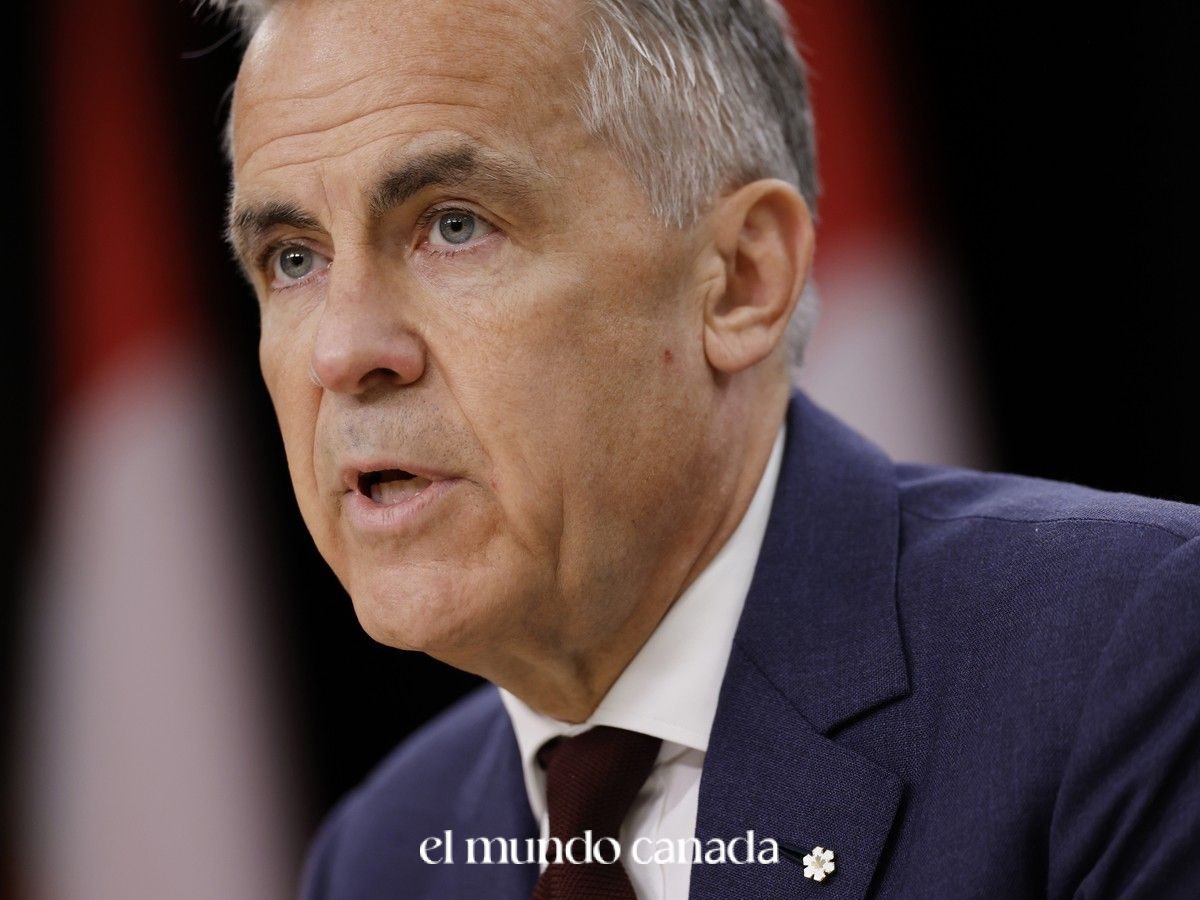
Prime Minister Mark Carney has emerged as a serious contender for the 2026 Nobel Peace Prize, with prediction markets giving him approximately nine per cent odds to win the prestigious award. The 61-year-old Canadian leader’s name entered the conversation on Monday, September 28, 2026, according to bettors on Kalshi, one of the most popular U.S. prediction market websites regulated by the U.S. Commodity Futures Trading Commission.
The Nobel Peace Prize announcement is scheduled for October 9, 2026, and Carney’s odds have fluctuated throughout the day. Earlier on Monday, the Canadian Prime Minister was actually the favourite at 14 per cent, according to Covers.com, before settling to his current position. This dramatic shift demonstrates the volatile nature of prediction markets as users actively buy and sell contracts based on their assessments of likely outcomes.
Who Leads the Nobel Peace Prize Odds
While Carney holds a prominent position, he currently sits behind three other contenders in the Kalshi prediction market. The Emergency Response Rooms (ERRs) providing humanitarian aid in civil-war-torn Sudan lead with 14 per cent odds. Following closely is Doctors Without Borders at 11 per cent, reflecting the organization’s continued global humanitarian work.
Ukrainian children’s rights activist Mykola Kuleba and his Save Ukraine initiative hold 10 per cent odds, placing just ahead of the Canadian Prime Minister. These odds reflect the international community’s recognition of ongoing humanitarian crises and the individuals and organizations working to address them.
Other notable names appearing on Kalshi’s list include Russian political activist and economist Yulia Navalnaya at eight per cent, Ugandan climate activist Vanessa Nakate at seven per cent, and the humanitarian organization Save the Children also at seven per cent. The diversity of contenders highlights the broad scope of global peace and humanitarian efforts being recognized this year.
How Kalshi Prediction Markets Work
For those unfamiliar with prediction markets, Kalshi operates through what it calls “event contract” markets. These are essentially binary yes-no financial bets on real-world events, fully regulated by the U.S. Commodity Futures Trading Commission. This regulatory oversight provides a level of legitimacy to the platform’s predictions.
Each contract has a price between US$0.01 and $0.99, with the price reflecting what the market collectively believes are the chances of an event occurring. In Carney’s case, each “Yes” contract currently costs $0.08, which translates to his roughly nine per cent chance of winning. Bettors can also sell their contracts before an event takes place if they believe the outcome won’t favor their position.
The potential returns can be significant. If someone were to purchase $10 worth of “yes” contracts at $0.08 and Carney emerged as the Nobel laureate, they would make more than $100. This happens because the contract settles at $1 if the event occurs, meaning the value increases by more than 10 times. However, choosing wrong means losing the entire investment.
Carney Also Ranks High for Time Person of the Year
The Nobel Peace Prize isn’t the only prestigious recognition where Prime Minister Carney appears as a strong contender. According to Kalshi prediction market data, the Canadian leader also charts high on contracts for who will be named 2026 Time Magazine Person of the Year. This dual recognition in prediction markets suggests growing international attention on Canada’s current political leadership.
The prediction market activity around Carney comes amid a period of significant geopolitical tensions. Recent reports indicate the Trump administration has discussed potentially imposing tariffs on Canada similar to those applied to the European Union, following what some have characterized as Carney’s EU pivot in foreign policy. This political context adds another layer of intrigue to his Nobel Peace Prize candidacy.
Read more: Quebec Independence Cost: Billion-Dollar Study
What Prediction Markets Actually Mean
It’s important for Canadians and international observers to understand what prediction market odds actually represent. These figures don’t come from official Nobel Committee sources or insider information. Instead, they reflect the collective wisdom—or speculation—of bettors who put their money where their opinions are.
Kalshi’s platform processes bets on various topics beyond prestigious awards. On the same Monday that Carney appeared on the Nobel Peace Prize list, other trending questions included predictions about whether Republicans or Democrats would win the U.S. Senate in the upcoming midterm elections, and even who would be eliminated on the next episode of Dancing with the Stars.
The volatility of these markets is evident in Carney’s own odds. Moving from 14 per cent to nine per cent in a single day shows how quickly sentiment can shift. This fluctuation occurs as users actively buy and sell contracts based on news, analysis, and speculation about the likely outcome.
Significance for Canadian Politics
The appearance of a Canadian Prime Minister among Nobel Peace Prize favorites marks a notable moment in Canadian political history. While prediction markets aren’t guarantees of outcomes, the recognition signals international awareness of Canada’s role in global affairs under Carney’s leadership.
For the Latin community in Canada, understanding these developments provides context for how Canada is perceived on the world stage. A Nobel Peace Prize win—or even a strong showing in serious consideration—could influence Canada’s diplomatic relationships and international standing in ways that affect immigration policy, trade agreements, and cultural exchanges.
The 2025 Nobel Peace Prize went to Venezuelan opposition leader María Corina Machado, who notably dedicated the award to U.S. President Donald Trump. This historical context adds interesting dimensions to the current speculation about 2026’s potential recipients and the political symbolism that often accompanies the prestigious award.
What are Carney’s current odds for the Nobel Peace Prize?
As of Monday, September 28, 2026, Prime Minister Mark Carney has approximately nine per cent odds on the Kalshi prediction market. Earlier that day, his odds were as high as 14 per cent.
When will the 2026 Nobel Peace Prize be announced?
The 2026 Nobel Peace Prize will be announced on October 9, 2026.
Who are the current favorites to win the Nobel Peace Prize?
The top contenders include Emergency Response Rooms (ERRs) in Sudan at 14 per cent, Doctors Without Borders at 11 per cent, Mykola Kuleba and Save Ukraine at 10 per cent, and Prime Minister Mark Carney at nine per cent.
How do Kalshi prediction markets work?
Kalshi operates regulated binary yes-no financial bets on real-world events. Contracts cost between US$0.01 and $0.99, with the price reflecting perceived probability. If the event occurs, contracts settle at $1.
Is Carney considered for other awards?
Yes, Prime Minister Carney also ranks high on Kalshi’s prediction market for 2026 Time Magazine Person of the Year.
📘 Follow El Mundo Canada on our social networks: Facebook | Twitter | Instagram
The Nobel Peace Prize announcement on October 9, 2026 will reveal whether the prediction markets correctly identified the winner. Canadians and observers worldwide will be watching to see if Prime Minister Mark Carney joins the prestigious list of Nobel laureates, or if the honor goes to one of the other highly-ranked contenders working on humanitarian efforts in Sudan, Ukraine, or other global hotspots.
Follow El Mundo Canadá on Facebook, Instagram, and X for the latest updates on Canadian politics and international recognition of Canadian leaders.
