


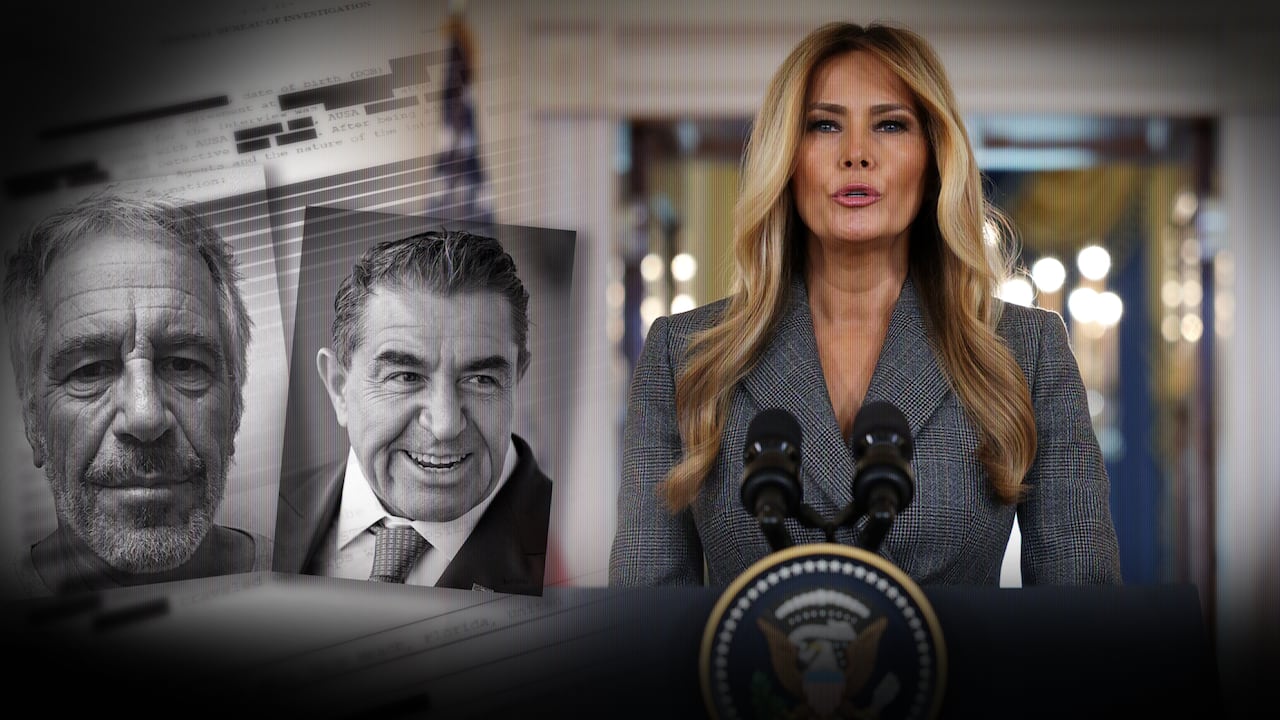
The question of whether Jeffrey Epstein played matchmaker between Donald Trump and Melania has resurfaced in public discourse, sparking renewed interest in the former president’s past connections. The Trump Melania Epstein introduction claim has circulated for years, fueling speculation about the nature of Trump’s relationship with the convicted sex offender.
Recent media coverage has reignited this controversial topic, prompting fact-checkers and journalists to revisit the evidence. Understanding the truth behind this claim matters not only for historical accuracy but also for the broader conversation about Epstein’s extensive network of powerful connections.
The Origins of the Claim
Where Did This Story Come From?
The assertion that Epstein introduced Donald Trump to his future wife Melania Knauss has appeared in various forms across media outlets and social platforms. This narrative gained traction partly due to the documented friendship between Trump and Epstein during the 1990s and early 2000s.
Trump himself acknowledged knowing Epstein in a 2002 interview with New York Magazine, famously stating that Epstein was a “terrific guy” who enjoyed the company of younger women. However, this acknowledgment of acquaintance differs significantly from claims about Epstein’s role in Trump’s romantic life.
The story has been amplified through documentaries, news segments, and investigative reports examining Epstein’s connections to powerful figures.
What the Evidence Actually Shows
According to the most widely accepted accounts, Donald Trump and Melania Knauss met at a Fashion Week party in New York City in September 1998. The event, hosted by Paolo Zampolli at the Kit Kat Club, brought together models, celebrities, and business figures.
Zampolli, a modeling agent who represented Melania at the time, has consistently claimed credit for introducing the couple. Multiple contemporaneous reports and subsequent interviews support this version of events.
Trump arrived at the party with a date, but reportedly was immediately drawn to Melania. According to accounts from both parties, he asked for her phone number, which she initially declined to give. She later provided her contact information after Trump offered his number first, demonstrating what she described as his serious intentions.
Examining Trump’s Relationship with Epstein
A Documented but Disputed Friendship
The relationship between Donald Trump and Jeffrey Epstein remains a subject of intense scrutiny. The two men moved in similar social circles in Palm Beach, Florida, and New York City during the 1990s. They attended the same parties and were photographed together on multiple occasions.
However, Trump has emphasized that he banned Epstein from his Mar-a-Lago club, reportedly due to Epstein’s inappropriate behavior toward a member’s daughter. This falling out allegedly occurred in the mid-2000s, well before Epstein’s first arrest in 2008.
Court documents and flight logs have been examined extensively by journalists investigating Epstein’s network. While Trump’s name appears in Epstein’s contact book, no evidence has emerged placing Trump at Epstein’s private island or implicating him in any criminal activity.
The Importance of Fact-Checking Historical Claims
In the era of rapid information spread, verifying claims about public figures requires careful examination of primary sources. The Epstein-Trump connection has been subject to both legitimate investigation and unfounded speculation.
Reputable news organizations have consistently reported that the Kit Kat Club meeting, not any Epstein-facilitated introduction, marked the beginning of Donald and Melania’s relationship.
Why This Story Persists
The Power of Association
Jeffrey Epstein’s crimes and subsequent death in custody created a media firestorm that continues to generate public interest. Any association with Epstein carries significant reputational implications, making claims about his connections to powerful figures particularly newsworthy.
The Trump Epstein relationship has been examined in numerous documentaries and investigative reports. This ongoing coverage keeps related claims, including the introduction story, in circulation regardless of their accuracy.
Political motivations also play a role in perpetuating certain narratives. During election cycles, stories connecting candidates to controversial figures often resurface, whether substantiated or not.
Media Responsibility in Reporting
Journalists and content creators bear responsibility for accurately representing historical events. The distinction between documented facts and speculation matters enormously when discussing sensitive topics involving public figures.
News consumers should approach sensational claims with healthy skepticism and seek verification from multiple reliable sources before accepting narratives as fact.
What We Know for Certain
The Verified Timeline
The factual record supports the following timeline of events:
1998: Donald Trump meets Melania Knauss at a Fashion Week party in New York City, introduced by modeling agent Paolo Zampolli.
1999-2004: Trump and Melania date publicly, appearing together at numerous high-profile events.
2005: The couple marries at Mar-a-Lago in Palm Beach, Florida.
While Trump and Epstein’s social circles overlapped during this period, no credible evidence supports the claim that Epstein specifically introduced the couple.
Expert Analysis
Historians and journalists who have extensively researched both Trump’s biography and Epstein’s network have found no documentation supporting the introduction claim. Biographers who interviewed Trump, Melania, and their associates consistently cite Zampolli as the facilitator of their meeting.
Conclusion
The claim that Jeffrey Epstein introduced Donald Trump to Melania lacks credible supporting evidence. Multiple reliable sources, including firsthand accounts from those present, confirm that modeling agent Paolo Zampolli introduced the couple at a 1998 Fashion Week party in New York City. While Trump and Epstein’s documented social connection raises legitimate questions worthy of examination, conflating this relationship with unsubstantiated claims serves neither journalistic integrity nor public understanding.
