


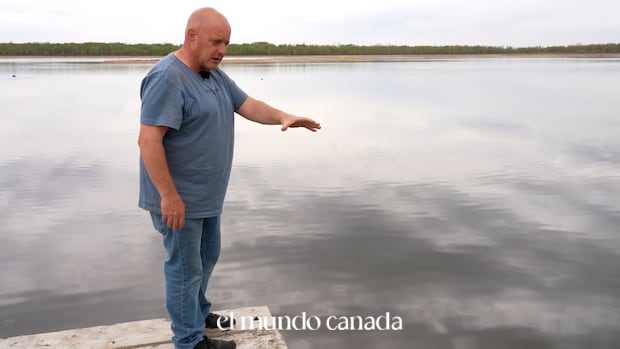
Why Buffalo Lake’s Water Levels Keep Dropping
Buffalo Lake, roughly 200 kilometers south of Edmonton, has long been one of central Alberta’s most popular boating destinations. In recent years, though, it’s also become a case study in how a shallow prairie lake responds when climate conditions turn against it — and a reminder that not every body of water is equally resilient to drought.
In this article
- Why Buffalo Lake’s Water Levels Keep Dropping
- The Climate Factors Behind the Decline
- Why Shallow Lakes Are Especially Vulnerable
- What Low Water Means for Boating Safety
- The Impact on Lakeside Communities
- Alternative Lakes for Central Alberta Boaters
- Options Beyond Motorized Boating
- What Recovery Would Take
Buffalo Lake sits within a broad, shallow basin, a geography that makes it especially vulnerable to evaporation compared to deeper lakes with a smaller surface-area-to-depth ratio.
The Climate Factors Behind the Decline
Several environmental factors compound each other to drive down Buffalo Lake’s water levels over time. Below-average precipitation across consecutive years reduces the inflow the lake receives from its surrounding watershed, while rising regional temperatures accelerate evaporation, a process that hits Buffalo Lake harder than many other lakes because of its geography. Groundwater levels in the surrounding region have dropped as well, reducing the underground springs that historically helped maintain the lake’s overall volume. None of these factors alone would necessarily create a crisis, but together, sustained over multiple years, they can meaningfully lower a lake’s water level.
Why Shallow Lakes Are Especially Vulnerable
Not all lakes respond to drought conditions the same way. Buffalo Lake’s broad, shallow basin means it has a large surface area relative to its depth, exposing more water to sun and wind and accelerating evaporative loss compared to a deeper lake holding the same volume of water. That geography is also why relatively modest declines in inflow or increases in evaporation can produce outsized effects on Buffalo Lake’s usable depth, compared to deeper central Alberta lakes that can absorb the same climate pressures with less dramatic change to their shoreline and navigability.
What Low Water Means for Boating Safety
Shallow conditions create genuine hazards for boaters, not just inconvenience. Propellers can strike the lakebed in water that used to be safely navigable, causing damage to vessels and creating injury risk for passengers, while submerged obstacles that were once well below the waterline become collision hazards as the water recedes around them. Dock and launch infrastructure built for historical water levels can also become effectively unusable — ramps that once extended into navigable water can end up extending into mud flats instead, making it physically impossible to launch a boat of any meaningful size regardless of the operator’s skill or caution.
The Impact on Lakeside Communities
Communities built around Buffalo Lake’s recreational economy feel low water levels directly. Marinas, bait shops, and boat rental operations depend on a steady flow of boaters, and that customer base shrinks along with the usable water. Restaurants and convenience stores in nearby towns such as Mirror and Rochon Sands report the knock-on effect through slower general traffic, and seasonal employment tied to summer tourism diminishes when the boaters who’d normally support those jobs simply don’t come. Cottage owners around the lake, many of whom bought waterfront property specifically for boating access, face a particularly direct impact — some report docks now sitting entirely on dry land, cutting off water access that was a core reason they purchased there in the first place.
Alternative Lakes for Central Alberta Boaters
Boaters who want reliable access this season have several other options within a reasonable drive of Buffalo Lake. Gull Lake, west of Lacombe, has maintained adequate water levels and multiple public launches; Sylvan Lake, one of Alberta’s most popular recreational lakes, offers extensive boating infrastructure and amenities; and Pigeon Lake and Wabamun Lake round out the nearby options, benefiting from different watershed characteristics that have helped them maintain water volume better than Buffalo Lake’s shallow basin has managed. Checking current conditions before heading out remains worthwhile at any of these destinations, since lake levels across the region can shift with the season’s precipitation.
Options Beyond Motorized Boating
For those specifically drawn to Buffalo Lake despite reduced launch access, non-motorized watercraft offer some possibilities that motorized boats simply can’t manage in shallow water. Kayaks and canoes require far less depth than motorboats, and some paddlers have found accessible launch points along sections of shoreline where conditions allow it. Stand-up paddleboards provide a similarly low-draft option, though anyone using these alternatives should exercise caution and check local conditions before venturing out, since shallow, uneven lakebeds can still pose hazards even to shallow-draft watercraft.
What Recovery Would Take
Buffalo Lake’s situation illustrates a broader climate adaptation challenge facing many of Alberta’s prairie lakes, which scientists warn will likely face similar pressures in coming decades as precipitation patterns continue shifting. Potential interventions discussed for lakes in this situation include water diversion projects from other sources, though these face significant environmental and financial hurdles and would require extensive environmental assessment and public consultation before proceeding, and dredging operations to deepen specific launch areas, which addresses the symptom of low water at a launch point without addressing the underlying watershed-level causes. Genuine recovery for a lake like Buffalo Lake ultimately depends more on favourable precipitation patterns returning over a sustained period than on any single engineering fix — a reality that leaves both boaters and lakeside communities largely dependent on weather patterns outside anyone’s direct control.
