


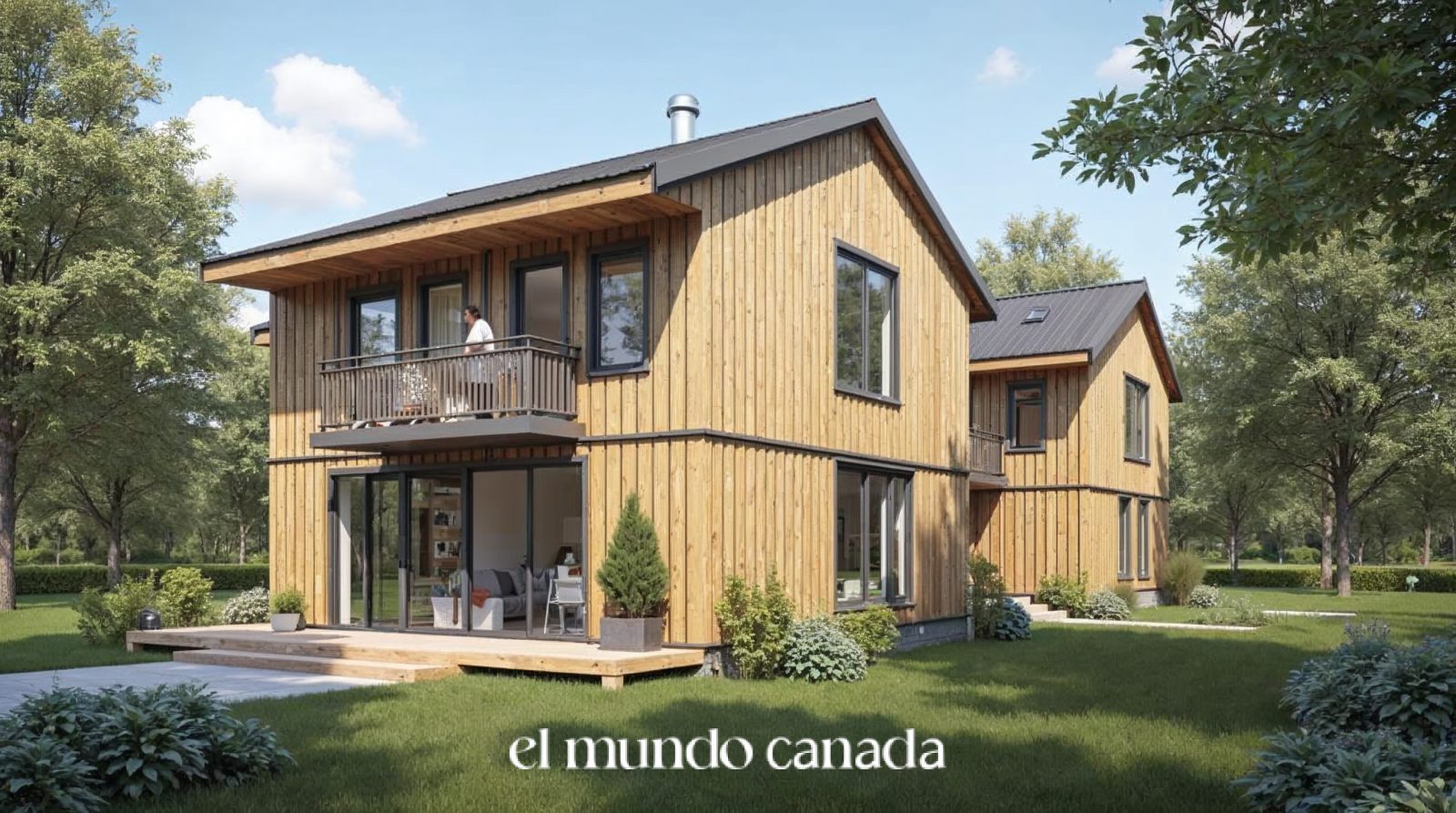
What Is a Tiny Home Community?
Somewhere between an emergency shelter and permanent housing sits a model that a number of Canadian cities have experimented with over the past decade: tiny home communities built specifically to house people experiencing homelessness with more dignity and stability than a shelter bed typically allows. Kitchener’s A Better Tent City is one of the country’s most closely watched examples of the approach, and its evolution offers a useful window into how the model actually works, and where it tends to struggle.
In this article
The Working Centre, which has operated in Kitchener-Waterloo since 1982, took over operations at A Better Tent City to help stabilize a project that had outgrown its original organizational capacity.
The Philosophy Behind the Model
A Better Tent City was founded as a response to homelessness in the Waterloo Region, built around a philosophy that prioritized dignity and community over the more institutional feel of a traditional shelter. Rather than communal sleeping arrangements and strict overnight-only stays, the tiny home model gives residents private dwellings and a degree of autonomy that conventional shelters generally can’t offer. The project gained national attention specifically for that design choice, drawing interest from municipalities across Canada looking for alternatives to conventional homelessness responses.
How It Differs From Emergency Shelters
The practical differences between a tiny home community and a traditional shelter are significant. Unlike most shelters, this model typically allows residents to maintain personal belongings and pets, experience genuine privacy rather than shared sleeping space, build lasting relationships with neighbours in a stable setting rather than a constantly rotating shelter population, and access support services at their own pace rather than under rigid shelter scheduling. These features are precisely what advocates point to when arguing the model produces better outcomes than emergency shelter alone — stability and autonomy, the argument goes, make it easier for residents to engage with the addiction, mental health, or employment supports they may need.
The Operational Challenges These Communities Face
Running a tiny home community is considerably more complex than it might appear from the outside. These projects generally face funding instability, since many rely on donations and grants rather than the more predictable government funding that conventional shelters typically receive; regulatory hurdles, since zoning laws and building codes designed around traditional housing can create real barriers for alternative models; intensive support service demands, since residents frequently need mental health support, addiction services, and employment assistance that strain the capacity of a small, community-run operation; and occasional community opposition from surrounding neighbourhoods. Combined, these pressures explain why grassroots tiny home projects — even well-regarded, nationally recognized ones — can struggle to sustain themselves over the long run purely on volunteer energy and community-level organizing.
Why Institutional Partners Matter
A Better Tent City’s operations transferred to The Working Centre, an established Kitchener-Waterloo social services organization that has provided employment assistance, housing support, and community programs since 1982. That kind of transition — from a grassroots, community-founded project to an established institutional operator — reflects a broader pattern in how alternative housing models mature: innovative projects often need the administrative systems, financial stability, and institutional backing of a larger organization to survive long-term, even when the original grassroots model proved the underlying concept worked. The goal in such a transition is typically to preserve the core philosophy and resident experience while addressing the operational gaps — financial sustainability, administrative capacity, and consistent support services — that a smaller organization struggles to maintain on its own.
The Regulatory Hurdles
Municipal zoning and building codes were, almost universally, written with conventional single-family or multi-unit housing in mind, not clusters of small individual dwellings serving a formerly homeless population. That mismatch means tiny home communities frequently need special exemptions, variances, or dedicated municipal policy support just to operate legally, a hurdle that can slow down or complicate replication of successful models in other cities even when local political will exists to try.
What Other Cities Can Learn
The tiny home community model has become a genuine reference point for municipalities across Canada considering alternatives to traditional homelessness response. The core lessons tend to be consistent regardless of location: dignity-focused design — private space, personal autonomy — appears to produce meaningfully different resident engagement than institutional shelter settings, but sustaining that model long-term generally requires either substantial, stable government funding or a partnership with an established service organization capable of absorbing the administrative and financial load that a purely grassroots operation can’t carry indefinitely.
The Future of Alternative Housing Models
Tiny home communities aren’t a complete solution to homelessness on their own, and advocates generally don’t present them as one. What they offer is a middle option between an overnight shelter bed and a full apartment, filling a specific gap for people who need more stability and autonomy than a shelter provides but aren’t yet ready for or able to access independent housing. As housing affordability pressures continue across Canada, models like A Better Tent City are likely to keep drawing attention from cities searching for approaches that treat people experiencing homelessness as community members rather than a population to be managed and moved along.
