


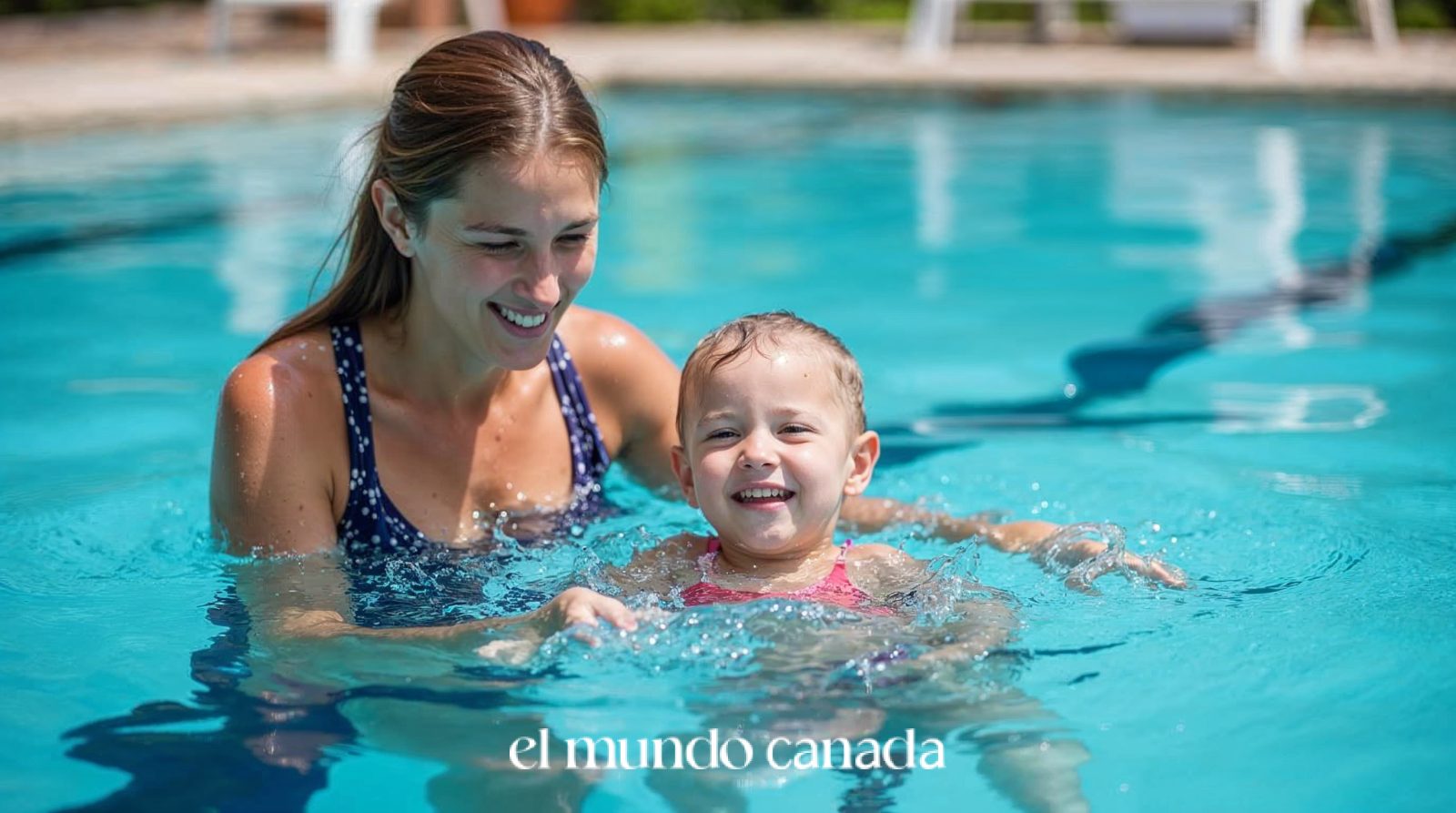
Why Swimming Lessons Matter for Water Safety
Canada is a country defined by water — oceans on three coasts, tens of thousands of lakes, and rivers running through nearly every major city — which makes the ability to swim less a recreational nicety than a basic safety skill. Drowning remains a leading cause of preventable death in the country, and cities from coast to coast have increasingly treated swimming instruction as public health infrastructure rather than optional recreation.
In this article
The Lifesaving Society of Canada estimates approximately 400 Canadians drown each year, with British Columbia’s abundant waterways among the regions where risk runs highest.
The Scale of Drowning Risk in Canada
National drowning statistics tell a consistent story: roughly 400 Canadians drown annually, a figure the Lifesaving Society tracks as part of its broader water safety advocacy. Research on drowning prevention consistently shows that formal swimming instruction significantly reduces this risk, particularly among young children who make up a disproportionate share of drowning incidents. That link between instruction and reduced risk is the core rationale behind treating swimming lessons as a public safety investment rather than a discretionary recreational program.
Who Faces the Highest Risk
Drowning risk isn’t distributed evenly across the population. Newcomers to Canada, particularly those arriving from landlocked regions or countries where swimming instruction is uncommon, often face elevated risk simply because they haven’t had the same lifelong exposure to formal water safety education that many Canadian-born residents take for granted. Low-income families face a related but distinct barrier: cost. Traditional swimming lesson programs can run anywhere from $50 to $150 per session, a price point that puts consistent instruction out of reach for many households even when they recognize its importance.
The Cost Barrier to Swimming Lessons
Cost is consistently cited as the single biggest obstacle preventing families from enrolling children — or adults — in swimming instruction. Removing that barrier is the logic behind free and subsidized lesson programs that a growing number of Canadian municipalities have introduced: by eliminating the price tag, cities aim to reach the specific populations who face the highest drowning risk but the lowest access to instruction under a pay-per-session model.
How Cities Are Closing the Gap
Several major Canadian municipalities have implemented free or subsidized swimming programs aimed at beginners who’ve never received formal instruction. Toronto’s program, running for several years, has served thousands of residents who otherwise couldn’t afford lessons, and early data from similar initiatives suggests they’re effective at increasing swimming competency across participating communities. Calgary and Edmonton have pursued comparable approaches. These programs typically prioritize geographic accessibility, offering lessons across multiple community pools and aquatic centres rather than concentrating them in a single, potentially hard-to-reach location — a design choice meant to ensure families across a city’s various neighbourhoods can actually access the program regardless of where they live.
International Approaches Worth Noting
Canada isn’t alone in treating swimming instruction as a public safety priority. Australia’s long-running “Learn to Swim” programs have contributed to measurably declining drowning rates over several decades, and the United Kingdom has similarly prioritized universal swimming education as part of its public health approach. Canadian municipal officials designing new programs have generally studied these international models, looking for lessons on how to build a sustainable program that can expand over time based on demand and available funding, rather than a one-off initiative that fades once initial attention moves elsewhere.
What Makes a Program Work
Delivering swimming instruction at scale requires more than good intentions — it requires adequate pool facilities, certified instructors, and a funding model that can sustain the program over multiple years. Municipal recreation departments running these programs generally need to balance free programming against the revenue-generating activities that fund overall facility operations, since aquatic centres can’t operate purely on public subsidy without straining broader recreation budgets. Hiring and training enough qualified instructors to meet demand can also take considerable time, meaning successful programs are typically built up gradually rather than launched at full capacity from day one.
The Case for Treating Swimming as a Life Skill
The throughline across drowning statistics, cost barriers, and successful municipal programs is a simple idea: swimming ability functions less like a hobby and more like a basic safety competency, on par with knowing how to cross a street safely. In a country as saturated with lakes, rivers, and coastline as Canada, that framing has pushed a growing number of cities to fund swimming instruction the way they’d fund any other piece of public safety infrastructure — because the alternative, leaving instruction purely to families who can afford private lessons, leaves exactly the populations at highest drowning risk with the least access to the skill that would protect them.
