


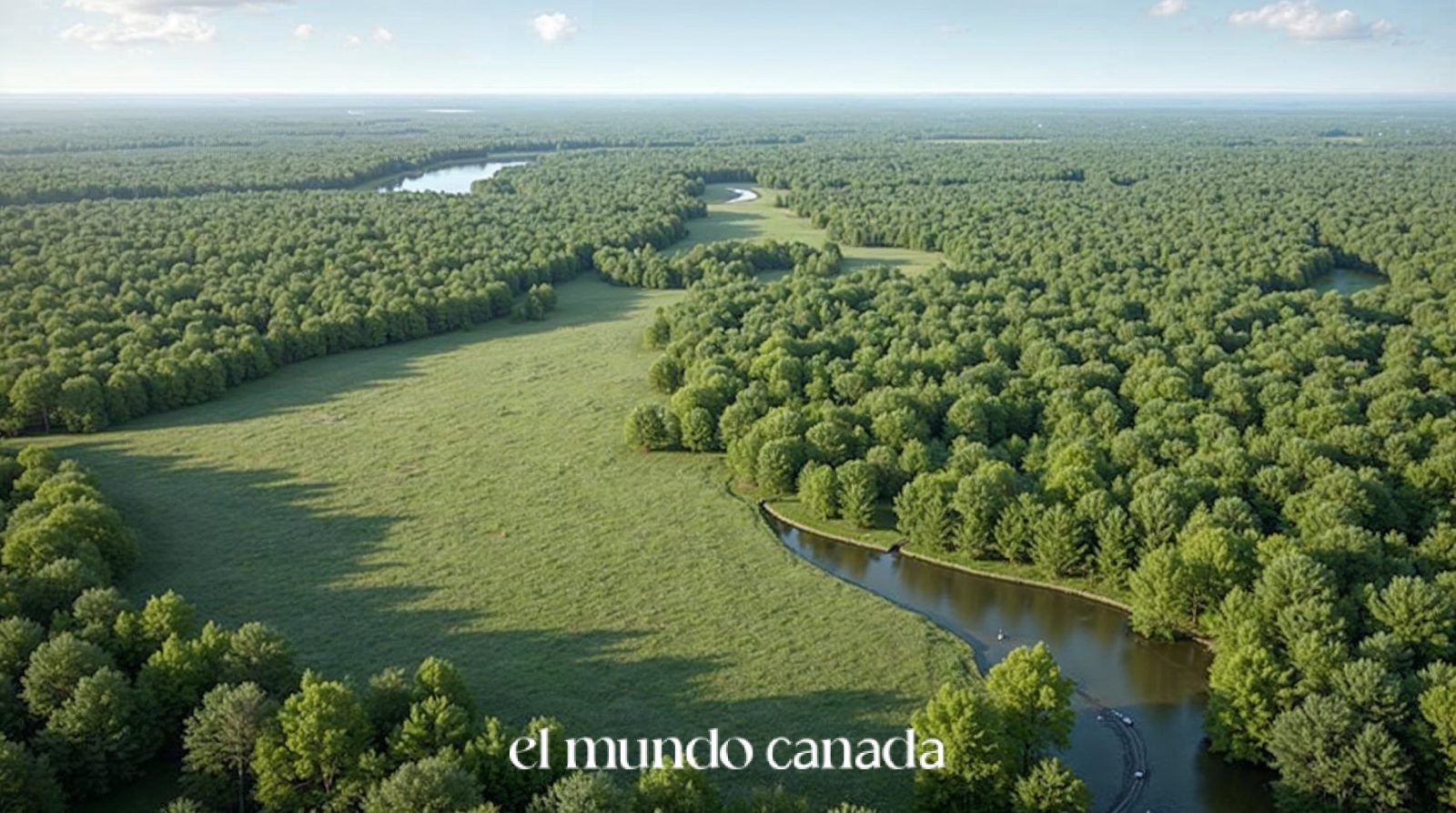
What the Ottawa Greenbelt Is
Wrapped around the nation’s capital is a 20,000-hectare ring of farmland, forest, and wetland known as the Greenbelt — one of the largest publicly owned greenbelts in the world, and a deliberate buffer between urban Ottawa and the rural communities that surround it. Established in the 1950s, it has quietly shaped the city’s growth for seven decades, even though most residents encounter it only as scenery on the drive out of town.
In this article
Established in the 1950s, Ottawa’s Greenbelt covers roughly 20,000 hectares and ranks among the largest publicly owned greenbelts anywhere in the world.
Who Manages It and Why
The Greenbelt is overseen by the National Capital Commission (NCC), the federal agency responsible for planning and managing federally owned land in the capital region. Its founding purpose was straightforward: prevent Ottawa’s urban footprint from sprawling outward indefinitely by permanently protecting a ring of open land around the city core. That mandate has made the Greenbelt one of the NCC’s central responsibilities, and periodically the agency undertakes comprehensive reviews of how the land within it should be used, balancing agriculture, conservation, recreation, and infrastructure needs against one another.
The Farms Inside the Greenbelt
Agriculture is one of the Greenbelt’s defining features, not an incidental use of the land. Many farming families have worked the same plots within the Greenbelt for multiple generations, producing a mix of crops and livestock that supports both direct food production and the broader regional food system. Farmers operating in the Greenbelt face a distinct set of challenges compared to farmers elsewhere in the region — infrastructure limitations, land-use restrictions tied to the Greenbelt’s protected status, and succession planning complications when farm operations are tied to federally owned rather than privately held land.
The Economic Case for Greenbelt Agriculture
The farms operating within the Greenbelt generate real economic activity that tends to go unrecognized in discussions that focus mainly on the land’s conservation value. Greenbelt agriculture supports jobs in production, processing, and distribution, and contributes millions of dollars annually to the regional economy. Direct-to-consumer models have grown alongside broader local-food trends: farmers’ markets, community-supported agriculture programs, and farm-gate sales all create direct connections between Ottawa residents and the farms operating just outside the urban core. Agritourism has become another meaningful revenue stream, as visitors seeking an authentic rural experience contribute income while building public appreciation for the agricultural landscape the Greenbelt protects.
Environmental Role of the Greenbelt
Beyond agriculture, the Greenbelt functions as a significant piece of environmental infrastructure. It contains wildlife corridors and natural areas that support biodiversity monitoring programs tracking species at risk, and its streams and wetlands play a role in regional water quality. Properly managed farmland within its boundaries also contributes to carbon sequestration and watershed protection, ecosystem services that align with the NCC’s broader climate goals for the region.
The Tension Between Farming and Conservation
Not everyone who uses or values the Greenbelt wants the same thing from it. Some stakeholders favour expanding recreational access and letting more of the land return to a naturalized state, prioritizing trails, wildlife habitat, and public green space. Farmers, by contrast, argue that active agriculture should remain central to the Greenbelt’s identity, pointing to the food security, environmental services, and economic contributions that working farms provide. Reconciling these visions — production versus preservation, active use versus passive protection — has been a recurring theme every time the NCC has revisited its management plan for the land.
Pressure From a Growing City
The Greenbelt has successfully prevented uncontrolled urban sprawl for decades, but that protection isn’t automatic or permanent — it requires updated policy and sustained political commitment as Ottawa’s population and urban footprint continue to expand. Infrastructure projects, including transportation corridors and utility installations, periodically encroach on Greenbelt land, fragmenting habitat and farmland even when individual projects are modest in scale. Climate change adds another layer of pressure: shifting temperature and precipitation patterns affect farming operations within the Greenbelt directly, meaning any long-term plan for the land needs to account for climate resilience alongside its traditional mandate of containing urban growth.
Why the Greenbelt Still Matters
Seven decades after its creation, the Ottawa Greenbelt remains a rare example of a major North American capital deliberately choosing to permanently protect a ring of rural land around itself, rather than letting the city expand into it unchecked. From the farmers who cultivate its fields to the hikers who use its trails, a wide range of Ottawa residents have a stake in how the land continues to be managed. Its size, its dual role as working farmland and protected green space, and its position as a buffer against urban sprawl make it one of the National Capital Region’s most consequential — if underappreciated — pieces of federal land.
