


Sullivan Mine disaster: A Community Remembers Four Lives Lost Underground
Twenty years ago, the Sullivan Mine disaster forever changed the small city of Kimberley, British Columbia. On June 21, 2006, four workers descended into the historic mine and never returned, victims of a toxic gas exposure that shocked the tight-knit mining community.
In this article
The four victims, Robert Sawatsky, Kim Weitzel, Doug Erickson and Terry Fudge, died from hydrogen sulfide gas exposure in the decommissioned mine on June 21, 2006.
In June 2026, residents gathered to honor the memory of those lost in one of Canada’s most tragic mining accidents. The anniversary serves as a somber reminder of workplace safety challenges that continue to affect the mining industry across the country.
The Tragic Events of June 2006
The Sullivan Mine, once the world’s largest lead-zinc mine, had ceased commercial operations in 2001. However, Teck Resources maintained the site for environmental monitoring and water treatment purposes.
On that fateful summer day, four workers entered an underground area of the decommissioned mine. They encountered deadly hydrogen sulfide gas, a colorless but highly toxic substance that can incapacitate victims within seconds.
The victims included Robert Sawatsky, Kim Weitzel, Doug Erickson, and Terry Fudge. All four men were experienced workers familiar with mining operations. Their deaths sent shockwaves through Kimberley, a community built entirely around the Sullivan Mine’s century-long operation.
Community Gathers for Solemn Anniversary
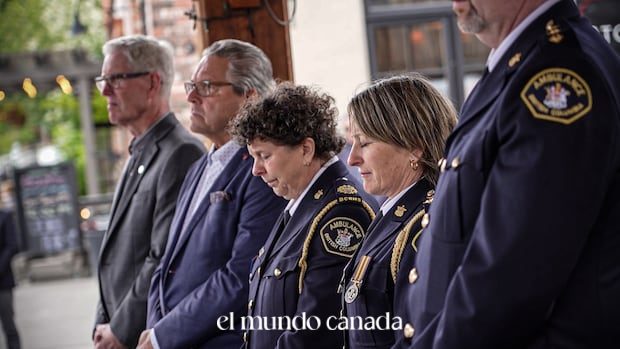
Kimberley residents assembled in June 2026 to mark the 20th anniversary of the tragedy. The memorial event brought together families of the victims, former mine workers, and community members who remember the profound impact of that day.
Local officials spoke about the lasting effects on the community. The Sullivan Mine tragedy fundamentally changed how residents view workplace safety and corporate responsibility in resource extraction industries.
Family members shared memories of their loved ones, describing them as dedicated workers and beloved community members. The emotional gathering underscored how deeply the loss continues to affect those left behind.
Legacy of Safety Reforms
The Sullivan Mine deaths prompted significant changes in British Columbia’s approach to underground mining safety. Investigators determined that inadequate ventilation and monitoring systems contributed to the fatal gas exposure.
WorkSafeBC implemented stricter protocols for confined space entry following the incident. These regulations now require:
- Continuous atmospheric monitoring in underground environments
- Enhanced training for workers entering potentially hazardous areas
- Improved emergency response procedures
- Regular safety audits of decommissioned mine sites
The tragedy also sparked broader conversations about safety at abandoned and inactive mines across Canada. Many such sites contain ongoing environmental hazards that require careful management.
Kimberley’s Mining Heritage
The Sullivan Mine operated for nearly a century, from 1909 to 2001. At its peak, the operation employed thousands of workers and essentially built the city of Kimberley around its activities.
The mine produced massive quantities of lead, zinc, and silver, contributing significantly to British Columbia’s economy throughout the 20th century. Generations of families depended on Sullivan Mine employment for their livelihoods.
When commercial operations ended, the community faced significant economic challenges. However, Kimberley successfully reinvented itself as a tourism destination, capitalizing on its mountain setting and Bavarian-themed downtown.
The mine disaster anniversary reminds residents of both the prosperity and the sacrifices associated with their mining heritage.
Ongoing Environmental Management
Teck Resources continues operating water treatment facilities at the former Sullivan Mine site. The company monitors and treats water flowing through the underground workings to prevent environmental contamination.
This ongoing presence means workers still access portions of the decommissioned mine regularly. The 2006 tragedy fundamentally changed safety protocols for these operations.
Current procedures require extensive atmospheric testing before anyone enters underground areas. Workers carry personal gas monitors and follow strict entry protocols designed to prevent similar incidents.
The site also serves as a case study for mine reclamation and long-term environmental management at closed mining operations.
Remembering the Victims
Twenty years later, the four men who lost their lives remain deeply missed by their families and community. Memorial plaques and tributes throughout Kimberley ensure their names endure.
Robert Sawatsky left behind a wife and children who have spoken publicly about their loss over the years. His colleagues remember him as a skilled and safety-conscious worker.
Kim Weitzel, Doug Erickson, and Terry Fudge similarly left grieving families who have worked to keep their memories alive. Their deaths transformed them into symbols of workplace safety advocacy.
The anniversary gathering provided an opportunity for collective mourning and reflection on lessons learned from the tragedy.
Looking Forward
The Sullivan Mine disaster remains one of British Columbia’s most significant workplace tragedies. Its legacy lives on through improved safety regulations and heightened awareness of underground hazards.
Mining industry representatives acknowledge that the 2006 deaths catalyzed important changes in how companies approach worker protection. These improvements have likely prevented similar incidents at sites across Canada.
For Kimberley residents, the anniversary serves multiple purposes. It honors those lost while reinforcing the community’s commitment to ensuring such a tragedy never happens again.
As Kimberley marks two decades since the Sullivan Mine disaster, the community demonstrates remarkable resilience alongside enduring grief. The tragedy transformed workplace safety practices across British Columbia’s mining sector while leaving permanent scars on families who lost loved ones.
The anniversary reminds all Canadians about the importance of rigorous safety protocols in hazardous work environments. Those interested in supporting mining safety advocacy can connect with organizations like the Canadian Centre for Occupational Health and Safety to learn more about protecting workers in dangerous industries.
