


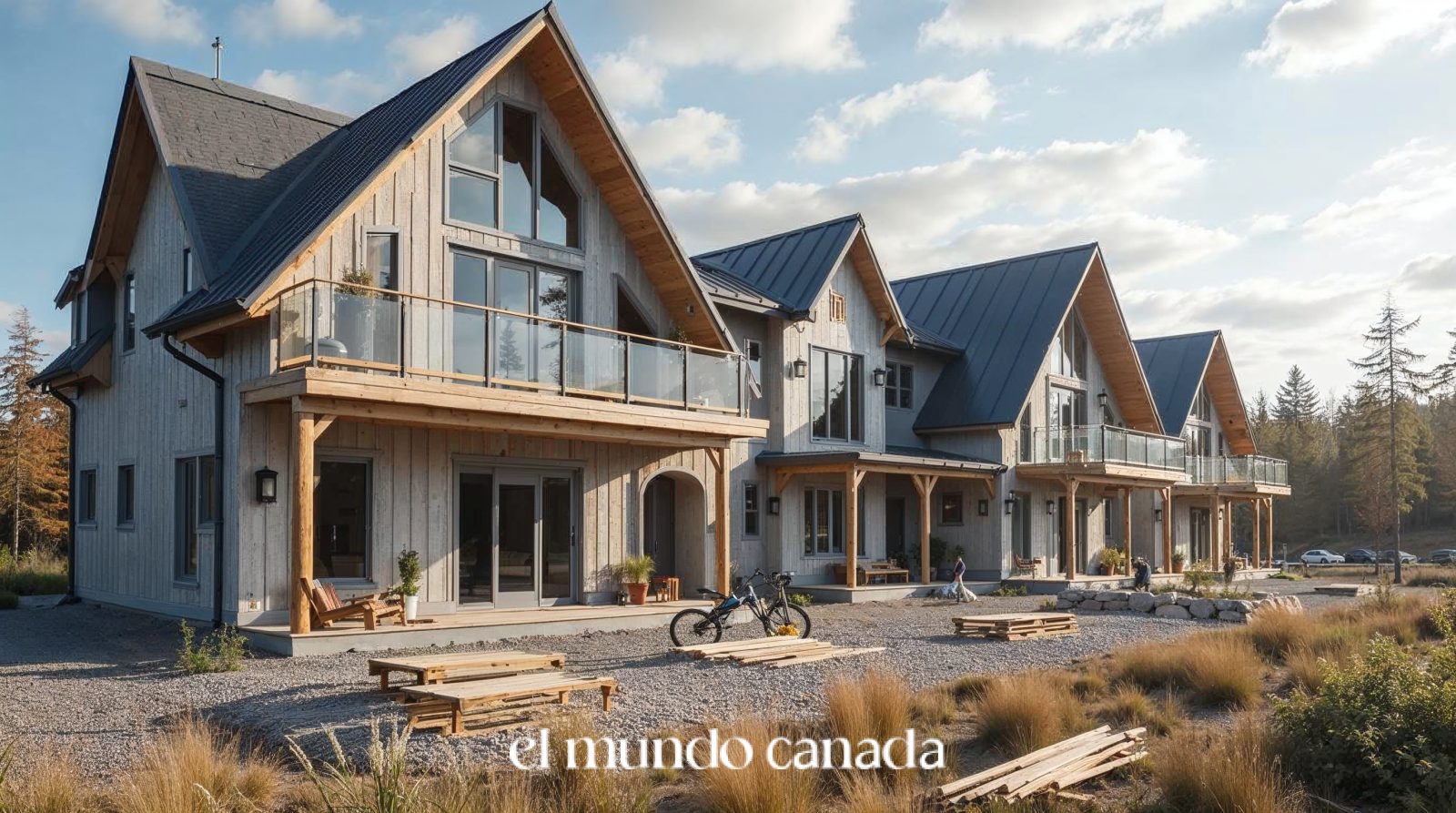
How Modular Home Construction Works
While a conventional house is built board by board on its final site, a modular home is built almost entirely indoors, inside a factory, before ever reaching the property it will sit on. That difference in process — not just in appearance — is why modular construction has become one of the most talked-about answers to Canada’s housing shortage, and why companies like Thunder Bay-based Modbox Modular have expanded their operations to meet growing demand.
In this article
Modular homes typically cost 10 to 20 percent less than comparable site-built structures, and can go from factory to completion in weeks rather than months.
Why Modular Costs Less
The savings behind modular construction come from several sources at once: bulk material purchasing across many units rather than one at a time, reduced labour hours because factory teams work with standardized processes, and less material waste since components arrive in the exact quantities a build requires. For first-time homebuyers and families working with tight budgets, those combined savings can be the difference between owning a home and continuing to rent.
Speed Is the Biggest Selling Point
Traditional construction is at the mercy of weather, seasonal labour availability, and sequential on-site work that can’t easily be parallelized. Modular construction sidesteps most of that: because the bulk of the work happens inside a controlled factory environment, weather delays become largely irrelevant, and modules for a given home can often be completed in weeks rather than the months a comparable site-built home would require. Once modules are finished, they’re transported to the final site and assembled, a process that’s dramatically faster than building from the ground up on location.
Quality and Sustainability
Modular construction has largely shed its older reputation for inferior quality. Modern factory-built homes are generally built to meet or exceed standard building codes, and the controlled manufacturing environment allows for precise quality control at every stage — each component is typically inspected before it ever leaves the factory, reducing the chance of defects that might otherwise go unnoticed until a home is already occupied. The same controlled environment also tends to produce less waste than traditional site building, since materials arrive pre-measured and excess can be recycled or reused across other builds rather than discarded on-site.
Why Northern and Remote Communities Benefit Most
Places like Thunder Bay and the rest of Northern Ontario face housing pressures that are compounded by geography: remote locations, harsh winters, and short construction seasons have historically limited how much building could happen in a given year. Because modular homes are built indoors, manufacturers in these regions can keep production running through the winter months when traditional site construction would normally grind to a halt, providing a more consistent supply of housing units even during the region’s harshest weather. Keeping that manufacturing local also keeps the economic benefit in the community — local workers building homes largely for local residents, rather than materials and labour flowing in from elsewhere.
Regulatory and Financing Changes
Modular construction’s growth has been helped along by regulatory and financial shifts that removed some of its historical barriers. Several provinces have updated their building codes specifically to better accommodate modular and prefabricated construction, formally recognizing factory-built housing as a legitimate, code-compliant option rather than a lesser alternative. Mortgage lending has followed a similar path: financing for modular homes now largely mirrors what’s available for traditional construction, closing off what used to be one of the bigger practical obstacles to buyers choosing modular in the first place.
The Jobs Modular Construction Creates
A modular manufacturing operation needs workers across a range of skilled trades — carpentry, electrical work, plumbing, and general manufacturing roles among them — all based at a fixed factory location rather than scattered across job sites. That structure tends to produce more stable, year-round employment than traditional construction work, which is often seasonal and project-dependent. It also creates a systematic, repeatable production environment that can work well as a training ground for apprentices and entry-level workers entering the trades, since the same processes get repeated build after build rather than varying from site to site.
Where the Industry Is Headed
Technology continues to reshape how modular homes get designed and built. Computer-aided design now allows for significant customization without sacrificing manufacturing efficiency, and some manufacturers integrate smart-home technology directly during factory construction, which is generally simpler and cheaper than retrofitting it into a finished house later. Combined with persistent housing shortages across the country and growing regulatory acceptance, those trends suggest modular construction’s share of Canada’s housing supply is likely to keep growing, particularly in northern and remote regions where the traditional building season has always been the biggest constraint.
