


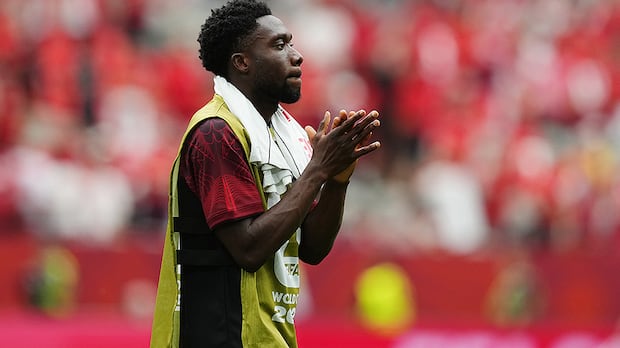
The Alphonso Davies World Cup injury situation took a surprising turn Wednesday when Canada’s head coach Jesse Marsch revealed the star captain was never fit to play against Switzerland. Instead, the coaching staff used Davies as a strategic decoy to keep opponents guessing during their crucial Group F opener.
Canada fell 1-0 to Switzerland at BMO Field in Toronto, and the absence of their talisman proved costly. The revelation about Davies’ fitness has sparked widespread discussion about tactical gamesmanship at the highest level of international football.
Marsch Reveals Davies Decoy Strategy
Head coach Jesse Marsch addressed reporters after the match, explaining the unconventional decision to include Davies on the bench despite knowing he couldn’t contribute on the pitch.
“Alphonso wasn’t ready to play,” Marsch stated candidly during his post-match press conference. “We wanted to use him as a decoy to make Switzerland think about the possibility of him coming on.”
The Bayern Munich winger had been dealing with a fitness concern heading into the tournament. Marsch and his medical staff determined the risk of aggravating the issue outweighed the potential reward of fielding their most dangerous attacking threat.
This calculated gamble represents a bold approach from the American-born coach. Keeping Davies visible on the substitutes’ bench forced Switzerland to account for his potential introduction, even though that scenario was never realistic.
Canada’s World Cup 2026 Opening Match Disappointment
The Canadian Men’s National Team entered their home World Cup with enormous expectations. Playing on Canadian soil added extra pressure and motivation for the squad to deliver a memorable performance.
Switzerland controlled large portions of the match, capitalizing on Canada’s missing creative spark. Without Davies’ explosive pace and dribbling ability on the left flank, Canada struggled to generate consistent attacking momentum.
The Swiss defense appeared more comfortable knowing they wouldn’t face Davies’ trademark bursting runs down the wing. Their tactical approach reflected confidence that Canada’s primary threat remained sidelined.
Breel Embolo scored the decisive goal, condemning Canada to a defeat that complicates their path out of Group F. The margin between the teams might have been different with a fully fit Davies terrorizing the Swiss backline.
Understanding the Tactical Decoy Approach
Using injured players as psychological weapons isn’t unprecedented in football, though it remains controversial. Coaches occasionally list unfit stars in matchday squads hoping to influence opponent preparation and in-game decisions.
The strategy carries inherent risks. Opposition scouts and analysts now know Davies wasn’t match-ready, potentially revealing information Canada would prefer to keep confidential.
Marsch defended the approach as necessary given the circumstances. “Every little advantage matters at this level,” he explained. “We felt it was worth trying to create some uncertainty.”
Switzerland’s coaching staff may have suspected something was amiss when Davies remained seated throughout the second half. Even with Canada chasing the game, their captain never warmed up seriously along the touchline.
Davies’ Injury Timeline and Recovery Prospects
The specific nature of Alphonso Davies’ injury hasn’t been fully disclosed by the Canadian Soccer Association. Privacy around player medical information is standard practice, though fans understandably want clarity about their star’s availability.
Davies traveled with the squad and participated in limited training activities during the week. His presence at team facilities suggested he remained engaged with preparation despite his physical limitations.
Canada faces must-win scenarios in their remaining group matches. Having Davies available against Serbia and potentially other opponents could determine whether the host nation advances to the knockout rounds.
The 24-year-old has experienced injury challenges throughout his career, though his recovery abilities typically prove impressive. His professionalism and dedication to fitness regimens give Canada hope for his imminent return.
What This Means for Canada’s Tournament Hopes
Losing the opening match significantly raises the stakes for Canada’s subsequent fixtures. The mathematics of World Cup group stage advancement now require positive results in matches where Davies’ participation becomes critical.
Marsch must balance short-term urgency against long-term player welfare. Rushing Davies back prematurely could result in a more severe injury, potentially ending his tournament entirely.
The coaching staff faces difficult conversations about risk tolerance. Davies himself likely wants to compete regardless of discomfort, making objective medical assessments essential.
Canada’s depth at the wing position offers some consolation. Players like Tajon Buchanan provide quality alternatives, though none possess Davies’ unique combination of speed, skill, and big-game experience.
Fan and Media Reaction to the Decoy Revelation
Canadian supporters expressed mixed reactions to learning their captain was never genuinely available. Some appreciated the tactical creativity, while others questioned the ethics of listing unavailable players.
Social media discussions highlighted the emotional investment fans place in seeing their heroes compete. The disappointment of defeat compounded with frustration over the Davies situation created significant online discourse.
Media analysts debated whether the decoy strategy actually influenced Switzerland’s approach. Some argued experienced international teams see through such tactics, rendering the gamesmanship ineffective.
The broader football community will monitor how this situation unfolds. Other nations might adopt similar approaches if Canada’s gambit proves successful in future matches.
Looking Ahead: Canada’s Path Forward
Canada’s World Cup 2026 journey continues despite this opening setback. The team demonstrated competitive qualities even without their best player, suggesting potential for improvement.
Davies’ return could transform Canada’s attacking capabilities instantly. His ability to create chances individually and attract defensive attention opens space for teammates.
The home crowd will rally behind their team regardless of early disappointment. Canadian football has grown tremendously, and this tournament represents a watershed moment for the sport nationally.
Marsch and his staff must regroup quickly and prepare for upcoming challenges. The Alphonso Davies World Cup injury saga will resolve itself in coming days, hopefully with positive news for Canadian football fans worldwide.
