


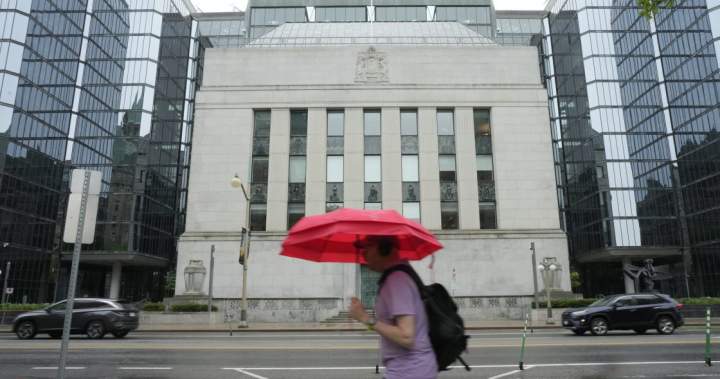
The Bank of Canada announced on July 15, 2026, that it will keep its benchmark interest rate steady at 2.25 percent, marking the fifth monetary policy decision of the year. However, Governor Tiff Macklem delivered a stern warning that borrowing costs could increase if the ongoing conflict in Iran continues to push oil prices higher and trigger persistent inflation across the Canadian economy.
This decision comes at a critical time for Canadian households and businesses who have been grappling with the economic ripple effects of geopolitical instability in the Middle East. While many Canadians may breathe a sigh of relief that rates remain unchanged for now, the central bank’s cautious tone suggests that the path forward remains uncertain and heavily dependent on global events beyond Canada’s borders.
Rising Oil Prices Fuel Inflation Concerns
The war in Iran has had a significant impact on global energy markets, sending oil prices soaring and directly affecting what Canadians pay at the pump. Inflation has climbed above three percent in recent months, with gasoline costs skyrocketing throughout the spring season. For many families in the Latin community and across Canada, these rising costs have put additional pressure on already stretched household budgets.
Despite these challenges, Governor Macklem noted that prices for most goods and services outside of gasoline have remained relatively stable thus far. However, he emphasized that this situation could deteriorate if the conflict persists.
“War-related cost pressures are still working their way through some consumer prices. We’ve been looking through the direct effects of higher oil prices on inflation, but the longer they remain elevated, the bigger the risk they spill over to other goods and services. We will not let higher oil prices become persistent inflation.”
These words from the Governor underscore the delicate balancing act that the central bank must perform. While officials want to support economic growth, they are equally committed to preventing runaway inflation that could erode the purchasing power of Canadian workers and families.
What This Means for Canadian Households
For Canadians with variable-rate mortgages, lines of credit, or other loans tied to the prime rate, the decision to hold rates steady provides temporary relief. However, the possibility of future rate increases means that households should remain prepared for potential changes in their monthly payments.
The key factors that the Bank of Canada is monitoring include:
- Global oil prices and their trajectory in relation to the Iran conflict
- Core inflation rates and whether price increases spread beyond energy
- Overall economic growth and employment conditions in Canada
- The impact of U.S. tariffs on cross-border trade
- Consumer spending patterns and business investment levels
Economic experts had widely anticipated that the central bank would maintain its current stance. David-Alexandre Brassard, chief economist at CPA Canada, noted that with core inflation now very close to the target level and economic conditions showing improvement, there was little justification for the bank to intervene at this time.
Looking Ahead: Scenarios for Future Rate Decisions
The Bank of Canada has made it clear that its current forecast is based on the expectation that oil prices will eventually moderate. However, if energy costs remain elevated for an extended period, the calculus could change dramatically.
Governor Macklem outlined the potential progression of events that could force the bank’s hand. If oil prices continue to climb or remain at high levels, there is an increasing likelihood that these costs will be passed on to consumers across a broader range of products and services. This broadening of price increases could then become persistent, embedding itself into the Canadian economy.
The central bank updates its monetary policy several times throughout the year, carefully analyzing economic reports on gross domestic product, employment figures, and inflation data. Each decision represents an attempt to strike the right balance between maintaining price stability and fostering economic growth.
For the Latin community in Canada, many of whom work in sectors directly affected by economic fluctuations, these monetary policy decisions can have real-world implications for job security, housing affordability, and the ability to send remittances to family members abroad. Staying informed about these developments is essential for making sound financial decisions in uncertain times.
As the situation in Iran continues to evolve, Canadians should keep a close eye on future Bank of Canada announcements. The next monetary policy decision will provide additional insight into whether the central bank believes the economic outlook has improved or whether more aggressive action may be necessary to combat inflation.
