


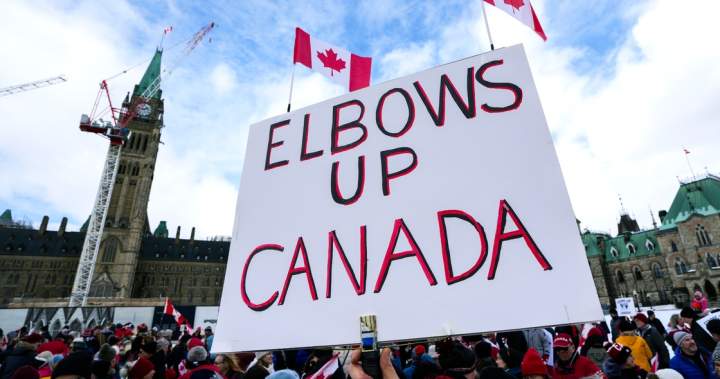
A significant majority of Canadians are ready to stand firm against American trade aggression, according to fresh polling data released on July 27, 2026. The Angus Reid Institute survey reveals that 62 percent of Canadians support some form of retaliatory tariffs against the United States, signaling a nation prepared to defend its economic interests in an escalating trade conflict.
The poll arrives at a critical moment, as Canada braces for sweeping 50 percent tariffs set to take effect next month. These duties will impact a wide range of Canadian exports, affecting industries and workers across the country, including many in the Latin community who work in manufacturing, agriculture, and cross-border trade sectors.
What the Poll Numbers Reveal About Canadian Sentiment
The Angus Reid Institute conducted its online survey between July 23 and 25, 2026, gathering responses from a randomized sample of 1,790 Canadian adults. The results paint a clear picture of a population willing to engage in economic confrontation with its southern neighbor.
- 34 percent of respondents want the government to match U.S. tariffs dollar for dollar
- 28 percent support limited counter-tariffs as a measured response
- 19 percent prefer negotiating a trade deal without imposing retaliatory measures
- 7 percent believe Canada should make concessions to avoid the tariff war
- 12 percent remain uncertain about the best course of action
These figures demonstrate that Canadian support for tariff retaliation extends across a broad spectrum of approaches, from aggressive matching strategies to more cautious countermeasures. The common thread is a willingness to respond rather than capitulate to American trade demands.
Confidence in Government Leadership Faces Challenges
While Canadians support retaliatory action, their confidence in Prime Minister Mark Carney’s ability to secure a favorable trade agreement has declined since spring 2026. Currently, only 43 percent of Canadians believe Carney can deliver a good deal for the country, down from 51 percent in April.
Half of respondents expressed doubt about the government’s negotiating capabilities, with 26 percent citing the Carney administration as unqualified to handle President Trump, while 24 percent blamed the unpredictable nature of the Trump administration itself.
This erosion of confidence presents a political challenge for the federal government as it navigates one of the most significant trade disputes in Canadian history. For Latino Canadians and immigrant communities who often rely on stable trade relationships for employment in affected industries, these negotiations carry particular weight.
Key Trade Issues: Dairy and Alcohol at the Center
The U.S. has identified Canada’s supply management system for dairy products as a major trade irritant. Canadian public opinion on this issue reveals a divided population grappling with complex economic questions.
- 42 percent believe Canada should maintain supply management protections during negotiations
- 44 percent think supply management could serve as a bargaining chip
- 61 percent oppose granting more market access to American dairy products
- 48 percent support keeping American alcohol off Canadian store shelves
The removal of American alcohol products from provincial liquor stores earlier in the trade dispute represented one of Canada’s most visible retaliatory measures. Nearly half of Canadians surveyed believe these products should remain unavailable, reflecting the depth of consumer sentiment against American trade policies.
What This Means for the Latin Community in Canada
For the Latino population in Canada, the ongoing tariff conflict creates both challenges and opportunities. Many community members work in industries directly affected by trade tensions, including automotive manufacturing, agriculture, and food processing. Understanding tariff retaliation and its implications becomes essential for financial planning and career decisions.
The trade war has also intensified Canadian nationalism, with lasting effects on cross-border relationships. According to Ipsos polling conducted one year ago, approximately 75 percent of Canadians intended to avoid travel to the United States, while 72 percent actively avoided purchasing American-made goods. These sentiments appear to have persisted, creating a new normal in Canadian consumer behavior.
Practical Considerations for Affected Workers
Families in the Latin community should consider several factors as tariff retaliation unfolds. Workers in export-dependent industries may want to explore skills training programs and diversification opportunities. Small business owners should review their supply chains and consider Canadian alternatives where possible. Those with cross-border family ties may face increased costs for travel and shipping.
The federal government faces mounting pressure from opposition parties and business groups to secure a resolution with Washington. The Conservative shadow minister has demanded that Prime Minister Carney present a clear plan for addressing the tariff threat. Meanwhile, chambers of commerce across the country are calling for enhanced internal trade measures to strengthen the Canadian economy against external pressures.
As this trade conflict continues to evolve, staying informed about policy developments and their community impacts remains crucial. The coming months will test Canadian resolve and determine whether the strong support for tariff retaliation translates into sustained economic policy that protects workers and industries nationwide.
