


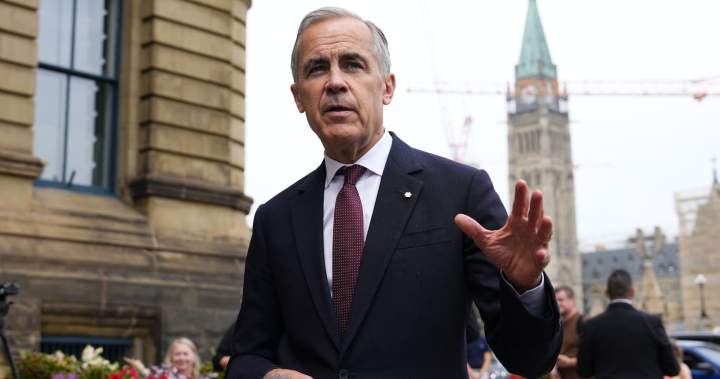
Prime Minister Mark Carney is preparing for one of the most ambitious economic initiatives in recent Canadian history. In September 2026, the federal government will host the Canada Investment Summit in Toronto, a two-day event designed to attract international business leaders and reverse what experts are calling the most significant capital exodus the country has ever experienced.
The stakes could not be higher for Canada’s economic future. According to a recent Royal Bank of Canada report, approximately $1 trillion in foreign investment left the Canadian economy over the past nine years. The sobering statistic reveals that for every dollar invested in Canada during this period, two dollars exited the country. This capital flight has created significant challenges for economic growth and job creation across all provinces.
What the Canada Investment Summit Aims to Achieve
The Canada Investment Summit represents Carney’s flagship effort to reposition the country as a premier destination for foreign direct investment. The government is targeting a complete reversal of capital flight trends over the next five years, an objective that industry observers describe as both ambitious and challenging. International CEOs, institutional investors, and business leaders from around the world are being invited to participate in discussions about investment opportunities across multiple sectors.
“It’s certainly an ambitious target and challenging to attain. But there is enthusiasm from the business community to invest in Canada that we haven’t seen in a while.”
This assessment from Marc Desormeaux, a vice-president with the Business Council of Canada, reflects cautious optimism about Carney’s economic strategy. The business community appears receptive to the government’s new direction, though concrete commitments from international investors remain to be seen as the summit approaches.
Key Policies Driving the Investment Push
The Carney government has implemented several significant policy changes aimed at making Canada more attractive for foreign capital. These initiatives represent a notable shift from previous administrations and signal a new approach to economic development.
- Creation of a Major Projects Office to expedite significant infrastructure and development projects
- Reduction of regulatory burdens that previously slowed business operations
- Aggressive pursuit of new trade partnerships with global economies
- Modifications to environmental protection frameworks to facilitate development
- Strengthened economic ties with the European Union through recent G7 partnerships
These policy shifts have already shown some early results. Foreign direct investment reached $96.8 billion in 2025, marking the highest capital inflow to the Canadian economy since 2007. However, economists remain divided on whether this increase stems directly from Carney’s policies or broader market conditions.
New Trade Relationships and Global Partnerships
Beyond the investment summit, Carney has been actively expanding Canada’s trade relationships with both traditional and non-traditional partners. Despite ongoing trade tensions with the United States under President Donald Trump’s administration, Canada has made progress in negotiations with major economies including China and India. The government has also established new connections with Gulf nations including Qatar, Saudi Arabia, and the United Arab Emirates.
The Prime Minister’s recent trip to the G7 summit in France yielded approximately $5 billion in partnerships between Canadian companies and firms in Germany, Japan, Italy, Denmark, the Netherlands, France, and Portugal. These agreements demonstrate growing international confidence in Canada’s economic direction and provide momentum heading into the September summit.
What This Means for Canadians and the Latin Community
For Canadians across all communities, increased foreign investment could translate into more job opportunities, economic growth, and improved prosperity. The Latin community in Canada, which has significant representation in sectors including construction, technology, and services, stands to benefit from expanded business activity and new employment opportunities.
Cost of living remains the top concern for Canadian voters, with 64 percent identifying it as their primary issue according to recent Abacus Data polling. The Carney government appears to be betting that attracting foreign capital will help address economic pressures facing families across the country. Current polling shows the Liberals maintaining a seven-percentage-point lead over Pierre Poilievre’s Conservative Party, suggesting voters are receptive to this economic approach.
As the Canada Investment Summit approaches in September, the government has not yet confirmed final attendance numbers. A spokesperson for International Trade Minister Maninder Sidhu indicated that interest remains strong and the minister continues actively engaging potential international investors. The success of this initiative could define Carney’s economic legacy and shape Canada’s financial future for years to come.
