


A groundbreaking expedition led by the Royal Canadian Geographical Society has unveiled the first-ever images of the Quest, the historic vessel where renowned Antarctic explorer Sir Ernest Shackleton took his final breath more than a century ago.
The ship now rests at the bottom of the Labrador Sea, approximately 80 kilometres off the southern coast of Labrador at a depth of nearly 390 metres. The haunting footage captured on Wednesday reveals the bow standing upright on the ocean floor, its distinctive portholes appearing like watchful eyes gazing into the darkness. Tangled fishing nets now drape over the once-proud vessel, which has become a sanctuary for various marine life.
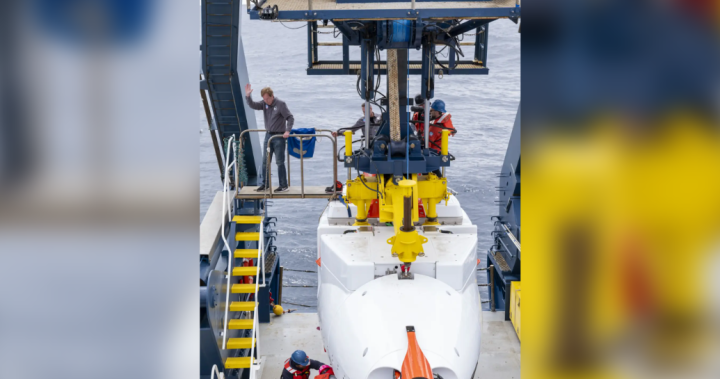
John Geiger, the society’s chief executive officer, descended to the wreck site in a submersible on Tuesday, becoming one of the first people to lay eyes on the Quest since it sank in 1962. Standing on the same deck where Shackleton suffered a fatal heart attack at just 47 years old, Geiger described feeling an extraordinary connection to the legendary Anglo-Irish explorer whose death marked the conclusion of what historians call the heroic age of Antarctic exploration.
Shackleton earned his place in history through his remarkable 1914 Antarctic expedition aboard the Endurance, which became trapped and crushed by ice. Against all odds, he managed to rescue his entire crew through a series of daring missions spanning several months. The Quest, a schooner-rigged steamship, was purchased specifically for journeys to Canada’s High Arctic before becoming the explorer’s final resting place.
The current mission, named the Heroic Age Expedition, employs advanced underwater technology from Newfoundland-based Kraken Robotics to create a detailed three-dimensional digital model of the wreck for public viewing. The team also plans to survey the Terra Nova shipwreck near Greenland, the vessel that carried explorer Robert Falcon Scott to Antarctica in 1910. Geiger hopes this project will inspire a new generation of young explorers while highlighting the urgent need for ocean conservation.
