


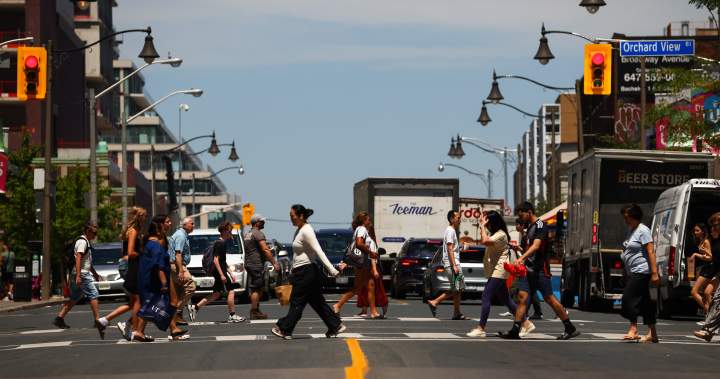
Residents of Canada’s largest city woke up on July 15, 2026, to an alarming sight: orange-tinted skies and air so polluted that Toronto earned the unfortunate distinction of having the worst air quality on the planet. The culprit behind this environmental emergency is dense smoke drifting from raging forest fires in northwestern Ontario, creating hazardous breathing conditions for millions of people across the Greater Toronto Area.
Toronto Surpasses Global Pollution Hotspots
According to IQAir, the Swiss-based air quality technology company that operates the world’s largest real-time air monitoring platform, Toronto claimed the top spot for worst air quality as of noon on July 15. The Canadian metropolis surpassed cities notorious for poor air conditions, including Kinshasa in the Democratic Republic of the Congo, Delhi in India, Dubai in the United Arab Emirates, and Jerusalem in Israel.
This shocking ranking serves as a stark reminder of how quickly wildfire smoke can transform one of the world’s most livable cities into an environmental hazard zone. The situation has prompted health officials to urge extreme caution among all residents, particularly those belonging to vulnerable populations.
Environment Canada Issues Urgent Warning
Federal environmental authorities have issued an orange air quality warning covering much of southern Ontario. Officials have indicated that the smoky conditions could persist through Friday in certain regions, meaning residents may face several more days of compromised air quality.
“You may experience mild and common symptoms such as eye, nose and throat irritation, headaches or a mild cough. More serious but less common symptoms include wheezing, chest pains or severe cough. If you think you are having a medical emergency, seek immediate medical assistance,” Environment Canada stated in its official advisory.
The agency has specifically identified several groups who face heightened risks from wildfire smoke exposure and should take extra precautions:
- Adults aged 65 and older
- Pregnant individuals
- Infants and young children
- People with existing illnesses or chronic health conditions
- Outdoor workers
These vulnerable populations are strongly advised to avoid strenuous outdoor activities and seek medical attention immediately if they experience any concerning symptoms.
Major Events Cancelled as City Responds
The hazardous air conditions have already forced the cancellation of significant public gatherings. The FIFA Fan Festival, which has been hosting popular watch parties throughout the FIFA World Cup tournament, announced the cancellation of its July 15 event. Organizers cited the health and safety of attendees, staff, volunteers, and emergency personnel as their primary concern. Those who purchased premium tickets will receive direct communication regarding refund procedures.
This cancellation represents a significant disappointment for soccer fans who have been gathering in large numbers to celebrate the World Cup festivities. However, public health officials have emphasized that limiting outdoor exposure remains essential during this air quality emergency.
Heat Wave Compounds Health Concerns
The wildfire smoke crisis arrives during an already challenging period for Toronto residents. The city has been under a heat warning since July 13, with temperatures on July 15 expected to reach between 30 and 36 degrees Celsius. When factoring in humidity, the perceived temperature could feel as high as 38 to 42 degrees Celsius.
July 14 marked the most intense day of the current heat wave, with humidex values making temperatures feel like 38 to 45 degrees Celsius across parts of southern Ontario. The combination of extreme heat and poor air quality creates particularly dangerous conditions, as residents face competing pressures to stay cool while also protecting their respiratory health.
Environment Canada has advised residents to prioritize remaining indoors in cool environments whenever possible. The heat is expected to continue into the evening hours and may persist through Thursday or Friday, especially in areas near Lake Erie and Lake Ontario.
Protecting Yourself During This Crisis
Health authorities recommend several strategies for minimizing exposure during this period of hazardous air quality:
- Limit time spent outdoors, especially during peak smoke conditions
- Keep windows and doors closed to prevent smoke from entering homes
- Use air purifiers with HEPA filters if available
- Stay hydrated and keep cool to manage heat stress
- Monitor local air quality reports regularly for updates
- Have necessary medications readily available for those with respiratory conditions
As northwestern Ontario continues to battle forest fires, Toronto residents must remain vigilant and prepared for potentially extended periods of compromised air quality. The situation underscores the growing impact of climate-related events on urban centers and the importance of having emergency response plans in place for environmental crises.
