


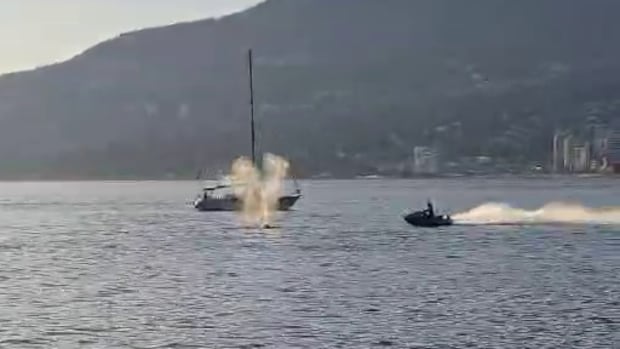
British Columbia’s busy shipping lanes are increasingly becoming danger zones for some of the world’s most majestic marine mammals. As vessel traffic continues to surge along Canada’s Pacific coastline, experts and conservationists are raising urgent concerns about the rising number of whale ship strikes—a threat that poses significant risks to endangered species and marine ecosystems.
What Are Whale Ship Strikes?
Whale ship strikes occur when vessels collide with whales, often resulting in severe injuries or death for these marine giants. These incidents happen when whales surface to breathe, feed, or rest in areas where ships are transiting. Due to the massive size and speed of commercial vessels, whales frequently cannot evade oncoming ships in time.
Why Are Whale Strikes Increasing in British Columbia?
Several factors contribute to the growing concern over whale ship strikes in British Columbia:
- Increased Shipping Traffic: The Port of Vancouver is Canada’s largest port, handling hundreds of millions of tonnes of cargo annually. This heavy maritime activity creates more opportunities for dangerous encounters with whales.
- Whale Migration Routes: British Columbia’s waters serve as critical habitat and migration corridors for several whale species, including humpback whales, grey whales, fin whales, and the endangered North Pacific right whale.
- Climate Change Effects: Shifting ocean temperatures are altering prey distribution, causing whales to forage in new areas that may overlap more frequently with shipping lanes.
- Population Recovery: Conservation efforts have helped some whale populations recover, meaning more whales are present in busy coastal waters.
Which Whale Species Are Most at Risk?
Humpback Whales
Humpback whales have made a remarkable comeback along the British Columbia coast after decades of protection. However, their feeding behaviors—which often occur near the surface—make them particularly vulnerable to ship strikes.
Southern Resident Killer Whales
The critically endangered Southern Resident killer whale population, numbering fewer than 75 individuals, faces multiple threats including ship strikes. Every loss is devastating for this struggling population.
Grey Whales
Grey whales migrate along the entire Pacific coast, passing through British Columbia’s waters twice yearly. Their coastal travel patterns bring them into frequent contact with vessel traffic.
Fin Whales
As the second-largest animals on Earth, fin whales are surprisingly susceptible to ship strikes. Their speed and surface feeding habits increase collision risks.
The Environmental and Ecological Impact
Whale ship strikes don’t just affect individual animals—they have broader ecological consequences:
- Population-Level Effects: For endangered species like Southern Resident killer whales, even a single death can impact long-term population viability.
- Ecosystem Disruption: Whales play crucial roles in marine ecosystems, including nutrient cycling and supporting biodiversity.
- Economic Implications: Whale watching tourism generates significant revenue for British Columbia’s coastal communities.
Current Mitigation Measures in British Columbia
Authorities and conservation organizations have implemented several strategies to reduce whale ship strikes:
Voluntary Slowdown Programs
Transport Canada and the Vancouver Fraser Port Authority have established voluntary vessel slowdown programs in key areas. Reducing ship speeds gives whales more time to detect and avoid approaching vessels.
Whale Detection Systems
Hydrophone networks and whale detection technologies help identify whale presence in shipping lanes, allowing vessels to adjust routes or speeds accordingly.
Mariner Notification Systems
Real-time whale sighting reports are shared with vessel operators through apps and communication systems, enabling proactive collision avoidance.
Seasonal Shipping Adjustments
During peak whale activity periods, enhanced monitoring and additional precautions are encouraged for vessels transiting sensitive areas.
What Experts Are Saying
Marine biologists and conservation experts emphasize that current measures, while helpful, may not be sufficient to adequately protect whale populations. Many advocate for:
- Mandatory speed restrictions in critical habitat areas
- Expanded monitoring programs using advanced technology
- International cooperation on shipping practices
- Increased research funding to better understand whale movements
How You Can Help Protect Whales in British Columbia
Report Whale Sightings
If you spot whales while boating or from shore, report your sightings to organizations like the BC Cetacean Sighting Network. This data helps researchers track whale movements and inform conservation efforts.
Support Conservation Organizations
Organizations working to protect British Columbia’s whales rely on public support. Consider donating to or volunteering with groups focused on marine mammal conservation.
Practice Responsible Boating
If you operate a vessel in British Columbia waters:
- Maintain safe distances from whales (at least 200 meters for most species, 400 meters for killer whales)
- Reduce speed in areas where whales may be present
- Never approach, chase, or intercept whales
Advocate for Stronger Protections
Contact elected officials to express support for enhanced whale protection measures, including mandatory speed restrictions and expanded marine protected areas.
The Future of Whale Conservation in British Columbia
As British Columbia continues to balance economic development with environmental protection, the issue of whale ship strikes remains a critical challenge. The coming years will likely see increased pressure on authorities to implement stronger, legally binding measures to protect these magnificent creatures.
The survival of British Columbia’s whale populations depends on immediate, coordinated action from government agencies, the shipping industry, and the public. With proper safeguards and continued vigilance, it’s possible to maintain thriving maritime commerce while ensuring that whales can safely navigate their ancestral waters.
Frequently Asked Questions (FAQ)
How many whales are killed by ship strikes in British Columbia each year?
Exact numbers are difficult to determine because many struck whales sink and are never recovered. However, researchers estimate that reported incidents represent only a fraction of actual collisions.
