


A Canadian-led expedition has achieved a historic milestone by capturing the first-ever images of the Quest, the vessel aboard which legendary Antarctic explorer Sir Ernest Shackleton took his final breath over a century ago. The Royal Canadian Geographical Society released the remarkable footage on Wednesday, offering the world a glimpse into maritime history resting at the bottom of the Labrador Sea.
The haunting images reveal the ship’s bow standing upright on the ocean floor, approximately 390 meters deep and roughly 80 kilometers off Labrador’s southern coast. The vessel’s distinctive portholes appear to gaze into the dark waters like watchful eyes, while the wreck has become an unexpected sanctuary for various marine species. Tangled fishing nets now drape over portions of the historic ship, a stark reminder of humanity’s impact on ocean environments.
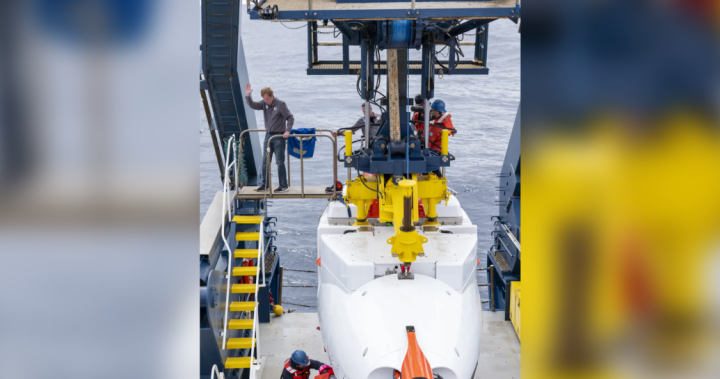
John Geiger, the society’s chief executive officer and expedition leader, descended to the wreck site on Tuesday in a submersible, becoming one of the first humans to witness the Quest since it sank in 1962. Standing on the same deck where Shackleton suffered a fatal heart attack at age 47, Geiger described feeling a profound connection to the Anglo-Irish explorer whose death marked the conclusion of what historians call the heroic age of Antarctic exploration.
Shackleton remains celebrated for his extraordinary 1914 Antarctic expedition aboard the Endurance, which became trapped and crushed by ice. Against all odds, he managed to rescue his entire crew through a series of daring journeys, cementing his legacy as one of history’s greatest polar explorers. The Quest was specifically purchased by Shackleton to venture into Canada’s High Arctic before his untimely death.
The expedition team is utilizing advanced underwater technology from Kraken Robotics, a Newfoundland-based company, to construct a detailed three-dimensional digital model of the wreck for public exploration. The mission, dubbed the Heroic Age Expedition, will also survey the Terra Nova shipwreck off Greenland, the vessel that carried explorer Robert Falcon Scott to Antarctica in 1910. Geiger expressed hope that these discoveries will inspire a new generation of young explorers and adventurers.
