


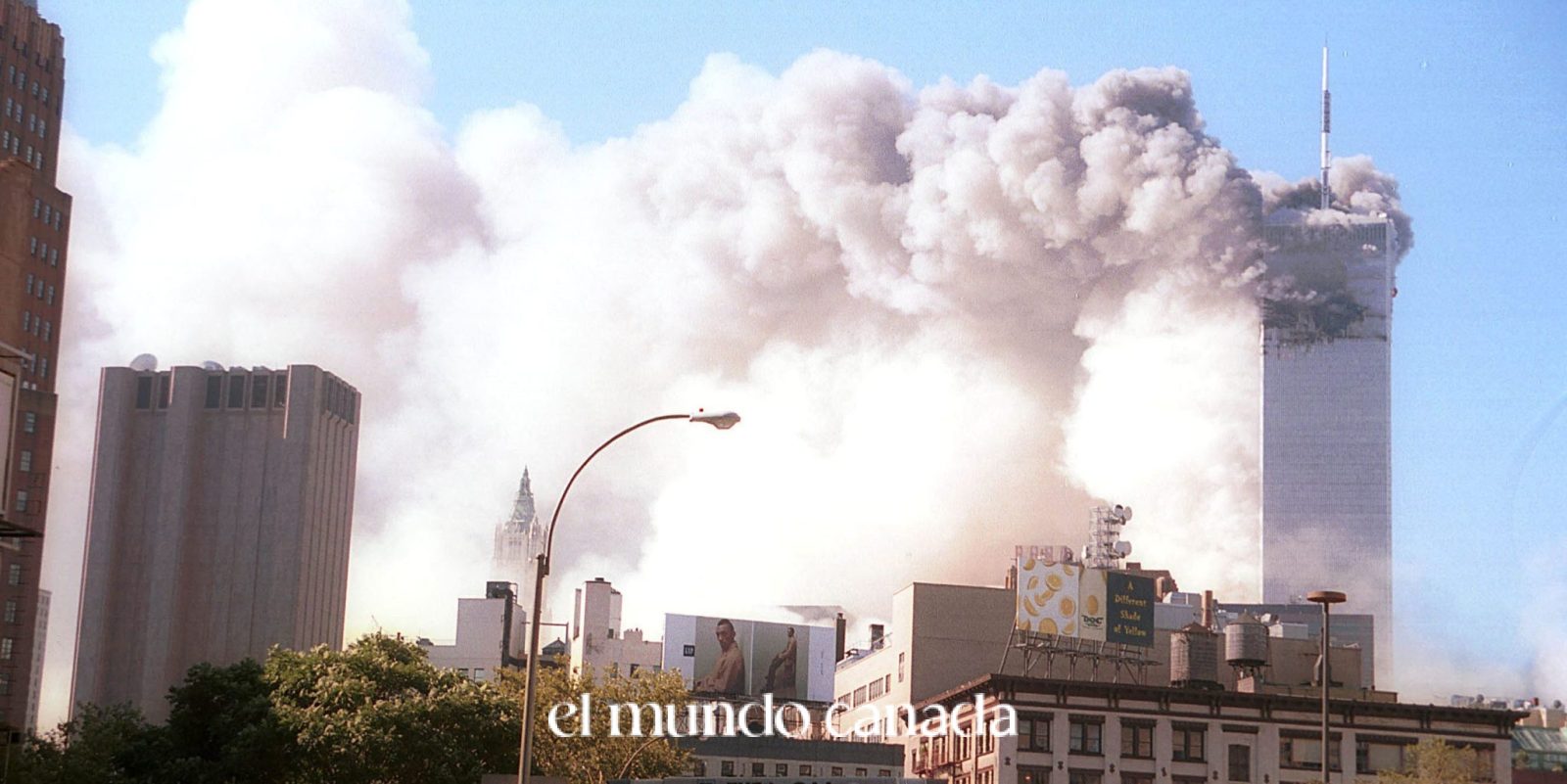
Nearly 24 years after the September 11, 2001 attacks, Canada continues to grapple with the lasting impact of that tragic day on its immigration policies, border security, and Latin American communities. The attacks that killed nearly 3,000 people, including 24 Canadians, fundamentally transformed the relationship between Canada and the United States, creating new challenges for immigrants and travelers that persist to this day.
For the Latin American community in Canada, the post-9/11 era brought unprecedented scrutiny at borders, stricter visa requirements, and a security apparatus that many argue disproportionately affected immigrant communities. As Canada approaches the 25th anniversary in September 2026, understanding this history remains essential for comprehending the immigration landscape that newcomers navigate today.
“September 11 changed everything about how Canada and the United States manage their shared border. The impact on immigrant communities, particularly those from Latin America, has been profound and lasting.”
Canada’s Immediate Response and the 24 Canadian Victims
Among the victims of the 9/11 attacks were 24 Canadian citizens, a fact often overlooked in historical accounts. These Canadians were working in the World Trade Center or traveling on the hijacked flights. Their deaths brought the tragedy directly to Canadian soil, affecting families from Toronto, Montreal, Vancouver, and smaller communities across the country.
Canada’s response to the attacks was swift and remarkable. Operation Yellow Ribbon saw Canadian communities welcome approximately 33,000 stranded passengers when U.S. airspace closed. Towns like Gander, Newfoundland, became symbols of Canadian hospitality, with residents opening their homes to strangers. Many of those stranded passengers were Latin American nationals traveling to or through the United States.
The Canadian government quickly moved to align its security policies with American demands, signing the Smart Border Declaration in December 2001. This agreement fundamentally changed how Canada processed travelers and immigrants, with lasting implications for Latino communities seeking to cross the border for work, family visits, or immigration purposes.
How 9/11 Transformed Canadian Immigration Policy
The security-focused changes implemented after September 11 created significant new barriers for immigrants from Latin America and other regions. The Safe Third Country Agreement, signed in 2002 and implemented in 2004, required asylum seekers to claim refugee status in the first safe country they reached, effectively closing the Canadian border to many fleeing violence in Central America and other regions.
Visa requirements tightened considerably. Countries that previously enjoyed visa-free access to Canada found their citizens subject to new scrutiny. For Latin American nations, the post-9/11 era brought increased documentation requirements and longer processing times for both visitor visas and permanent residency applications.
The creation of the Canada Border Services Agency (CBSA) in 2003 consolidated border security functions and introduced more rigorous screening procedures. Latino travelers and immigrants reported increased questioning, longer wait times, and more frequent secondary inspections at Canadian ports of entry.
Lee también: US CPI Forecast: Rate Hike Odds Hit 67%
Impact on Latino Communities in Canada
The heightened security environment created particular challenges for Latin American communities already established in Canada. Families with mixed immigration status faced increased anxiety about enforcement. Workers who regularly crossed the border for employment found their travel patterns disrupted by new security measures.
Community organizations in Toronto, Montreal, and Vancouver documented cases of Latino residents facing additional scrutiny despite being Canadian citizens or permanent residents. The profiling concerns that emerged during this period contributed to ongoing discussions about equity in Canadian immigration enforcement.
The economic impact was also significant. Many Latino-owned businesses that depended on cross-border trade or services faced new complications. The construction, agriculture, and hospitality sectors, which employ significant numbers of Latin American workers, had to adapt to stricter worker verification requirements.
The Canada-U.S. Border Today
Today, crossing the Canada-U.S. border remains shaped by post-9/11 security measures. Programs like NEXUS, designed to expedite trusted traveler crossings, require extensive background checks and biometric data collection. While these programs offer convenience for frequent travelers, the application process can be challenging for recent immigrants or those with complex travel histories.
For Latin American immigrants in Canada, understanding these border procedures is essential. Whether visiting family in the United States, traveling for work, or simply taking a vacation, the security infrastructure established after September 11 continues to govern these crossings. Recent changes to asylum policies and ongoing debates about border security ensure that this remains a dynamic area of policy.
The Immigration, Refugees and Citizenship Canada website provides current information on border crossing requirements, though many in the Latino community rely on community organizations and legal aid services for guidance navigating these systems.
Commemorations and Remembrance in Canada
Each September, communities across Canada hold commemorative events honoring the victims of 9/11, including the 24 Canadians who died. The 9/11 Memorial in Toronto and events at the Canadian War Museum in Ottawa bring together survivors, first responders, and community members to reflect on the attacks and their aftermath.
For the 25th anniversary in September 2026, organizers are planning expanded commemorations that will acknowledge both the immediate tragedy and its lasting impact on Canadian society. These events provide opportunities for immigrant communities to participate in collective remembrance while also reflecting on how the attacks changed their own experiences in Canada.
The Latino community’s participation in these commemorations has grown over the years, recognizing that the events of September 11 reshaped the immigration landscape that many families have had to navigate. Understanding this history helps explain why certain policies exist and informs ongoing advocacy for more equitable treatment of immigrant communities.
As Canada continues to welcome immigrants from Latin America and around the world, the legacy of 9/11 remains embedded in the policies and procedures they encounter. Learning about this context helps newcomers understand the system they are entering and empowers them to advocate for changes where needed.
How many Canadians died in the 9/11 attacks?
24 Canadian citizens were killed in the September 11, 2001 attacks. They were working in the World Trade Center or traveling on the hijacked flights. Their deaths directly affected communities across Canada.
What was Operation Yellow Ribbon?
Operation Yellow Ribbon was Canada’s response to U.S. airspace closure after 9/11. Canadian communities welcomed approximately 33,000 stranded passengers, with towns like Gander, Newfoundland becoming famous for their hospitality.
How did 9/11 change Canadian immigration policy?
Major changes included the Smart Border Declaration, the Safe Third Country Agreement, creation of the Canada Border Services Agency, and stricter visa requirements. These changes particularly affected Latin American immigrants and asylum seekers.
When is the 25th anniversary of 9/11?
The 25th anniversary of the September 11, 2001 attacks will be commemorated on September 11, 2026. Events are planned across Canada and the United States to honor the victims and reflect on the lasting impact.
Also read:
📘 Follow El Mundo Canada on our social networks: Facebook | Twitter | Instagram
